
 E-Paper



Monday Musings: Previous revolts faced by Shiv Sena can tell how far Shinde can go
All the rebels faced severe opposition when they left the party. This time when Eknath Shinde rebelled with around 40 MLAs, the opposition from the party was quite subdued. Possibly, the Sena on its part has learnt to live with the dissent


Among the consistent Shiv Sena members – those who still have their allegiance to Uddhav Thackeray – reiterating over the past few days are leaders who revolted previously and did not have a successful career thereafter.
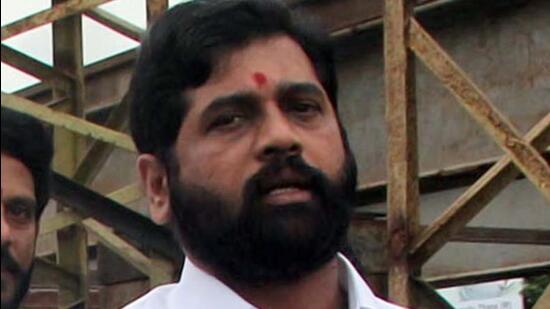
Their remarks are possibly to scare or discourage a current lot of rebels, but history may offer a different picture of dissidents. Shiv Sena is facing the biggest test since its inception, and, that too from a leader not known to have enjoyed the loyalty of such a large number of legislators.
While this is a big jolt to the Shiv Sena, it’s not the first time that the party has faced internal struggles. Similarly, those who left Sena and retained their aggression have done fairly well in their political career with other parties, unlike what Thackeray loyalists are claiming now.
Let’s look at Chhagan Bhujbal.
Before Bhujbal, Sena has seen many others clash with the top leadership of Bal Thackeray. Be it Hemchandra Gupte, a Sainik from Mahim, or Bandu Shingre – their rebellion did not create any impact on the party nor did they succeed in their career later.
However, Bhujbal had a fairly good career outside Sena. When he took away several Sena MLAs with him and joined the Congress in December 1991, the Shiv Sainiks became aggressive against him. Even as he was targeted by Thackeray senior, Bhujbal stood firm and eventually re-established himself as the leader in the opposition camp.
Bhujbal acquired many top positions in the state government, but what gained him the most notoriety was for being the man who got Bal Thackeray arrested concerning a case against the Shiv Sena’s mouthpiece Saamana regarding the 1992-93 riots.
He quit Congress when Sharad Pawar exited Congress and founded the NCP. Later, Bhujbal went on to become deputy chief minister as the Congress-NCP formed their first alliance government in 1999. He had to later resign following the Telgi scam, but he bounced back. He was made deputy chief minister again in 2009. With the emergence of Ajit Pawar, he was demoted as a minister. It was during his tenure as public works minister, that Bhujbal got embroiled in a series of allegations leading to his arrest. In 2019 when he came out of jail and once again became a minister – this time as minister for food and civil supply, and consumer affairs – as Sena, NCP and Congress joined hands and formed a government under Maha Vikas Aghadi (MVA).
After Bhujbal, another senior leader to quit Sena was Ganesh Naik, who has been dominating the politics of Navi Mumbai. In 1998, after having differences with the Sena chief, Naik floated his separate outfit and contested the 1999 assembly polls but lost. He then joined the NCP and returned to the state cabinet as a minister post-2004 elections. He remained a minister till 2014 and also retained his hold over Navi Mumbai’s civic body. However, as he saw no future with the NCP, Naik joined BJP in 2019 and is now hopeful of becoming a minister once again.
The other notable rebellion in Shiv Sena was of Narayan Rane, a 71-year-old Konkan leader. Post-2004 assembly elections, when the saffron combine suffered defeat, differences emerged between Rane and Uddhav Thackeray, who had by then started taking over the reins of the party. It led to Rane’s expulsion from Sena with a bunch of legislators, and he joined Congress. From 2005 to 2014 when Congress and NCP were in power in Maharashtra, Rane remained as a minister with his elder son an MP. In 2017 Rane quit Congress. In 2018, he declared support for BJP and was elected to the Rajya Sabha on the party’s nomination. In October 2019, he merged his party with the BJP. Considering his clouts in the coastal belt, BJP made him cabinet minister in the central government, which pushed him re-emergence on the political scene.
The third big blow to Sena came from within the family when Bal Thackeray’s nephew Raj announced his resignation as a primary member of the Shiv Sena in 2005. Raj later founded the Maharashtra Navnirman Sena (MNS), which he claimed would translate into reality the ‘dreams’ of Bal Thackeray “and also my dreams” — of a modern, progressive and stable Maharashtra.
He tasted political success in the Maharashtra Assembly election of 2009 when it won 13 seats in the 288-member Assembly. However, since then, the party has been on a downward spiral as it managed to win only one seat in the 2019 assembly elections. Raj on his part faces a tough political road ahead.
All these rebels faced severe opposition when they left the party. This time when Eknath Shinde rebelled with around 40 MLAs, the opposition from the party was quite subdued. Possibly, the Sena on its part has learnt to live with the dissent.


