
 E-Paper



NGT continues stay on Tapovan tree felling till April 6
NGT extends stay on tree felling in Nashik's Tapovan until April 6 amid protests over ecological concerns linked to Sadhugram development for Kumbh Mela.

 Prefer HTon Google


The western bench of the National Green Tribunal (NGT) has extended the stay on tree felling in Nashik’s Tapovan area until April 6. The order, uploaded on February 23, follows a recent hearing. The tribunal did not comment on the joint committee’s report during the proceedings.
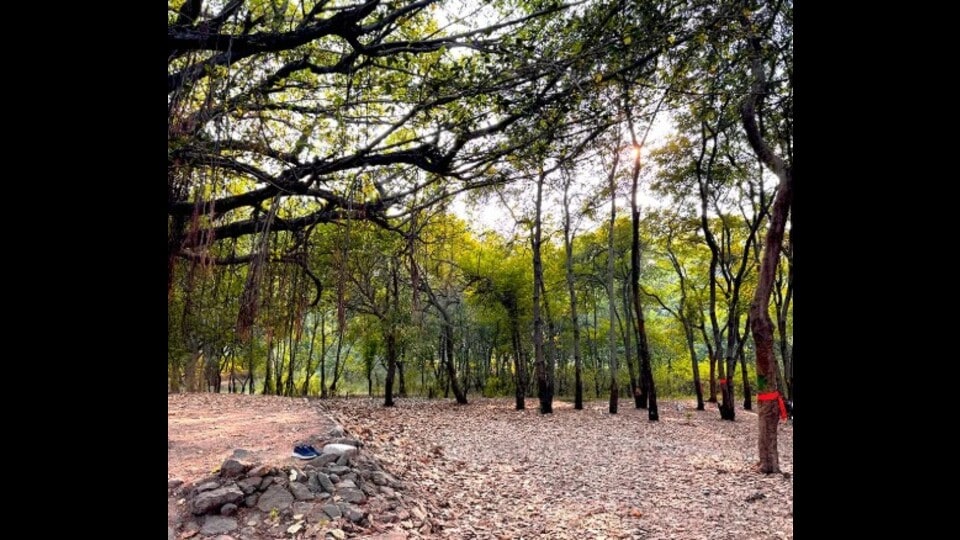
The case concerns large-scale tree cutting proposed for the development of Sadhugram in Tapovan, where temporary shelters are planned for sadhus arriving for the Simhastha Kumbh Mela between 2026 and 2027.
In November 2025, the Nashik Municipal Corporation (NMC) invited public suggestions and objections regarding the proposed clearing of significant green cover. The move sparked protests from residents and environmental activists over ecological impact and compliance with environmental norms.
In December, Pune-based advocate Shriram Pingle approached the NGT, alleging that the tree cutting violated mandatory environmental regulations. The tribunal immediately granted a stay on felling and constituted a joint committee to inspect the site and submit a report with recommendations.
Though initially expected in January, the committee filed its report on February 20. However, it was not circulated to all concerned parties, preventing them from filing responses. The tribunal noted that formal notices had not been issued to several respondents, including the State Urban Development Department, the chief conservator of forests, the Forest Department, and the Maharashtra State Tree Authority. The bench directed its registry to share the report with all parties and allowed four weeks for replies.
The committee found that the NMC identified 1,825 trees at the proposed site. Of these, about 1,575 obstruct the planned construction. The corporation proposed felling 1,229 trees, transplanting 17, pruning or trimming 289, and retaining 40. Major species earmarked for cutting include Kashid (552), Babul (470), and Nilgiri (45).
The report also notes that the NMC has initiated compensatory plantation under the Maharashtra (Urban Areas) Protection and Preservation of Trees Act, 1975, planning to plant 15,000 trees of 12–15 feet. Of these, 3,616 saplings have already been planted. Committee members visited three plantation sites on January 9 and February 11 and found the survival rate satisfactory.
The panel emphasised that the Tree Authority must take the final decision on the NMC’s application strictly following due procedure. It clearly stated that no tree felling should occur without formal permission from the authority and that all conditions must be fully observed.
The stay remains in effect, with the next hearing scheduled after respondents submit their replies within the four-week timeline. The tribunal will then review the report and submissions to determine the next steps.


