
 E-Paper



No abnormalities found in foetuses of Zika-infected pregnant women: PMC
According to officials, the anomaly scan reports of 22 out of these 32 women and the nuchal translucency (NT) scan of one woman are norma

 Prefer HTon Google


While Pune city has reported a Zika virus outbreak since June this year with over 73 Zika-infected cases including 32 pregnant women, Pune Municipal Corporation (PMC) health department has said that no abnormalities have been detected in the foetuses of the Zika-infected pregnant women.
According to officials, the anomaly scan reports of 22 out of these 32 women and the nuchal translucency (NT) scan of one woman are normal. The remaining nine pregnant women who are between 11 weeks’ and 34 weeks’ pregnant will also undergo tests to check birth defects if any, Dr Suryakant Devkar, assistant health officer of PMC, said.
According to the ministry of health and family welfare (MoHFW), Zika virus transmission can occur through infected mosquito bites, from mother to foetus, and during sexual transmission. All pregnant women residing in an area with ongoing Zika transmission should be tested for ZIKV disease. Asymptomatic pregnant women should be tested during the first antenatal visit or at the time of showing symptoms of ZIKV disease (whichever is earlier). If the initial test is negative, the pregnant mother should be tested at 28 weeks of gestation.
As per scientists of the Indian Council of Medical Research - National Institute of Virology (NIV), Pune, whole genome sequencing of the virus from the blood samples of Zika-infected patients from Erandwane in June revealed the virus to be of Asian strain or genotype.
Dr Rajesh Karyakarte, head of the microbiology department at B J Medical College, said that the Zika virus has two major lineages: Asian and African. These lineages have undergone substantial changes over the past 50 years. “Interestingly, before 2015, ZIKV infections were mainly limited to Africa and Asia, where symptoms were mild and not associated with serious pathology. However, the outbreak in Brazil in 2015 drew international attention to ZIKV due to its correlation with severe neurological impairments, including microcephaly and Guillain–Barré syndrome. Phylogenetic analyses show that the Asian lineage is responsible for recent epidemics,” Dr Karyakarte said.
All pregnant women should undergo two ultrasound examinations. The first ultrasound scan should be performed at 18 to 20 weeks and the second ultrasound scan at 28 to 30 weeks of gestation. Serial ultrasonography, if required, should be at the discretion of the treating gynaecologist and concerned radiologist, according to the MoHFW guidelines.
Dr Radhakishan Pawar, joint director of health services and state head for vector-borne disease control programme, emphasised that while the findings are positive, pregnant women should continue to take preventive measures against mosquito bites and seek regular prenatal care. The anomaly scan and NT scan are important for the early identification of abnormalities, if any, among the foetuses of Zika-infected expecting mothers. “The pregnancy of Zika-infected women will be closely monitored by the health department,” Dr Pawar said.
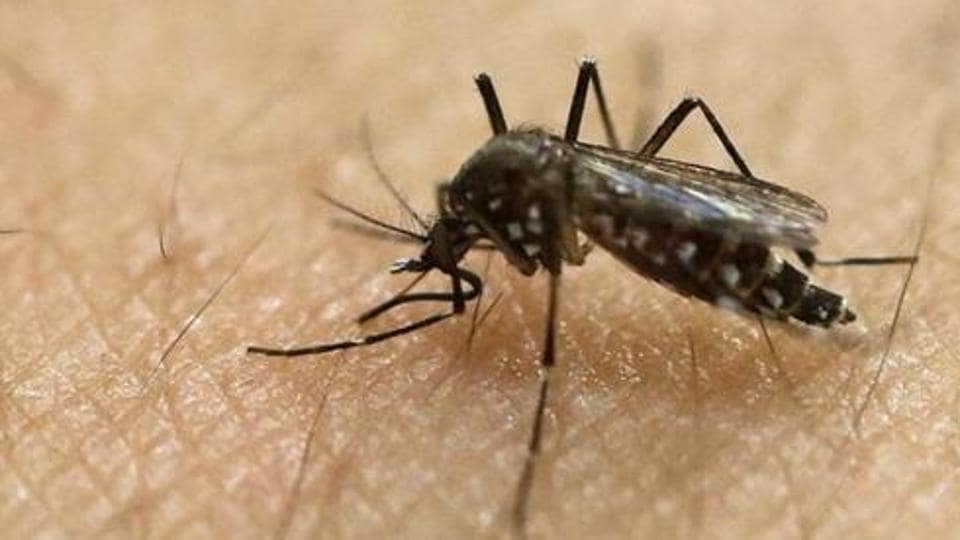
Zika virus is transmitted through the bite of an infected Aedes mosquito, known to transmit infections such as dengue and chikungunya. A majority of those infected with Zika either remain asymptomatic (up to 80%) or show mild symptoms of fever, rash, conjunctivitis, body ache, and joint pain. Zika virus can be passed from a person before their symptoms start, while they have symptoms, and after their symptoms end. Zika virus in pregnant women can cause congenital microcephaly, Guillain-Barre syndrome and other neurological complications, said officials.


