
 E-Paper



Scripting an endgame in the Russia-Ukraine war
Ukraine and its western partners can take a few concrete steps to make it harder for Putin to continue to underestimate Ukraine’s resilience

 Prefer HTon Google


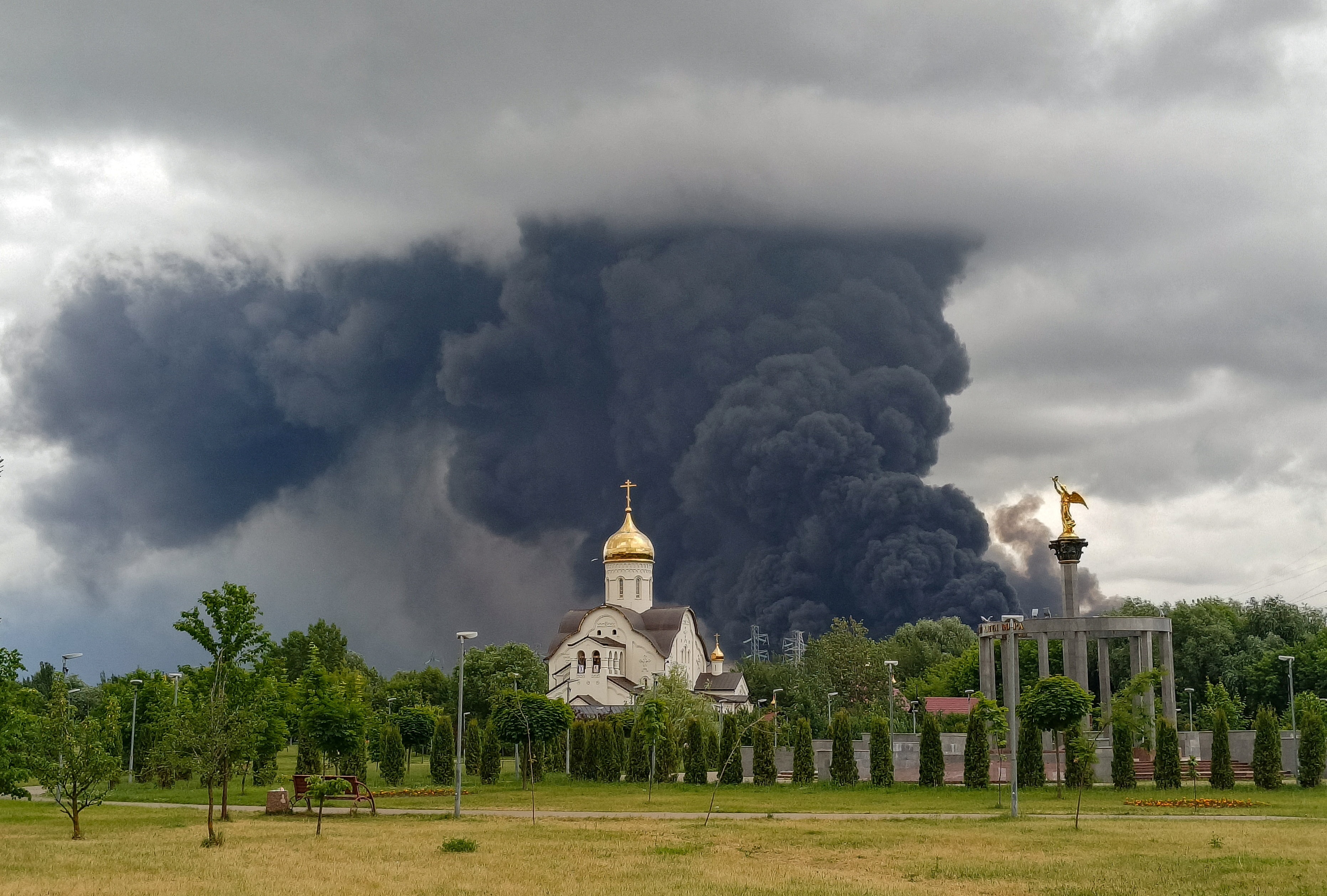
Russia has taken heavy losses over the last couple of months in its war with Ukraine. Russian advances in Donetsk and Luhansk have largely stalled and, in some cases, even reversed. Ukrainian drone attacks have degraded Russia’s naval capabilities in the Black Sea and caused an acute fuel crisis in Crimea. Similar drone attacks have reached St. Petersburg and Moscow, bringing the war home to Russia’s elite, while strikes on petroleum infrastructure across the country have created nationwide fuel shortages.
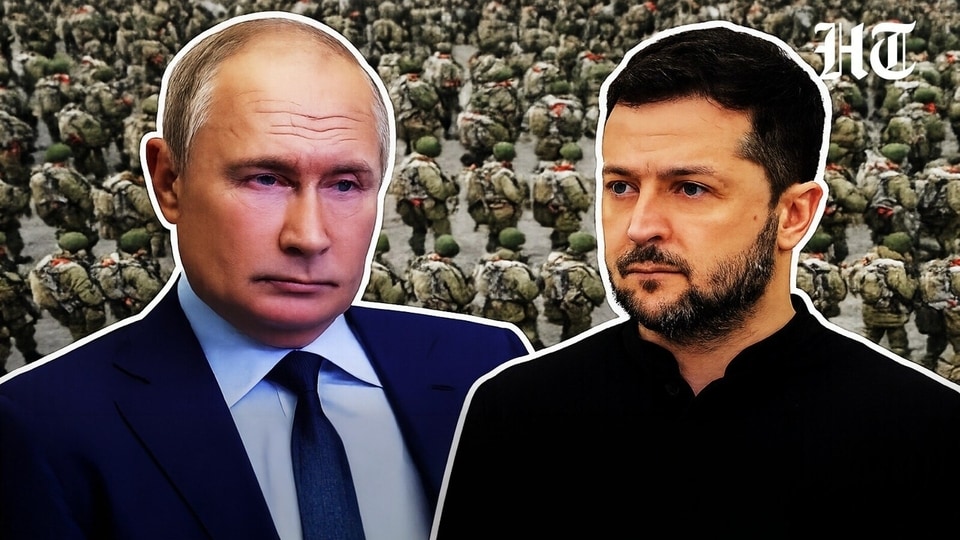
Given these major losses, why is Russian President Vladimir Putin so obdurate when faced with ending the war in Ukraine? His intransigence is puzzling for a few reasons. Increasing economic and psychological impacts on the Russian elite and citizenry could weaken his hold on power. States and leaders are typically more risk-averse when taking actions that change the status quo — such as seizing territory from a neighbour — than when defending it. The minor territorial gains that now seem realistic for Russia in Eastern Ukraine would have minimal strategic or economic benefit for Moscow.
ALSO READ | India in touch with Ukraine to ensure safety of 13 seafarers in Black Sea
Two factors combine to influence Putin’s decision-making. First, he is worried about the domestic political implications of ending the war without making notable territorial gains. Second, he believes that he can outlast Ukraine, eventually taking additional territory in the Donbas by force or through a negotiated settlement.
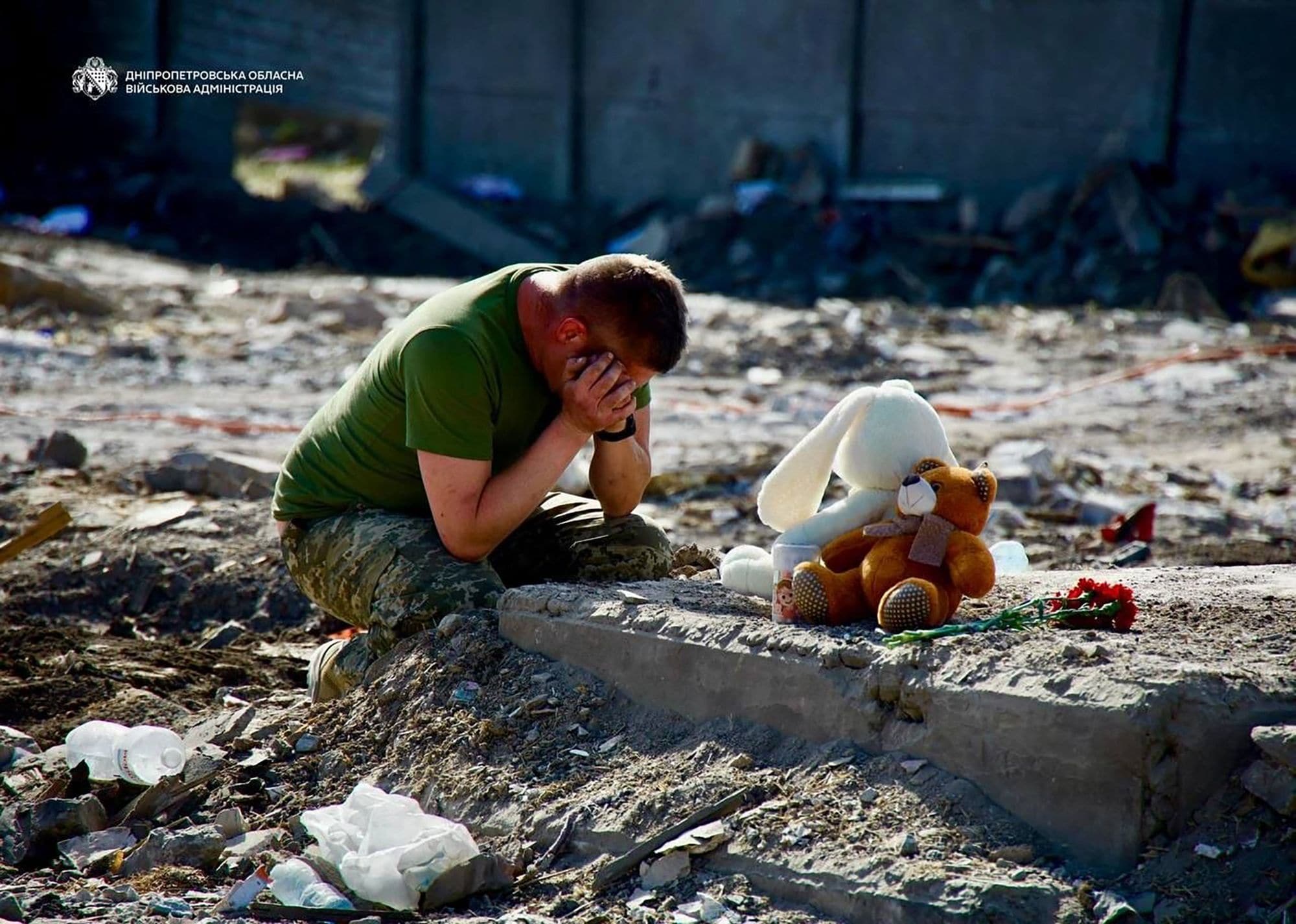
Ending the war without a way to claim victory poses two domestic threats to his regime. Ending the war could upset members of the military and security services, especially those who have fought in the war. Putin has already seen security forces challenge the regime due to failures in Ukraine with the Prigozhin mutiny in 2023. Additionally, an unadulterated failure could erode his regime’s legitimacy, breaking the foundations upon which it is built. Such a failure could lead to fractures in the country’s elite or make mass mobilisation against the regime easier. Either would weaken Putin’s grip on power.
ALSO READ | When two wars meet at lake: Ukraine's strike in Caspian Sea and the Iran-Russia angle
The second factor dissuading Putin from ending the war in Ukraine is that he believes Russia can outlast Ukraine. Even if Russia may not be able to accomplish its original war aims, the Kremlin likely believes that it can keep fighting long enough to either take the remainder of Donetsk and Luhansk by force or inflict enough pain on Ukraine to take them through a negotiated settlement.
How Russia is at an advantage
While Ukraine has enjoyed more recent military success than Russia, several factors exist that contribute to this line of thinking on Moscow’s part. First, Russia has a major population advantage over Ukraine and may think that it can absorb more battlefield losses and mobilise more forces to bring to bear on the battlefield.
Second, increasing global oil prices in the wake of the Strait of Hormuz’s closing — coupled with a growing willingness in several western countries to ease sanctions against Russian oil and gas to lower energy prices — should improve Russia’s economic standing and aid its war effort.
ALSO READ | Five things to know about Crimea, the Russian-annexed peninsula
Third, Ukrainian Patriot missile stores are fast depleting, and competition from the US, Israel and the Gulf States due to the Iran War is preventing them from being restocked. Even a recent US announcement hinting at a potential licensing deal that will allow Ukraine to produce Patriot systems indigenously would not have an operational impact for at least a year, and Franco-Italian efforts to boost SAMP/T production and exports may be too little, too late. Russia has adapted to this strategic reality by launching large ballistic missile barrages against Ukrainian population centres, knowing that Kyiv has limited means to intercept these attacks.

Finally, mixed signals from Washington likely bolster Russia’s belief that it can outlast Ukraine. President Donald Trump has shown a desire to end the war and has put greater pressure on Ukraine to accept concessions than on Russia, giving the Russians hope that they could gain territory in Eastern Ukraine through a negotiated settlement.
What does this mean for the prospects of ending the war?
The best way to bring Putin to the bargaining table is to change his calculation about his ability to outlast Ukraine. This may be easier said than done. Putin and Russian leaders have underestimated Ukrainian resolve and ability since they began planning for the full-scale invasion.
Ukraine and its western partners can take a few concrete steps to make it harder for Putin to continue to underestimate Ukraine’s resilience. First, continued drone strikes against the Russian military and military-supporting industry — including Russian energy infrastructure — would help Ukraine balance Russia’s population advantage, degrade Russian military capabilities, and prevent Russia from capitalising on potential economic gains from increasing oil prices.
Second, the US should reaffirm its commitment to supporting Ukraine. Some recent actions by the Trump administration — mainly Trump’s comments about allowing Ukraine to develop Patriot missiles — suggest that it may be more inclined to increase support than it was previously. However, the US needs to take tangible steps in the form of military aid to improve Ukraine’s battlefield circumstances and alter Russia’s strategic calculus.
Finally, the US and its European allies need to ramp up production of interceptors. Doing so would be important for both Ukraine and for their own strategic needs. The US has already begun increasing Patriot production, although this increase is likely insufficient to meet American, Ukrainian, Israeli, and Gulf States’ demands. France and Italy’s SAMP/T production boost is a good start for the Europeans, and Paris and Rome must ensure that new interceptors are produced and sent to Ukraine in a timely manner. If such concerted actions are taken, this sanguinary war may be brought to a close.
Sumit Ganguly is a senior fellow at the Hoover Institution at Stanford University. Spenser A Warren is a postdoctoral fellow in the International Security Program and Project on Managing the Atom at Harvard’s Belfer Center for Science and International Affairs. The views expressed are personal


