
 E-Paper



Outdated stormwater systems responsible for flooding in Pune
As multiple, intense spells of rain lashed the city Monday evening onwards, roads transformed into rivers and nullahs


With heavy rain since Monday evening once again inundating the city and bringing it to a standstill, top civic officials have been forced to acknowledge the inadequate carrying capacity of existing stormwater and drainage lines, and the need to replace them with systems having greater carrying capacity.
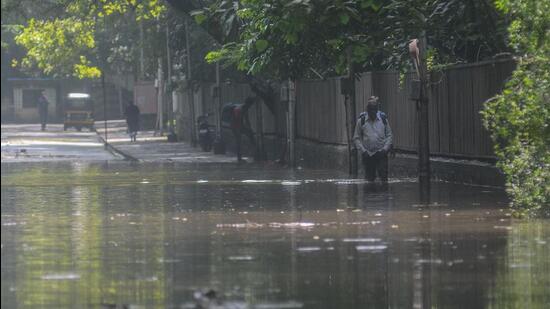
As multiple, intense spells of rain lashed the city Monday evening onwards, roads transformed into rivers and nullahs. Not only the central parts such as Deccan and Shivajinagar but also areas with better stormwater drains witnessed waterlogging.
Reacting to the flooding at several spots, municipal commissioner Vikram Kumar on Tuesday said, “While installing the stormwater lines, the administration considered the last 100 years’ data and took the average and maximum rainfall. While the stormwater lines are designed for 60 to 65 mm rainfall, Pune on Monday received 105 mm rainfall in 24 hours out of which, 81 mm was received in just two hours due to cloudburst. It’s a natural calamity and the Pune Municipal Corporation (PMC) cannot be completely blamed for it.”
While the existing stormwater and drainage lines are located mainly in the central parts of Pune, they are conspicuous by their absence in the suburbs. According to data shared by the PMC, Pune receives an average rainfall of 700 mm but this year during the monsoon, Pune received more than 1,000 mm rain. The rainy season began in June with no waterlogging till September. With heavy rainfall in October however, stormwater lines were not able to drain the water immediately.
Asked about replacing the existing systems with systems having greater capacity, the commissioner said, “It is true that while laying the new stormwater lines, the PMC will need to consider the maximum rainfall rather than the previous average. If needed, the PMC will have to increase the stormwater capacity of the existing lines.”
While the rain has been on the higher side, civic activists and environmentalists are blaming cement-concrete roads for waterlogging.
To this, the commissioner replied, “It is not completely true. While building cement-concrete roads, stormwater lines get designed along with the roads and have the capacity to drain water. On Monday due to heavy rain, plastic and mud got mixed with the water and choked the manholes. It further brought down the capacity to drain water.”
The commissioner said that the PMC officers and staff came out on the roads since Monday night and cleared the manholes. They drained the water from the inundated areas as well, he said.


