
 E-Paper



Over 16K cattle ear-tagged by animal husbandry dept in January
The small subcutaneous chip contains the concerning animal’s profile like its date of birth, gender, breed, lactation cycle, the amount of milk it gives, the vaccination it requires and has been given, the owner’s name and address, etc


To keep track of the cattle population in Maharashtra, the state government has started the ear-tagging project. As per the latest data, at least 16,242 cattle were ear-tagged by the animal husbandry department this year till January 27.
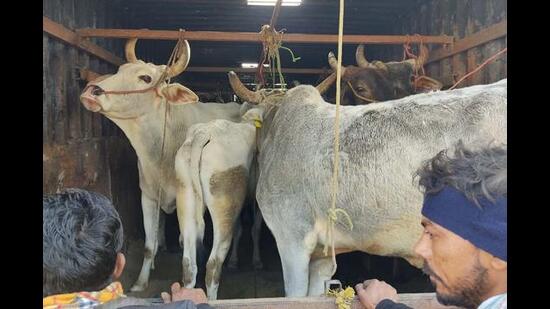
Ear-tag is a chip-based twelve-digit unique identification number. The small subcutaneous chip contains the concerning animal’s profile like its date of birth, gender, breed, lactation cycle, the amount of milk it gives, the vaccination it requires and has been given, the owner’s name and address, etc.
Although the project started in 2016, it got a boost when on January 5 the state government announced that milk producers in the state would be given a subsidy of ₹5/- per litre for cow milk. The subsidy will be provided only for those cattle that have been ear-tagged and are registered on the ‘India livestock portal’.
As per officials, through this, health records can be maintained as well as it will also help protect the illegal trade of animals.
“We urge the livestock owners who have not yet tagged their livestock or have not been registered, to contact the nearest veterinary clinic and get their livestock registered,” said Ankush Parihar, deputy commissioner, district animal husbandry department, Pune.
Apart from the registration of the cattle, the department also made other changes like owner registration, ownership transfer records, name changes, and some other details that have been updated on the livestock portal. Considering the rising demand, the department also provided 1, 42,000 additional tags to all the veterinary clinics in the district.


