
 E-Paper



PMC proposes new construction debris processing plant in western Pune
Pune Municipal Corporation plans to set up a debris waste processing plant in the western part of the city to manage the increasing construction and demolition waste. The proposed plant will have a capacity of 200 tonnes per day and cover several areas in PMC limits. The plant will be established on a Design-Build-Finance-Operate-Transfer (DBFOT) or Public Private Partnership (PPP) model and will charge a fee for the service. PMC has put a ban on dumping debris in open spaces, riverbeds, nullahs and quarries, and a fine of ?25,000 is levied if contractors are found dumping debris.

 Prefer HTon Google


With increasing construction and demolition waste in merged villages, Pune Municipal Corporation (PMC) has proposed to set up a debris waste processing plant in the western part of the city.
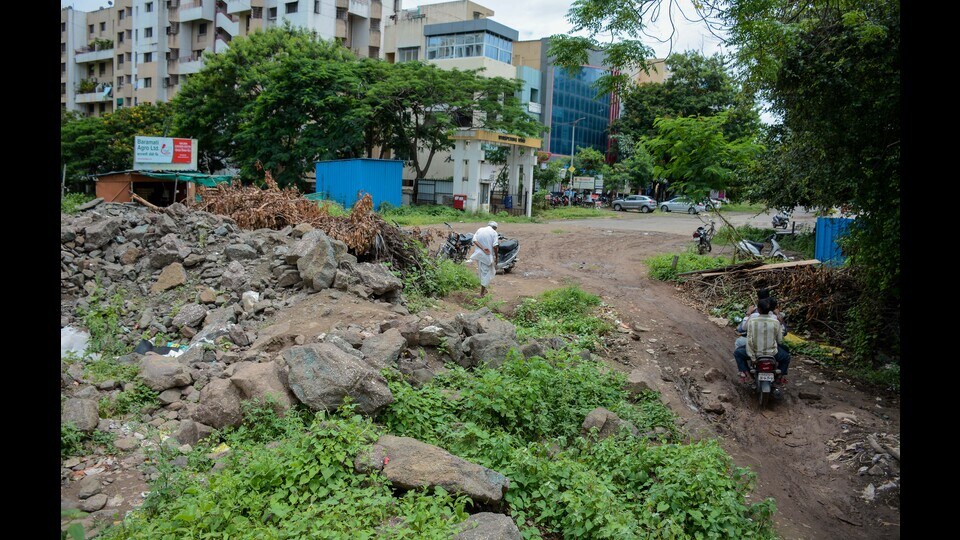
Construction debris is often seen dumped around roadside, or the riverbed. The city currently generates over 400-450 tonnes of construction and demolition debris per month. However, PMC has only a 250 tonnes per day (TDP) processing plant in the Wagholi, which was constructed in 2020.
PMC solid waste department will either set up the plant on Design-Build-Finance-Operate-Transfer (DBFOT) or Public Private Partnership (PPP) model.
According to PMC officials, this new processing plant will cover Katraj, Wadgaon Budruk, Sinhagad Road, Karve Road, Kothrud, Baner, Balewadi, Pashan, Aundh and 13 out of the 23 merged villages in PMC limits.
Rajendra Tidake, junior engineer, solid waste Management department said,“We have floated a tender to set up a construction and demolition waste processing and management plant having capacity of 200 tonnes per day. Currently, we only have one plant in Wagholi where contractors process waste. However, it is not possible to dump the entire city’s debris waste in one plant as it has limited capacity. Also, it is quite a distance for other areas to transport the waste from west to east Pune.”
“There is no construction activity in the monsoon period. In the new proposed plant, the owner will have to do his own set up and PMC will pay for operation and maintenance. Corporation will transport and hand it over the debris at the plant for processing and PMC will charge a fee for the service. Currently we charge ₹25 per metric tonnes per kilometre as transportation charges.” he added.
Corporation has put a ban on dumping debris in open space, riverbeds, nullahs and quarries. A fine of ₹25,000 is levied if contractors are found dumping debris.
Ranjit Naiknavare, President, CREDAI Pune Metro said, “The current construction debris plant at Wagholi is far from the city. A lot of redevelopment projects are underway in the main city and builders face difficulty while transporting debris. The builders themselves recycle the construction debris. For instance, we send steel to the steel companies for recycling and use other good quality debris for backfilling in the excavated areas. The remaining debris is sent to the debris plant. A debris plant in the western side of the city will definitely benefit us as there are a lot of projects that are underway in the area. We appreciate this as it will be geographically convenient if it is at a nearer to construction location.”
Kapil Gandhi, Managing Director, Sigma One Universal said, “Pune is rapidly developing and solid waste and construction waste management is the need of the hour. This new proposed plant will benefit everyone including PMC and builders and also help in the sustainable growth of the city.”


