
 E-Paper



Pune RTO to crack down on private vehicle inspections
Since it is summer, incidents of vehicles catching fire are more frequent. However, this is the first time that a fire incident led to passenger fatalities


Following the incident on Wednesday in which a private passenger vehicle (tempo traveller) carrying office employees in Hinjewadi caught fire resulting in the deaths of four workers due to severe burns, the Pune Regional Transport Office (RTO) will hold a meeting with private passenger transport organisations in Pune this week wherein strict guidelines regarding vehicle fitness checks and maintenance will be issued.
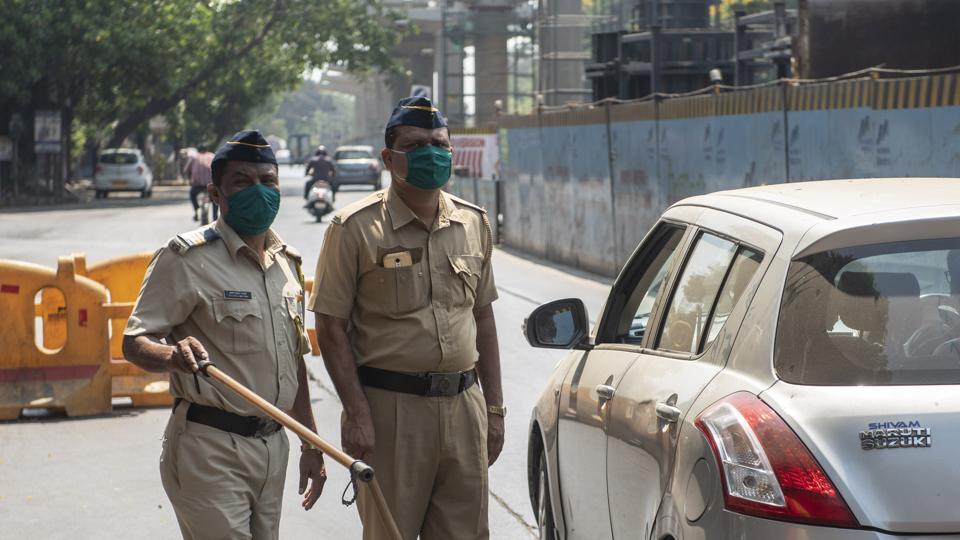
Since it is summer, incidents of vehicles catching fire are more frequent. However, this is the first time that a fire incident led to passenger fatalities. The incident has made waves in the state assembly as well following which the Pune RTO has taken a tough stance and will be cracking down on all private vehicles from the coming week.
Additionally, special squads comprising RTO inspectors will carry out rigorous checks with respect to vehicle fitness, insurance, PUC (Pollution under Control), and other necessary documents.
Swapnil Bhosale, deputy regional transport officer, Pune, said, “The fire incident in the Hinjewadi area was tragic. In light of this incident, a special campaign will be launched in the Pune region to conduct rigorous checks on the fitness, insurance, PUC, and other documents of private passenger vehicles. A meeting with private passenger transport organisations will be held soon, where they will be given strict instructions to maintain vehicle fitness and timely repairs.”
As per the information shared by the Pune RTO, private bus operators have been advised not to operate their vehicles on the roads without an RTO permit. Timely vehicle fitness inspections must be conducted, and fitness certificates must be renewed within the stipulated period. Operators should only transport the number of passengers allowed under the RTO permit. They should not overload the vehicles with more than the prescribed limit of passengers. Modifications to the vehicle, such as extending the back (overhanging), should not be made. When undertaking long journeys, vehicles should have two drivers, both in uniform. First-aid kits must be available in the vehicle.
“The vehicle should have a fire extinguisher, and drivers should receive proper training on how to use it. Operators must not charge excess fare from passengers and private operators should charge a maximum of 1.5 times the fare set by the MSRTC. Vehicles should be maintained regularly, and insurance and road tax should be paid on time. Vehicles must have emergency exits on all sides, and a hammer for breaking windows should be available,” said Bhosale.
Rajendra Masale, a private bus operator, said, “We understand the importance of vehicle safety and are fully committed to ensuring the fitness of our vehicles. The recent fire incident in Hinjewadi is a wake-up call for all of us. We will be following the RTO’s guidelines rigorously, ensuring timely maintenance, fitness checks, and driver training to prevent such tragic accidents in the future.”
While Neelam Deshmukh, Pune private transport vehicles’ association member, said, “While the fire incident is tragic, it is crucial that the RTO’s crackdown is fair and effective. We are ready to cooperate with the authorities to ensure that all safety standards are met. However, it is also important that the RTO works closely with us to address challenges related to vehicle maintenance and inspections, especially in the summer months when such incidents are more likely to happen.”


