
 E-Paper



Pune suburbs under AI-based CCTV watch in safety push by police
As part of the plan, 609 cameras will be dedicated to monitoring hill and ghat regions, including remote areas like Bopdev Ghat under a separate ₹82 crore allocation. The initiative will also extend coverage to rapidly expanding suburbs like Mohammadwadi, Undri, NIBM Road and Kondhwa.

 Prefer HTon Google


Pune: The Information Technology (IT) department of Pune Police has ramped up the mapping of internal roads and suburban areas for fixing AI-based CCTV cameras as part of the broader ‘Safe City Project ’ led by commissioner Amitesh Kumar. Under the initiative, a total of 2,886 new CCTV cameras will be installed across the city in 2025, backed by a budget of ₹438.22 crore.
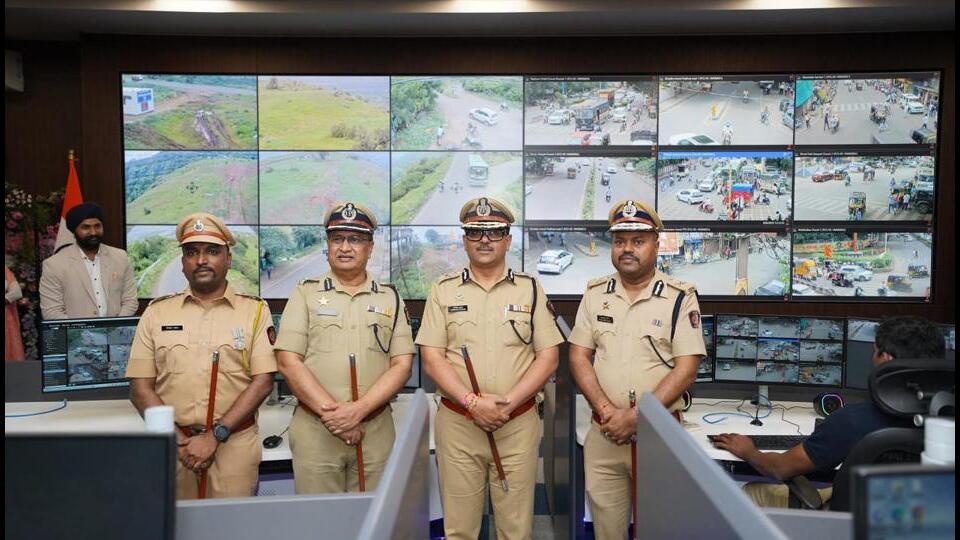
As part of the plan, 609 cameras will be dedicated to monitoring hill and ghat regions, including remote areas like Bopdev Ghat under a separate ₹82 crore allocation. The initiative will also extend coverage to rapidly expanding suburbs like Mohammadwadi, Undri, NIBM Road and Kondhwa, which are grappling with growing traffic volumes, safety concerns, and infrastructure stress.
According to an IT department official, the project aims to enhance public safety and crime deterrence using a robust network of AI-enabled surveillance systems across the city, with a strong emphasis on rapidly urbanising suburbs like Mohammadwadi, NIBM Annexe, Undri, Kharadi, Wagholi, Pisoli, Handewadi, Mundhwa and all suburbs.
The project will be executed in two phases. Track 1 includes the operation and maintenance of the existing camera infrastructure for six years. Track 2 focuses on deploying new, high-tech surveillance infrastructure within 12 months followed by five years of maintenance. The coverage is not limited to city centres alone, but is being strategically extended into suburban residential belts, internal roads, chowks, and traffic hotspots.
A standout feature is the deployment of AI-powered cameras, equipped with Automatic Number Plate Recognition (ANPR), Vehicle Over-speed Detection System (VDS), Facial Recognition System (FRS), and real-time tracking via drones and mobile surveillance vans.
“These tools will empower law enforcement agencies to identify criminal activity, manage traffic violations, and respond swiftly to emergencies across the city and its outskirts,” ACP Vivek Pawar said.
A significant portion of the project also focuses on upgrading the Command-and-Control Centre at the Pune Police headquarters. The integration of new software, data centres, and advanced analytics will allow for 24/7 real-time monitoring, transforming how civic authorities handle law and order challenges in both the core city and peripheral zones.
“The new AI-backed network is expected to act as a deterrent to crime in suburbs, many of which have witnessed rising incidents of theft, road rage, and vandalism,” said ACP Pawar.
Residents of Mohammadwadi, Undri, Kharadi, Wagholi, Mundhwa and Handewadi, areas that form Pune’s eastern and southern growth corridors - have welcomed the move. These localities, despite housing IT hubs and premium real estate, have remained vulnerable due to patchy infrastructure and limited police presence. “ By bridging the urban-suburban security gap, the Safe City Project is poised to make Pune a model for smart policing and citizen safety,” Pawar said.
Sanjeev Patil, director of Wagholi Housing Societies Association (WHSA), said “Wagholi has grown rapidly, but infrastructure and policing have not kept pace. It’s high time the entire locality is brought under CCTV surveillance. The AI-enabled cameras being installed across the suburb have great potential to deter crime.”
Thanking Pune Police for the initiative, Mohammadwadi-Undri Residents Welfare Development Foundation director, Sunil Aiyer, said, “Rapid urbanisation created a ‘floating population’ of temporary labour in this belt. Consequently, law and order and safety became major concerns for the citizens. Hence, we hope the project is not mere lip service and we get to see results soon.”


