
 E-Paper



Skilled manpower crucial for water conservation: Karmalkar
Nitin Karmalkar, the former vice-chancellor of Savitribai Phule Pune University (SPPU), emphasised the importance of sustained efforts in the field of water conservation


Pune
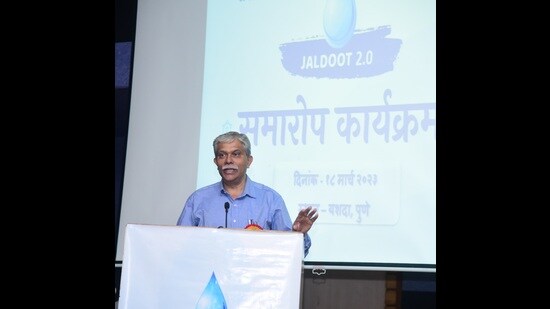
Nitin Karmalkar, the former vice-chancellor of Savitribai Phule Pune University (SPPU), emphasised the importance of sustained efforts in the field of water conservation.
He was speaking at the end of ‘Jaldoot 2.0,’ a three-day pilot initiative organised by the non-governmental organisation, Sevavardhini.
“Though water is a subject very close to our hearts, whenever we discuss water management and water conservation, we tend to forget the methods and solutions harnessed by our earlier generations. We will need skilled and trained manpower for systematic water conservation,” Dr Karmalkar said.
Among those present during the event were Sevavardhii secretary Somdatta Patwardhan, Chief Executive Officer (CEO) Pramod Kulkarni, deputy director of YASHADA Dr Mallinath Kalshetti, and director of YASHADA’s water literacy centre, Anand Pusawale.
Jaldoot is a Sevavardhini pilot project in the field of water conservation. For the past 13 years, the organisation has been actively involved in many Jaldoot-related projects in 25 villages across Maharashtra.
The ceremony officially began with Jal Poojan. During the event, a book titled ‘Jaldoot- Pilgrim of Sustained Development’ was released.
“It is necessary to teach the next generation about water management and conservation systems like the 2500-year-old one that works at Dholavira,” Karmalkar said.
“It is critical to educate the next generation about these systems and to maintain a consistent effort in this field. I am pleased to learn that Sevavardhini has recognised the need of the hour and is working to develop field volunteers,” he added.
Karmalkar assured the participants that the new education policy will include Jaldoot, water management, and water conservation.
Talking on the occasion, Pramod Kulkarni said, “Sevavardhini’s Jaldoot project focuses on the importance of consistent access to safe drinking water and implements programmes to support work at the local level. We also provide volunteers with the necessary training to serve as Jaldoot. As part of this process, inclusive water committees in villages have begun to work, with commendable participation from Jaldoot volunteers.”
Dr Kalshetti related his experiences at the government level and underlined the importance of capacity building in social work. Anand Pusawale said no social initiative can sustain without people’s participation.
“We helped Sevavardhini considering the need for training that will help the gap between Bharat and India. We observed in this project the spirit of helping people from other neighbouring villages enter the development stream while engaging in the development of their village,” said Kabir Gaikwad, head of corporate Human Resources of Atlas Copco - the company that has extended support to the Jal Doot project.


