
 E-Paper



State to revamp panel monitoring hysterectomies in Beed amid rising concerns
The issue has gained attention amid allegations that some women sugarcane workers are being encouraged or pressured into undergoing hysterectomies to avoid menstrual-related absenteeism during the harvesting season.

 Prefer HTon Google


Pune: Amid growing concern over a sharp rise in hysterectomies among women, particularly sugarcane workers, in Beed district, the Maharashtra public health department has decided to restructure the committee monitoring such procedures and introduce mandatory quarterly reviews to assess their medical necessity, said health officials on Saturday.
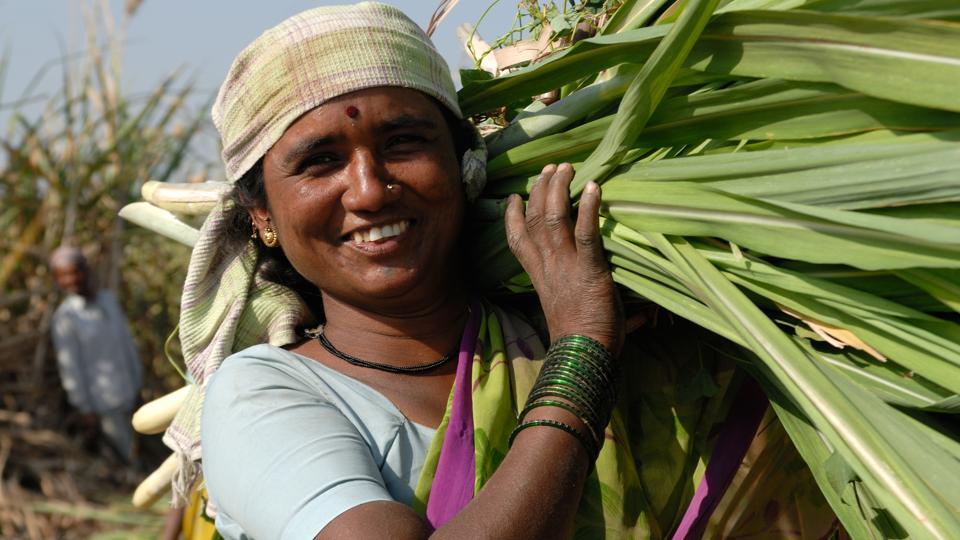
According to health department data, 1,310 women underwent hysterectomies in Beed in 2025 alone, including 113 sugarcane women workers. This includes eight women aged 35 years or below. Since 2019, at least 362 sugarcane workers in the district have undergone hysterectomies, with 2025 recording the highest number so far.
The issue has gained attention amid allegations that some women sugarcane workers are being encouraged or pressured into undergoing hysterectomies to avoid menstrual-related absenteeism during the harvesting season.
While the health department has not officially confirmed coercion, they have flagged the need for tighter monitoring of hysterectomies in the district. Health authorities have attributed the higher incidence of hysterectomies among sugarcane workers to multiple factors, including poor menstrual hygiene, delayed gynaecological care, social taboos around menstruation, and the physically strenuous nature of their work. Activists, however, point to economic vulnerability and lack of health awareness as key drivers.
Officials said the new revamped committee will meet every three months to scrutinise cases, examine whether surgeries were medically justified, and flag irregularities. A proposal seeking state government approval for the restructuring is expected to be submitted shortly, they said.
Dr Sandeep Sangale, joint director, State Family Welfare Bureau, said, the decision has been taken due to concerns being raised over the unusually high number of hysterectomies among women engaged in sugarcane cutting, a physically demanding and seasonal occupation. “The objective is to ensure that hysterectomies are performed strictly on medical grounds and not due to social, economic or workplace pressures. A proposal regarding the same will be submitted to the government,”he said.
Parallely, the department has recently rolled out the Aarogya Sathi initiative in Beed, under which one woman from each group of sugarcane workers is trained to provide basic first aid and health support during medical emergencies. The programme aims to reduce out-of-pocket medical expenses and improve early intervention.
Dr Ulhas Gandhal, district health officer, Beed, said, “Under the Aarogya Sathi project, one woman from each labour group is trained in basic first aid and provided a first-aid kit along with a training booklet. This helps manage common ailments like fever, diarrhoea and other health issues at the worksite itself and reduces dependence on private treatment.”
He also said that if medicines are exhausted, supplies are replenished through sub-centres or primary health centres to ensure continuity of care. “In case of any advanced healthcare services, they are referred to nearby public healthcare facilities and provided free treatment,” Dr Gandhal added.
A large number of sugarcane workers migrate from Beed between August and October. To address their health needs, the district administration has appointed coordination officers at the taluka and PHC levels, organises special health camps during the migration period, and issues health cards to workers. Women are also counselled on nutrition, menstrual hygiene, family planning and the risks of unnecessary hysterectomies.
However, for hysterectomy procedures, the administration has made prior approval from the district civil surgeon mandatory. “Strengthening primary care and preventive services is crucial. Monitoring alone is not enough unless healthcare reaches women before drastic steps like hysterectomy are considered,” said a senior health official on request of anonymity.


