
 E-Paper



Surge in bronchiolitis cases due to RSV infection in babies, children in Pune
Pune doctors are reporting a sudden uptick in the number of bronchiolitis cases caused by Respiratory Syncytial Virus (RSV) infection in children


PUNE: Amid fears of a third wave of Covid-19, city doctors are now reporting a sudden uptick in the number of Bronchiolitis cases caused by Respiratory Syncytial Virus (RSV) infection in children.
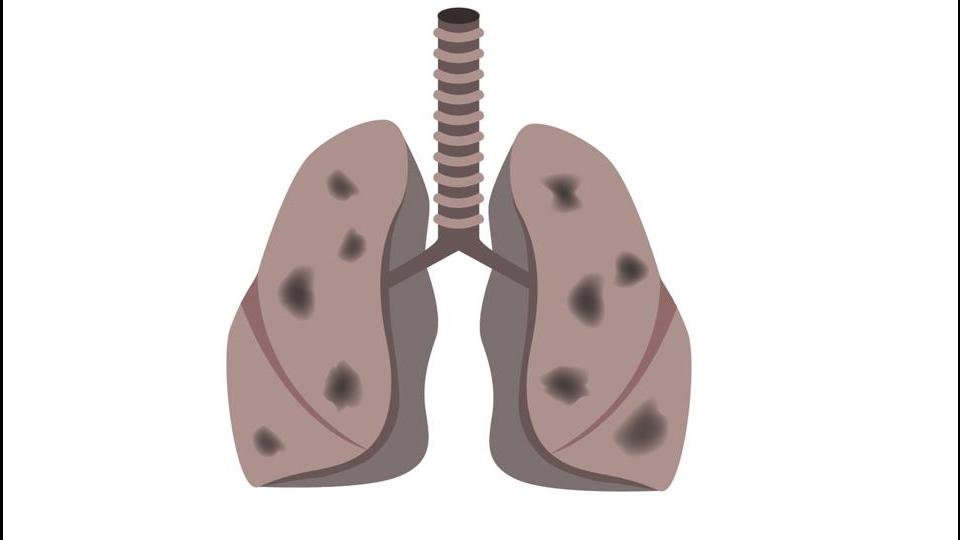
While a spike in this viral infection is usually due to seasonal change such as the rainy season being on its way out as the winter approaches, this year, both the number of cases and the hospitalisation period have gone up. The number of children with bad cough, cold and fever has gone up. Upon investigation, they test negative for Covid-19 but test positive for viruses such as RSV or Para influenza which lead to Bronchiolitis. The respiratory tract infection is taking a toll on an increasing number of children.
Dr Tushar Parikh, consultant neonatologist and paediatrician, Motherhood hospital, said, “Bronchiolitis is a lung infection seen in infants and young children in the age group of zero to two years. It leads to inflammation, swelling, and congestion in the small airways (bronchioles) of the lung, and is commonly seen during winters due to cold weather. This condition causes breathing problems. Premature babies discharged from the hospital are more severely affected as their lungs are immature.”
Dr Parikh said that most Bronchiolitis cases are due to RSV. This virus causes Bronchiolitis, which spreads through the air when one coughs, sneezes or shakes hands. “Germs are present on hands, toys, faucets, door knobs, tissues, and other surfaces and are contagious for several days or even weeks. Infected children complain of symptoms such as wheezing, cold, rapid breathing, dry cough, congested or runny nose, poor feeding, irritability, tiredness, fever, sneezing, and headaches for up to a week. I have treated around 100 children with this condition in the last two to three months,” Dr Parikh said.
“Infants and children may be at the risk of Bronchiolitis as their lungs and immune systems are weak. Other factors like pre-term birth, underlying lung conditions, lack of breastfeeding, second-hand smoke, spending a lot of time in crowded environments, and lack of hygiene can also be the culprits. Not treating children at the right time can lead to low SPO2 levels, dehydration, hospital admissions, viral pneumonia and respiratory failure. Moreover, children with RSV will be susceptible to Covid-19,” Dr Parikh added.
Dr Pradeep Suryavanshi, a paediatrician who works as a consultant with three more hospitals, said, “Every day, I am seeing about six to 10 severe cases of Bronchiolitis that need admission and in addition, we have about 20 to 25 cases of RSV plus influenza and daily viral infections. Though we get cases of Influenza and viral infections every year, the time taken for recovery is longer this year, with children requiring five to 10 days to recover, up from the earlier three to five days. However I must also say that this pattern is not specific to Pune only and doctors practising across the state are reporting a spike. The most common incidence is among babies who are less than one year old, who are also pre-term and have lower immunity. We are yet to understand what has changed this year. However, we cannot link it to Covid-19 because we do test the infants and they test negative for Covid-19.”
Dr Pradeep Alhate, paediatrician, Apollo Spectra hospital, said, “Our hospital too is reporting a spike in the number of children diagnosed with Bronchiolitis. It may start as a common cold but some may even get Cyanosis. Intercostal or Costophrenic Recession is an alarming sign that needs hospitalisation. Symptoms of RSV infection overlap with those of Covid-19. Hence, proper diagnosis is the key. Do not give any over-the-counter medication to the baby as the treating doctor has to decide the line of treatment, considering there is no vaccine to tackle this condition. Take precautions like avoid kissing the baby or shaking the baby’s hands, wear a mask near the baby, keep the baby away from sick people, breastfeed the baby, and keep the baby hydrated with adequate fluids.”


