
 E-Paper



Ten years later, doctors see more Chikungunya cases with severe complications
There are cases of Chikungunya with Encephalitis, Meningoencephalitis, Myocarditis, Gastroenteritis, kidney injury, sepsis and Guillan--Barré syndrome, doctors said

 Prefer HTon Google


During the Chikungunya outbreak in Alandi a decade ago, there were very few patients with severe complications. This year however, not only has the number of Chikungunya cases surpassed the number of Dengue cases, the number of Chikungunya cases with severe complications involving vital organs has also increased. There are cases of Chikungunya with Encephalitis, Meningoencephalitis, Myocarditis, Gastroenteritis, kidney injury, sepsis and Guillan--Barré syndrome, doctors said.
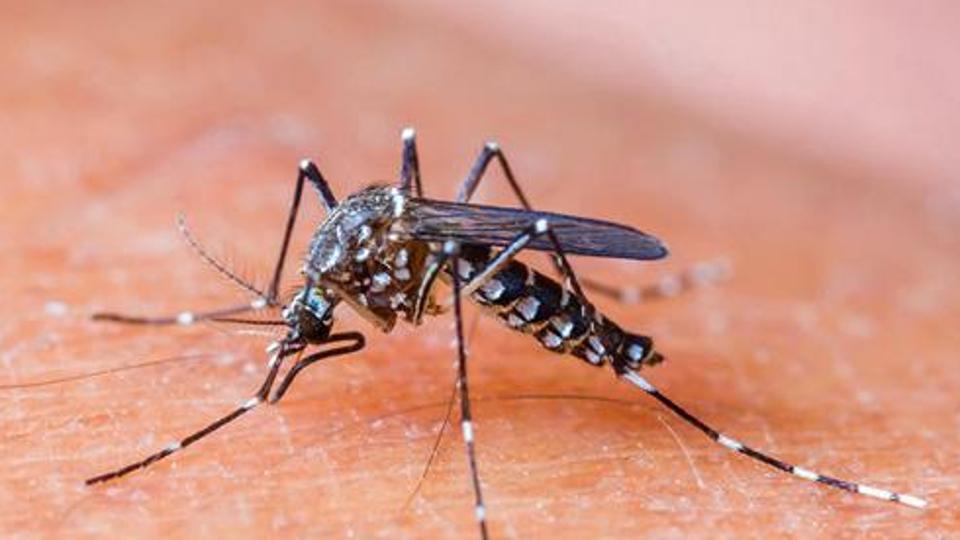
Chikungunya is a viral infection transmitted by mosquitoes. The symptoms include fever, muscle pain, headache and fatigue, and rash may also occur. The treatment provided is symptomatic. However, severe complications of Chikungunya in newborns and the elderly indicate that there is a mutation in the virus, experts said.
Dr Ameet Dravid, infectious diseases expert at Noble Hospital, said, “We have come across more than 15 such patients and most of them had Encephalitis. Patients initially come with Chikungunya symptoms like fever, joint pain and rash. Later in the second week, the inflammation reaches the vital organs like the brain and patients start complaining of weakness, drowsiness, disorientation, inability to walk and urinary incontinence among others. The mortality in such cases is high and the treatment too is costly,” Dr Dravid said.
“We have sent samples of these patients to the National Institute of Virology (NIV) for testing. This will help us understand if there is any virus mutation or new strain of Chikungunya virus in circulation,” Dr Dravid said.
Dr Prachee Sathe, intensivist and intensive care unit (ICU) in-charge at Ruby Hall Clinic, said, “We never thought that Chikungunya virus had a lot of systemic manifestation. This year, we have come across more than eight Chikungunya cases with Encephalopathy among others. Most of the patients are elderly and come unconscious or drowsy. There are four such patients currently admitted in the ICU,” Dr Sathe said.
Dr Pradeep Suryawanshi, director and head of department, Neonatology and Paediatrics at Sahyadri Hospitals, informed that recently, a six-day-old infant was diagnosed with Chikungunya with brain infection. “The Chikungunya infection in this newborn led to a range of serious complications, including liver dysfunction, issues with blood coagulation, and respiratory difficulties. The baby was admitted to the ICU for 17 days and was on respiratory support to manage breathing difficulties and was given intravenous immunoglobulins to reduce the inflammation that had spread throughout the body. Comprehensive and timely diagnostic evaluation helped save the baby,” Dr Suryawanshi said.
Dr Amitav Banerjee, professor emeritus, Epidemiology department, D Y Patil Medical College, said that any viral infection affects all organs as it spreads all over and the inflammation can be found everywhere. “There are no reports of deaths that have occurred due to Chikungunya-induced Brain Encephalitis. Chikungunya can cause Encephalitis and viruses are known to evolve and mutate with time. Severe cases of Chikungunya were reported in Pune around a decade ago during an outbreak in Alandi. However, there is a need for more studies to find out the reason behind this new trend,” Dr Banerjee said.
Dr Rajesh Dighe, assistant health officer of the Pune Municipal Corporation (PMC), said, “There has been a surge in Chikungunya and Dengue cases in the city and citizens should take preventive measures. In case of any disease, if a large number of people is exposed to the virus, around five per cent of the vulnerable population will be at risk. Complications can be reported in the high-risk category and the elderly population. However, no death due to Chikungunya has been reported in the city,” Dr Dighe said.


