
 E-Paper



The other Baramati model not much spoken about
While Baramati tehsil is often cited as role model for development, the picture in other regions contrast with the Pawar family’s native place as many areas under the constituency face problems ranging from drought, unemployment and poor infrastructure

 Prefer HTon Google


Pune: Speaking to the media minutes before filing her nomination as the NCP (SCP) candidate for Lok Sabha polls from Baramati parliamentary seat on Thursday, Supriya Sule said, “Baramati is a role model of development and the report card she has published speaks itself for her work.”
The three-term MP was responding to a question on her cousin Ajit Pawar’s allegations that it was he who brought most of the development projects in Baramati.
Located around 110 kilometres from Pune, Baramati has for years been a cynosure of surrounding areas with industries, infrastructure and network of other institutions offering jobs and education.
While Baramati tehsil is often cited as role model for development, the picture in other regions contrast with the Pawar family’s native place as many areas under the constituency face problems ranging from drought, unemployment and poor infrastructure.
“As an MP, my priority will be to further advance Baramati’s development and also ensure that places like Bhor, Velhe and Purandar are also developed,” said Sunetra Pawar, the NCP candidate locked in an intense battle against Sule this time.
The Baramati Lok Sabha seat is spread over nine tehsils and comprises six assembly segments, including Daund, Indapur, Purandar, Bhor, Khadakwasla and Baramati.
Among these six assembly constituencies, Indapur and Baramati are well developed and irrigated, unlike the rest of the regions.
Like the Khadakwasla region, an urban part on the south of Pune city. Most of the areas under it merged under the Pune Municipal Corporation but lacks basic infrastructure amenities such as proper roads, garbage disposal management, inadequate water supply and sewage problems.
Sule has in the past attempted to raise civic issues faced by areas such as Hinjewadi, Phursungi, Uruli, Katraj, Dhankawadi and Warje under Khadakwasla. She held multiple meetings with Pune municipal commissioner, but the issues have not been solved.
Many local leaders from the opposition camp have in the past raised the issue of funds being diverted for Baramati at the cost of other regions under the constituency.
Recently, Shiv Sena leader Vijay Shivtare said, “The Baramati tehsil has done injustice to other parts in the constituency. Many opposition leaders have raised this point that major funds are going to Baramati tehsil, depriving others.”
While Shivtare made the statement when he was on rebel mode against Sunetra’s husband and deputy chief minister Ajit Pawar and Supriya Sule, he subsequently relented and announced his support to Sunetra.
NCP (SCP) leader Prashant Jagtap said, “It is Sharad Pawar who brought IT industry in Pune. He has taken the initiative for Hinjewadi IT Park and changed the city’s economy. Even Sule took efforts to bring industries in various MIDC areas of her constituency. Some industries in Pirangut areas got set up under her initiatives.”
On the positive side, Baramati has a wide network of sugar factories, milk cooperatives and sugar federations. The city also has a large number of industrial units, which provide employment to around 40,000 people from the region.
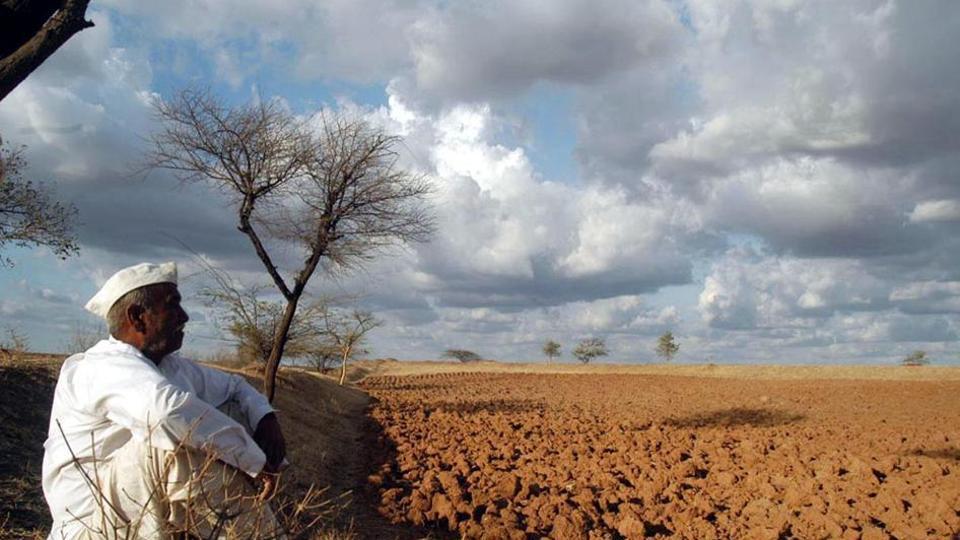
However, barely few kilometres from Baramati, there are villages which have been awaiting water. For around 50 years after independence, these villages, known to be perennially drought-prone, have been fighting for water.
“Having fought for years and still nothing has happened, we have given up our hopes for water,” said Aniket Kadam, a local from Masalwadi which falls under the water-shadow region.


