
 E-Paper



Two years of Covid: How other diseases get back-burned
Health machinery swung into action to battle the Covid outbreak and other deadly viruses and diseases like AIDS, tuberculosis and dengue fell off the radar


PUNE On March 9, 2020, Pune reported the first case of confirmed Covid-19 positive case, which was also the first case in the state. Since then, the health machinery has swung into action to control the spread of the infection and bring down deaths due to the virus.
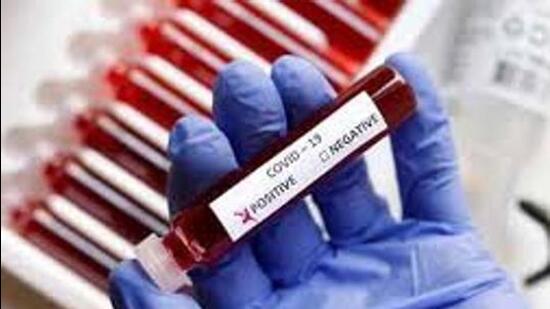
However, during the same period, other deadly viruses and diseases like AIDS, tuberculosis and dengue were not on priority list of authorities. Reporting of these diseases, which have to be notified as per the government guidelines, were ignored or underreported.
As per Pune Municipal Corporation (PMC) health department data, tuberculosis cases reported in 2020 went down by 30% compared to the previous year. Dr Prashant Bothe, nodal TB officer at PMC health department said, “In 2020, the entire machinery was involved with Covid management, including our staff. However, the notifications have gone up from 4,900 in 2020 to 6,100 in 2021. We have also issued notices to about 300 private hospitals to notify every TB case or face action under the Indian Penal Code (IPC). Hopefully, these numbers will go up in the coming years.”
The number of blood tests for AIDS also went down from over 0.1 million in 2019 to 68,000 in 2020.
Dr Suryakant Deokar, PMC officer incharge of AIDS control and awareness said, “During the first year of the pandemic, the staff was overburdened with Covid for contact tracing, testing, treating and, in the second wave of Covid, we were also involved in arranging for beds. However, in the following year, there has been more awareness programmes and the number of tests has risen as compared to previous year from 68,000 to 71,000.”
Dr Sanjeev Wavare, assistant health officer, PMC, “As per our data, there was no underreporting as dengue cases were down and in the following year it went up. Dengue is a seasonal disease and so after every 3-4 years depending on humidity, October season that provides very suitable conditions for breeding of mosquitoes and other environmental factors.”
Dr Subhash Salunkhe, Covid advisor to the state and a public health expert said, “We cannot expect the same enthusiasm in fighting other diseases that we had, as a society or even as a government. In the first few initial meetings, we saw the response from the central and state governments when the entire machinery was involved and the priority was public health infrastructure. However, just because we have faced a pandemic 100 years since the last one, it does not mean that the next pandemic would come in the following century. The state machinery has to be prepared for the same. We must form a strategy to fight both communicable and non-communicable diseases which may cause a pandemic. We must equip the public health infrastructure with man, money and machinery. I do not think that in the future the governments would be as interested to boost public health as they were during the pandemic or even fulfil the tall promises they made during the pandemic. The government first needs to strengthen the primary health care centres and prioritise on providing best maternity care and child nourishment. The child health indicators in our country are still worrisome and we have seen how the weak are more vulnerable in a pandemic.”


