
 E-Paper



Sukhna catchment: HC order likely to affect 1,700 houses, 30,000 people living in Kansal
The villages to be affected by the HC order include Kansal in Mohali district of Punjab; Kaimbwala and Khuda Ali Sher in the union territory (UT) of Chandigarh and Saketri in Panchkula district of Haryana.

 Prefer HTon Google


About 1,700 housing units are likely will be affected by the Punjab and Haryana high court’s order on March 2 to demolish unauthorised as well as legal constructions in the Sukhna Lake catchment area within three months, reveals a survey of houses in Kansal village by the Nayagaon municipal council.
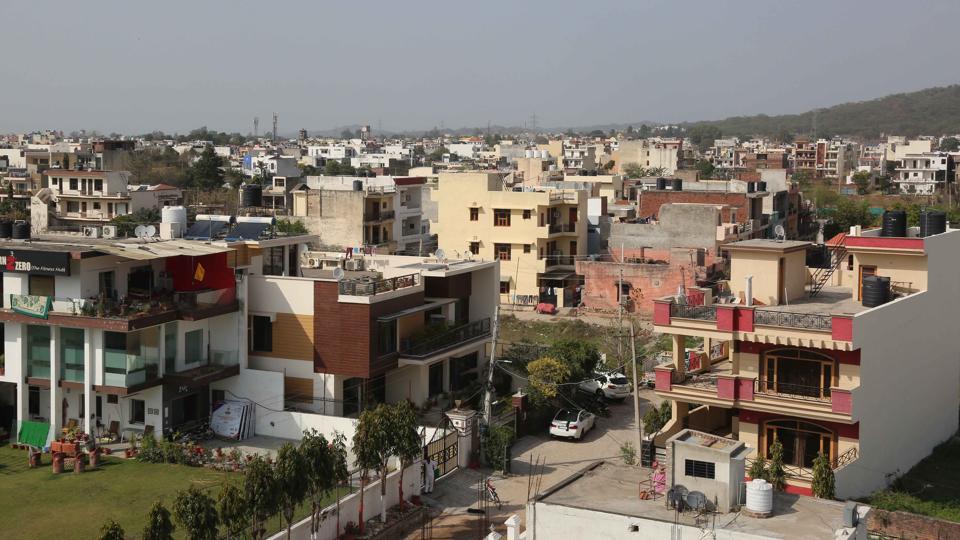
According to estimates, this will hit 30,000 people.
The villages to be affected by the HC order include Kansal in Mohali district of Punjab; Kaimbwala and Khuda Ali Sher in the union territory (UT) of Chandigarh and Saketri in Panchkula district of Haryana.
A senior MC official said though the survey was not complete, it was estimated that about 1,700 housing units will be affected. “While conducting the survey, we are verifying dates of water and power connections, registration of property and buildings plan approvals.”
He said the MC had stopped approving building plans after 2012 and even issued notices for demolition of illegal housing units, which were later stayed by the court.
Another senior official of the local bodies department said that until 2010, when zonal planning of the area was being done there was some confusion over the catchment area specifications. Later, several cases pertaining to the catchment area were filed in HC in 2009.
In 2010, zonal planning with classification of residential, forest and agricultural areas was carried out.
In 2011, despite HC banning registration of properties in the area, people were able to register plots they had bought earlier.Then, even as housing units came up over there, HC in 2019 made it clear that these too were part of the catchment area.
On March 2, HC also directed the chief secretaries of Punjab and Haryana with the UT adviser to constitute high-power committees to fix accountability for “such large-scale” unauthorised construction.
HC asserted that the defaulters were aware of the Survey of India (SoI) map with clear specifications of the catchment area, yet they continued to build structures.
Commenting on the matter, Harjot S Oberoi, president, Kansal Residents Protection of Rights and Welfare Association, asked why the civic body was collecting property tax from the residents if the housing units were illegal? “Now, after the court’s order, MC officials are trying to save their skin,” he said.


