
 E-Paper



Expanding Pune: Why merger of 23 villages pushes case for two civic corporations in Pune; cue PCMC
Part 4 - PMC alone covering an area of 518 sq km may not be an ideal workload for a civic body to deliver essential services to these new areas being merged. Series concluded


PUNE With the proposed merger of 23 areas – referred to as villages in the government records – into the Pune Municipal Corporation, the civic body is all set to become one of the largest municipal bodies in the state, in terms of area.
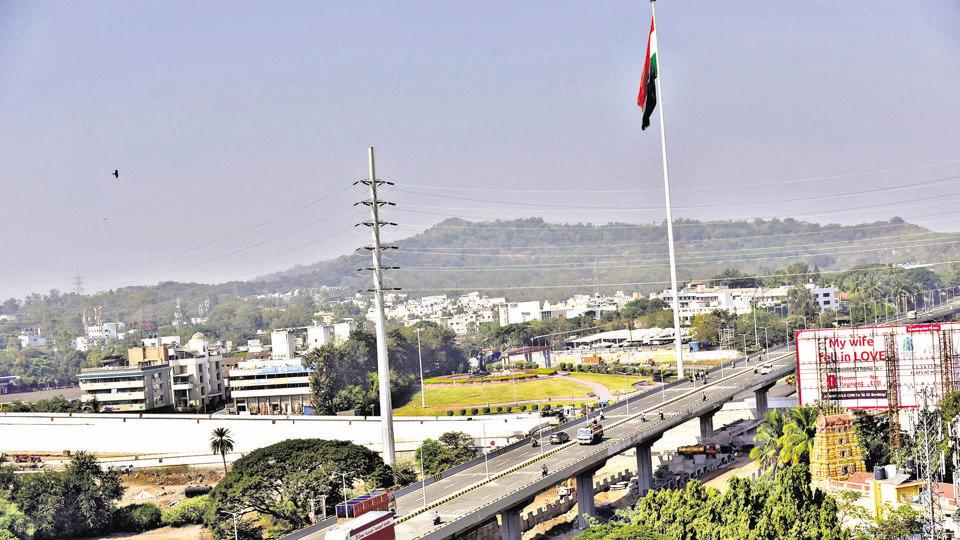
According to a letter written to the urban development department by district collector Rajesh Deshmukh, the PMC area will now be responsible for 518.16 sqkm, once these 23 areas become part of Pune.
With the city’s areas growing by around 187.16 sq.km from the existing 331 sq km and the addition of a population of five lakh, many believe the civic body will not be able to deal with the burden.
Civic activists and senior government officials are in favour of formation of a new corporation to prevent the extra burden on the PMC.
The existing Pune corporation came into being in 1950. Increasing urbanisation led to the formation of the Pimpri-Chinchwad Municipal Corporation 32 years after that, in 1982.
Mahesh Zagade, former municipal commissioner and ex-CEO of the Pune Metropolitan Regional Development Authority (PMRDA), said, “A separate municipal corporation is the solution to cater to the development of the surrounding areas. There are four municipal corporations in Delhi. Here, we can also form another corporation like Pimpri-Chinchwad.”
After 1982 when PCMC was formed, the city had seen rapid expansion in its population and area.
From 145.92 sq km in 1985, the city’s limits grew to 243 sq km in 2001 and 331 sq km in 2017.
Anita Gokhale Benninger, urban planner and executive director of the Centre for Development Studies and Activities, said there is a need for decentralisation.
“Instead of a merger, the government should implement a decentralisation model for development,” Benninger said.
She expressed a fear that merger may make the city like Mumbai – “haphazard”.
There is an authority - PMRDA - to develop these areas. “PMRDA should carry out the development in these proposed 23 villages,” she said.
With the extended area, PMC’s strength of corporators will also increase.
AAs per the Maharashtra Municipal Corporation Act, a municipal corporation with a population of over 24 lakh in its area needs to have a minimum of 145 elected corporators.
Pune currently has 165 and this can now go up to 175.
Vijay Kumbhar, a civic activist, said, “There is a need to form a new corporation. At present, PMC is not able to manage the villages already merged. We cannot provide facilities instantly to 23 merged villages. Under the 74th amendment of the constitution, local self -government becomes planning authority. They have the power to develop their areas. Merge means encroachment on the sovereignty of 23 areas. Merger is the centralisation of all services. Merger will help the government to create a land bank. There should be a regional plan which can reserve rights of all agencies like PMC, PCMC, and fringe villages.”
According to Vivek Velankar, another civic activist, there is no problem with a merger as long as PMC makes a plan to provide basic facilities.
“Water is the main problem in the existing city. What will happen if 23 villages are included in the PMC limit? How will we get extra water and from where?,” he asked.
Sarang Yadwadkar, civic activist and architect, said, “Is the corporation able to mange the existing city? We are not able to develop infrastructure within the city limits. A huge area under the control of one authority is a concentration of power. Corporation should divide now. One corporation cannot take the burden of extra area.”
Ramchandra Gohad, former senior official of town planning department, said, “Merger will not solve the purpose of development of 23 villages. Corporation is already under stress as 11 fringe villages merged in 2017. Corporation has a lack of manpower and revenue to provide basic facilities to the upcoming 23 villages. New corporation will help to solve or handle problems of 23 villages.”
POLITICS
Considering that the 23 villages are under control of NCP and Congress, the Bharatiya Janata Party is not very keen in their inclusion in PMC, especially when civic polls are lined up in early 2022. To prepare the party for the polls, city BJP chief Jagdish Mulik has started meeting residents from these areas.
People in the know, on how and how not to
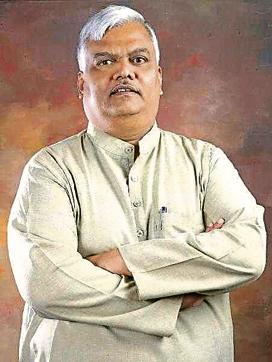
There is a need to form a new corporation. At present, PMC is not able to manage the villages already merged. We cannot provide facilities instantly to 23 merged villages. Under the 74th amendment of the constitution, local self -government becomes planning authority. There should be a plan.”
Vijay Kumbhar , civic activist
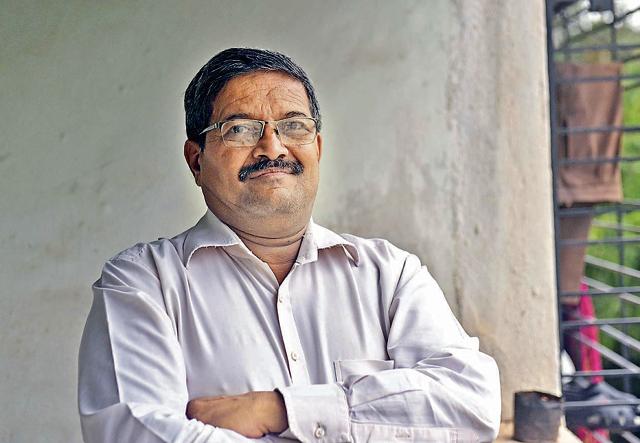
“There is no problem with a merger as long as PMC makes a plan to provide basic facilities. Water is the main problem in the existing city. What will happen if 23 villages are included in the PMC limit? How will we get extra water and from where?”
Vivek Velankar , civic activist
“Merger will not solve the purpose of development for the 23 villages. Corporation is already under stress as 11 fringe villages merged in 2017. Corporation has a lack of manpower and revenue to provide basic facilities to the upcoming 23 villages. ”
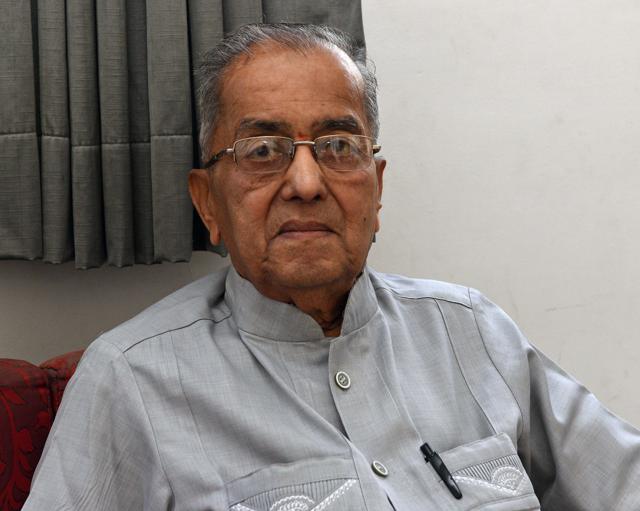
Ramchandra Gohad, former senior official of town planning department
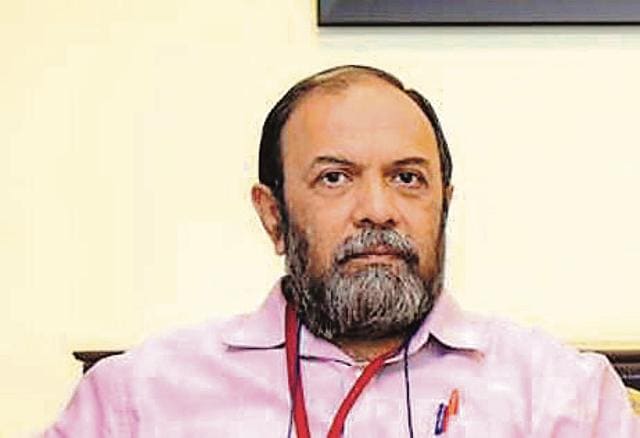
“Is the corporation able to mange the existing city? We are not able to develop infrastructure within the city limits. A huge area under the control of one authority is a concentration of power. Corporation should divide now. ”
Sarang Yadwadkar, civic activist and architect


