
 E-Paper



Think global, act local: Here's what Uber can learn from McDonald’s
Can Uber take ownership for the safety of its passengers? Be it financial or physical safety, how far can -- or should -- Uber go? There are no easy answers, writes N Madhavan.


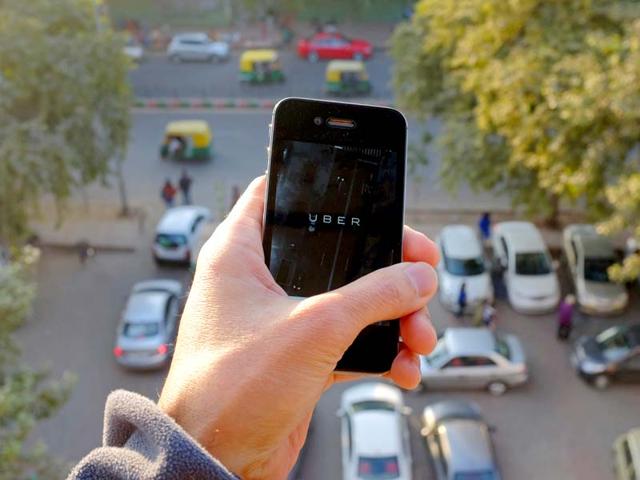
Two seemingly unconnected news items last week are, in fact, connected. On the one hand, there was news from the US that Uber, the hot ride-sharing service that makes instant cabs out of available cars with drivers through a mobile app, was raising a fresh round of funding that valued the company at a staggering $40 billion (Rs 240,000 crore). On the other hand, at the weekend came the depressing news of how a young woman executive in Gurgaon suffered rape at the hands of a taxi driver after hailing a cab from Uber.
Between these two items hang the tale of how global businesses need a local touch. American startups thrive on teenage enthusiasm, usually because they are drunk on new technology. But there is much more to business models than hot technologies.
Google-backed Uber has also been trying to lobby against restrictive Reserve Bank of India regulations. The company uses a mobile wallet system, in which the central bank requires a two-step authentication process. RBI also requires local banks to be involved and insists on rupee transactions. This is intended to provide safety to customers, but the US company called the checks "antiquated" — and reluctantly started using local mobile wallet operator Paytm to comply with RBI rules.
One might stretch the RBI-style logic to the safety of women. Sadly for Uber, Gurgaon is not San Francisco. Though the company cannot be truly blamed for what one of its cabbies did, the event last week shows how a full-service taxi service company is more than a savvy tech player. In Delhi, police advise domestic servants to be verified. Cabbies are a logical extension.
Can Uber take ownership for the safety of its passengers? Be it financial or physical safety, how far can — or should — Uber go? The one-size-fits-all approach doesn’t work. There are no easy answers, but Uber could learn from McDonald’s, the burger chain. It eschewed beef in India and for the first time introduced vegetarian burgers. Think global, act local.
madhavan.n@hindustantimes.com


