
 E-Paper



Poor planning for rains cause human suffering, loss of resources
Poor planning for the rains keeps causing human suffering and loss of precious resources.

 Prefer HTon Google


If the monsoon showers have brought relief from the unrelenting summer, it has also exposed, once again, the country’s inability to deal with this yearly bounty. While Delhi had its first date with the rains on Sunday, Mumbai is already stranded waist-deep in water; Assam is reeling under floods again, though not much of its plight has figured in the ‘national’ media. According to the Assam State Disaster Management Authority, more than 19,000 people have been affected in five districts and over 1,600 hectares of crops are under water. Much more damage is expected in the coming days since the water levels of the Brahmaputra and its tributaries are on the rise. In Mumbai, heavy and continuous rains over the last six days have led to water-logging, which has affected the city’s lifeline, the rail services.
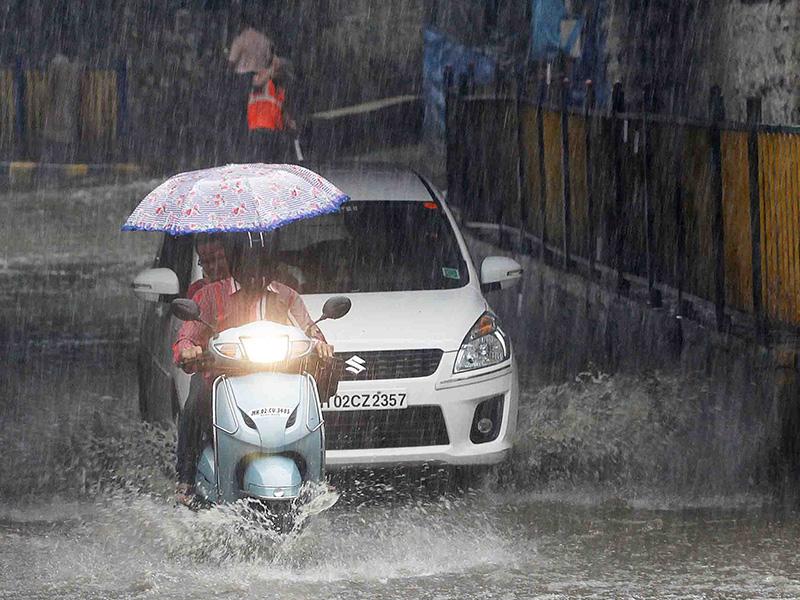
Is Delhi ready to face the brunt of the monsoons this year? The municipal corporations have apparently spent Rs 240 crore to desilt Delhi’s 7,000 drains, but the real test will be on Thursday, when the skies are expected to open up.
While everyone looks forward to the monsoon in India, the season becomes an unmitigated disaster for many, thanks to the authorities’ poor preparedness to tackle the rains. Take, for example, Mumbai. After the 2005 floods, the authorities planned to upgrade the city’s 100-year-old drainage system and construct new pumping stations. But that has not been completed despite cost escalations. The project is important as 90% of the rainfall received by the city is discharged into the sea through drains, and due to unplanned growth, encroachments and lack of open spaces, not much of the water is absorbed into the ground. This means that the city’s drainage system wilts under the pressure in the case of heavy rains, something that the new drainage system must fix. In Assam too, the rampant urbanisation, clogging of the water channels and devastation of wetlands are leading to floods. Water going down the drains also dissolves chances of its harvest or reuse.
With climate change becoming a reality, monsoon deluges and flooding will become recurrent challenges. According to the Intergovernmental Panel on Climate Change (IPCC), the Indian subcontinent may see longer rainy seasons in the second half of the century. Disasters have other dimensions also: Migration and putting poor people back into the poverty cycle due to loss of property. So a stitch in time — cleaning storm water channels, unclogging drains and preserving wetlands — can save precious human and government resources.


