


 Live Score
 Cricket Teams
 Cricket Players
Booting Bangladesh from the World Cup was the first step: ICC can take stricter actions against BCB
Bangladesh's exclusion from the T20 WC 2026 has significant implications, raising concerns over governance compliance within the ICC.

 Prefer HTon Google


Bangladesh’s standoff with the ICC over playing the Men’s T20 World Cup 2026 in India has shifted from warning shots to real damage.
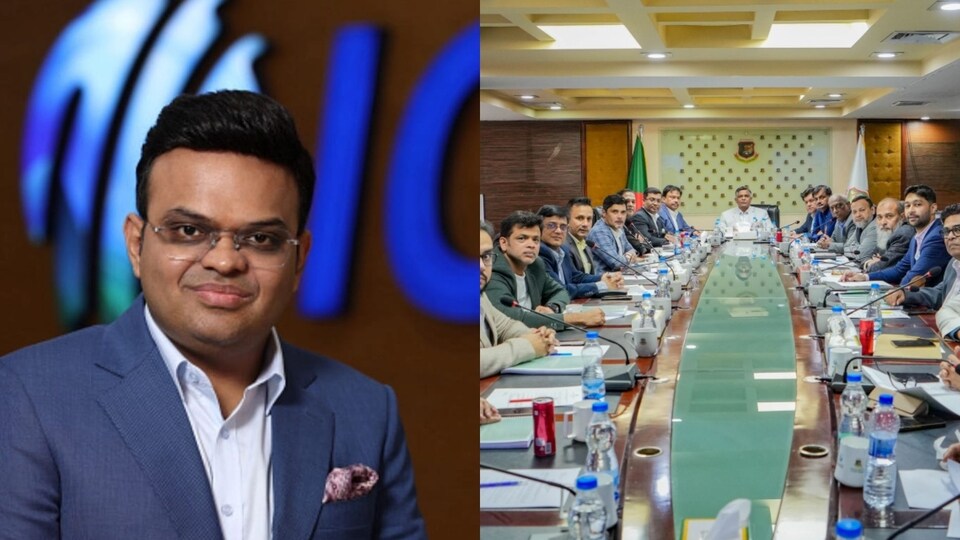
On January 24, Bangladesh were replaced in the tournament line-up, shutting the door on their participation before the event begins on February 7 across India and Sri Lanka.
A replacement that rewires Bangladesh’s World Cup cycle
Being removed from the event is the obvious sporting blow, but the bigger cost is what it does to Bangladesh's longer World Cup pathway. Bangladesh had booked their place for 2026 through performance-based qualification from previous edition - one of the cleanest routes teams have because it is decided on the field, not in qualifiers or at rankings cut-offs.
Now that route is gone for the next cycle, and the consequences cascade. Without playing the 2026 event, Bangladesh will not have a finishing position from this tournament to carry forward into the next qualification framework whatever shape that takes. In the recent cycle, ICC has used a mix of previous-edition finishing positions, hosts, rankings cut-offs, and regional qualification tournaments to fill World Cup slots. Miss one edition, and you automatically lose one of the easiest automatic levers: results in the tournaments itself.
That does not guarantee Bangladesh will be forced into qualifiers next time - the ICC will publish the next cycle’s criteria in due course - but it does remove the simplest way to stay inside the top bracket: turning up and finishing well.
The revenue lever ICC can pull - why it matters
The more serious conversation now is not about cricketing form, but about governance and compliance. The ICC’s own constitutional framework gives it powers beyond tournament administration. If the ICC determines that a member is in serious breach of its obligations, it can suspend that member. A suspension is not symbolic: it deprives the member of key rights, including participation in ICC events and the right to receive distributions of surplus ICC revenues.
That is the hard-edged reason the revenue exclusion talk has weight - but also why it should be framed carefully. Exclusion from ICC revenue is not an automatic punishment for a dispute. It is a consequence that becomes relevant iof the issue escalates to a membership sanction.
Why would that escalation even be discussed? Because the same framework places obligations on members to run their affairs autonomously and to ensure there is no external interference in governance and operational matters. When a cricket dispute starts sounding like it is being driven by non-cricket directives, it stops being a normal disagreement and starts drifting into compliance territory.
Bangladesh have already paid the steepest on-field price: they are out of the World CUp. What happens next depends on whether the ICC treats this as a contained participation breach - or as something that raises wider questions about member obligations, with the power to hit where it hurts most: future event access and ICC revenues streams.


