E-Paper



Frame law on Himachal lines to take over management of temples: HC to Uttarakhand govt
A division bench of justices Lok Pal Singh and Rajiv Sharma made the recommendation while disposing of a public interest litigation filed by Anjali Bhargav in 2015.


The Uttarakhand high court recommended to the state government on Wednesday to frame a legislation on the lines of Himachal Pradesh’s Hindu Public Religious Institutions & Charitable Endowments Act, 1984, to take over the management of temples, said Gopal K Verma, counsel of the petitioner in the case.
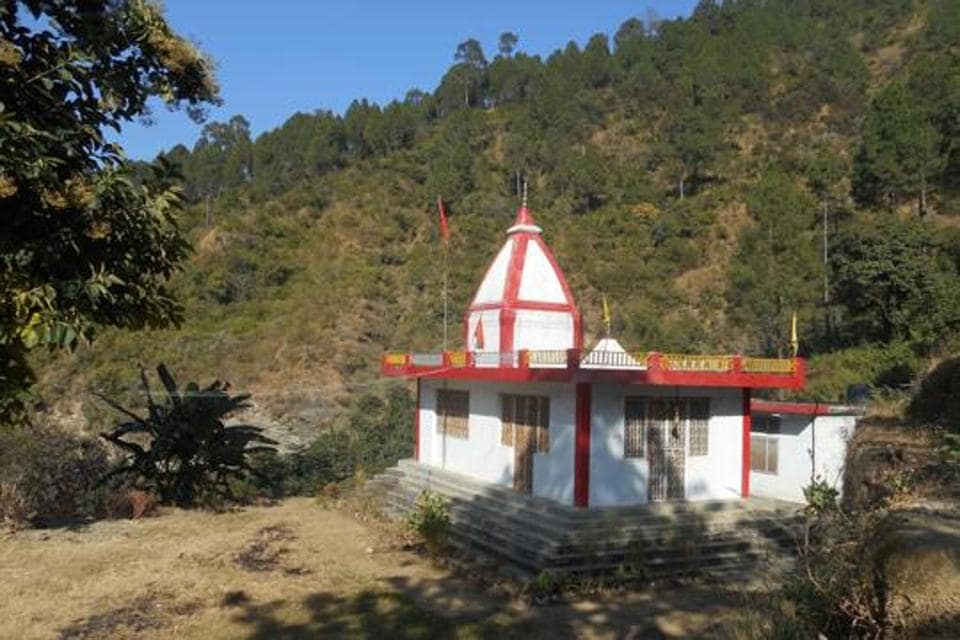
A division bench of justices Lok Pal Singh and Rajiv Sharma made the recommendation while disposing of a public interest litigation (PIL) filed by Anjali Bhargav in 2015.
Verma said the petition had highlighted the issue of revenue, generated from organising an annual fair on a ground in front of the Naina Devi temple, going to a private society -- Ramsewak Sabha Neonatal -- instead of the state government. One of the Shakstipeeths, the temple is located on the banks of the Nainital lake.
Verma said the petition pointed out that as the ground was a government land, the rent collected from shops/stalls set up during the fair in September should go to the government coffers.
The court directed the district administration and Nainital municipality to organise the annual fair and deposit the revenue generated from the shops and stalls in the government treasury, Verma said.
Expanding the scope of the PIL, the court recommended to the state government to take over the management of all the temples in Uttarakhand.
According to the provisions of the Act in effect in Himachal Pradesh, the administration of all Hindu public religious institutions and charitable endowments shall be under the general superintendence and control of the commissioner. Superintendence and control shall include the power to pass orders to ensure that such institutions and endowments are properly administered, and their income is duly appropriated for the purposes for which they were founded or exist.
What the HP Act says
Under the Act notified in Himachal Pradesh, the authorities concerned have to prepare and maintain a register for every Hindu public religious institution and charitable endowment. The register has to list:
-- the origin and history of the institution, the names of the past and present trustees
-- particulars of the scheme of administration and of the scale of expenditure
-- the name of all offices to which any salary, emolument or prerequisite is attached and the nature, time and conditions of service in each case
-- the money, jewels, gold, silver, precious stones, vessels and utensils and other movables belonging to the institution, with their weights, details of the constituent elements and the estimated value thereof
-- particulars of immovable properties and all other endowments of the institution and all title deeds and other documents
-- details of constituent elements of and coloured photographs of the idols and other images in or connected with the institution, whether intended for worship or for being carried in processions
-- particulars of ancient or historical records with their contents in brief