E-Paper



To ensure safe delivery, HC wants diagnostic centres to tell govt about pregnant women they test
Uttarakhand high court also directed the health secretary to ensure that in every sonography and ultrasound diagnostic centres run by the private clinics, silent observer devices be installed within three months


The Uttarakhand high court has directed the chief secretary to issue necessary directions to all the diagnostic centres in state to supply the list of all the pregnant mothers and the expected delivery date to district chief medical officers to determine ailments, if any, that the expectant mothers are suffering from.
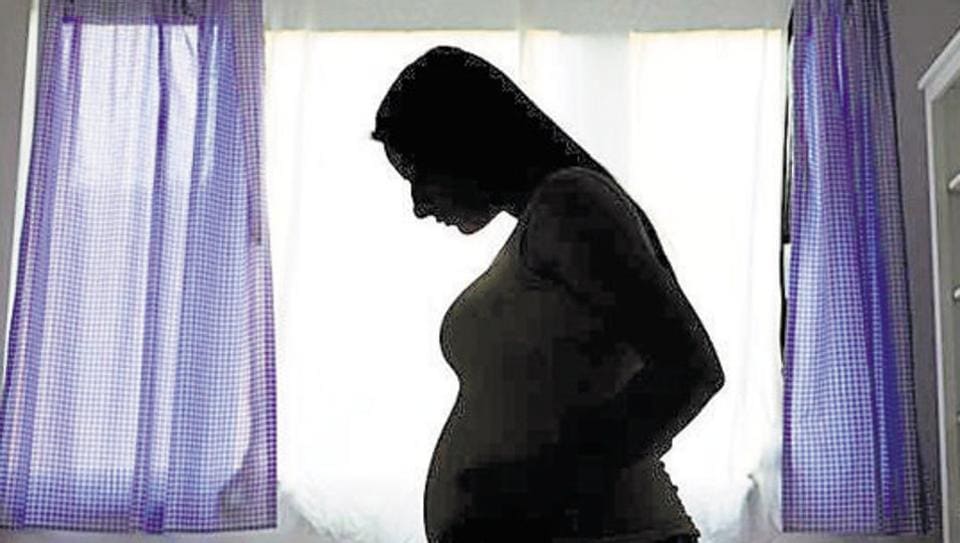
“The CMO through subordinate officers and aanganbari centres shall remain in contact with the expectant mothers one month prior to delivery for psychological counselling and anti-natal checking of haemoglobin, urine albumin and sugar, malaria, VDRL, HIV, blood grouping ...in all the government hospitals under the Pradhan Mantri Surakshit Matritva Abhiyan (PMSMA),” the court said.
It also directed the health secretary to ensure that in every sonography and ultrasound diagnostic centres run by the private clinics, silent observer devices be installed within three months.
A division bench of Justices Rajiv Sharma and Lok Pal Singh gave these directions in response to a PIL concerning the implementation of the Pre-Conception & Pre-Natal Diagnostic Techniques (Prevention & Prohibition) Act, 1994 in Uttarakhand. The order was issued last month but its copy was made available on Wednesday.
The HC said that in a counter affidavit, the state government has stated that a State Supervisory Board had been constituted, State Appropriate Authority nominated and state and district advisory committees constituted for the implementation of the Act.
HC remarked that according to a media report, a delivery had taken place on the suspension bridge in the interior part of the state. “It is unfortunate. This should not happen again. The expectant mothers are required to be removed to the nearest government hospitals for delivery to save their lives,” the order said.
Other directions
Balanced improved diet also be supplied to all the expectant mothers belonging to scheduled caste, scheduled tribes and also to the women living below the poverty line, as determined by the dietician within one month through Aanganbari centres.
It shall be open to all the expectant mothers to send an application to the CMO concerned for making arrangements of safe delivery in the nearest government hospital, if necessary, by transporting expectant mothers to the nearest government hospital by making all the necessary arrangements including free conveyance, lodging and boarding for the expectant mothers belonging to inaccessible/ difficult areas.
State government is directed to make general public aware of the provisions of PCPNDT Act.