
 E-Paper



Twist in leopard poaching case: Test finds tiger DNA in two samples
The report by the Dehradun-based WII has set the alarm bells ringing as the forest officials till now suspected that the remains were only of a leopard or leopards

 Prefer HTon Google


The animal remains recovered from a pit in the core area of Rajaji Tiger Reserve had DNA strains of two different big cats, tiger and leopard, an analysis conducted by the Wildlife Institute of India (WII) has revealed.
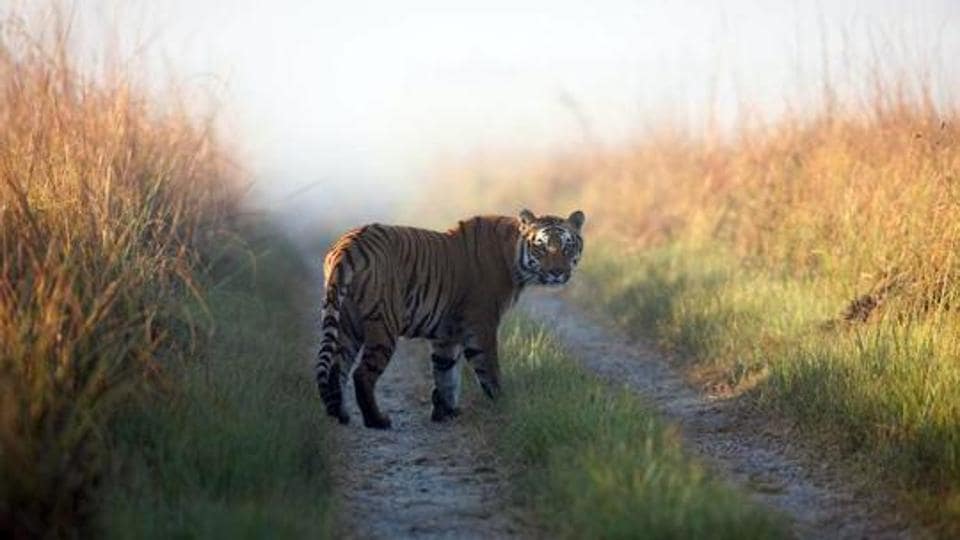
The report by the Dehradun-based WII has set the alarm bells ringing as the forest officials till now suspected that the remains were only of a leopard or leopards. It was on March 22 that forest officials had conducted a raid and seized decomposed wildlife parts from pits in Motichur range of the reserve.
Samples of the remains were sent to WII for DNA analysis. As per the WII report submitted in the court of chief judicial magistrate in Dehradun, of the five samples they had received, two had tiger DNA and the other three were of leopard.
The seizure of the animal remains and subsequent investigation has seen a blame-game being played out in the forest department. A sub-divisional officer, who first probed the case, had in his report alleged involvement of former honorary wildlife warden of the reserve Rajeev Mehta and Haridwar based activist Dinesh Pandey in the alleged poaching. He had also hinted at support of a senior forest official under whose direction a team had raided the spot and found wildlife parts. SDO Komal Singh was on Thursday shunted to forest headquarters on attachment, a move that drew praise from wildlife activists.
The latest development of two animal parts being that of a tiger is likely to snowball into a controversy.
Chief wildlife warden DVS Khati refused to comment on the issue saying he doesn’t know of any such report. He, however, claimed that tigers were not found in the area where the seizure was made. He also claimed that the seizure was “planted”.
Notified as 48th tiger reserve of the country, Rajaji, spread across 1075.71 hectare, reported 23 wildlife crimes against tigers from 2004-2015, as per information obtained through RTI from the office of chief wildlife warden. Highest 227 cases of crime were reported against leopards. Another RTI reply said reserve recorded 86 leopard and 13 tiger mortalities in 2017.
Vidya Athreya, a Maharashtra-based wildlife activist who had been working on leopard conservation and conflict mitigation in various parts of the country including Uttarakhand, said that it was important for reserves to benefit locals from tourism activities so as to conserve wildlife.
“Tadoba Andhari Tiger Reserve in Maharashtra is a classic example of how locals are benefited with various tourism activities. We need to make communities accountable for protection and conservation of wildlife. It is not possible to man each big cat. And if locals start feeling that wildlife is an asset to cherish, then we could take conservation to a different level,” Athreya said.
Others however, feel that unlike Gujarat and Maharashtra where cooperative model is successful, there should be a strong strategy to induce communication and support from communities in Northern India.
“To make the cooperative model a success in North, we need a strong strategy. Certainly, the communities could play a major role to better protection on ground. But, we need to understand how,” RK Shukla, retired principal chief conservator of forest, Uttar Pradesh, and president of Dehradun-based NGO The Wildlife Preservation Society of India said.


