
 E-Paper



Brace for severely polluted winter, warns NASA
Hiren Jethva, research scientist, in USRA at NASA Goddard Space Flight Center, indicated that if stubble burning continues, the number of farm fires reported from Punjab and Haryana is likely to touch 16,000.


Satellite images suggest crop harvest in Punjab and Haryana this year may be at their highest in several years and this could lead to more cases of farm fires, a scientist at the National Aeronautics and Space Administration (NASA) said. The NASA scientist, along with several other experts, warned of a more severe pollution problem for the national capital this year.
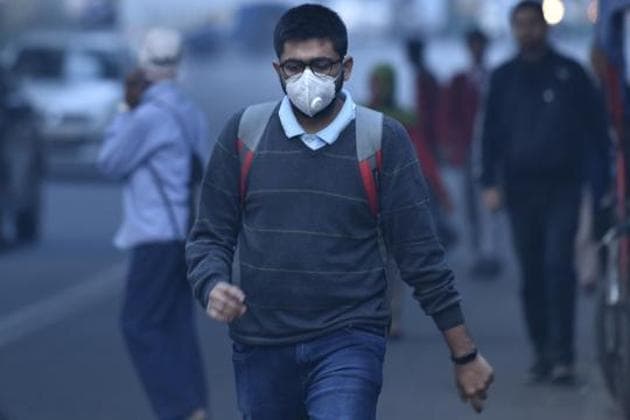
Hiren Jethva, research scientist, Universities Space Research Association (USRA) at NASA Goddard Space Flight Center, said that the crop production this season is likely to cross over 12 million tones. This indicates that if stubble burning continues, the number of farm fires reported from Punjab and Haryana is likely to touch 16,000 in October and November.
Analysing satellite data to track crop fires, Jethva said that the normalised difference vegetation index (NDVI)—a measure for greenness that can indicate crop or vegetation cover— for September was “historically largest this year”. He added that it is possible that the “most intense fire season” is witnessed this year, if no action is taken to reduce residue burning.
“Farmers in northwest India are about to begin harvesting crop. Aqua MODIS (Moderate Resolution Imaging Spectroradiometer, a monitoring system that detects fires) NDVI for September is historically largest this year,” Jethva said.
Farm fires are mostly reported from paddy fields where stubble is set on fire in order to quickly prepare for sowing the next round of crops. Paddy is one of the main crops grown in Punjab and Haryana, as it qualifies for the government’s minimum support price (MSP) scheme.
Experts said that the increase in stubble burning cases could hinder Delhi’s fight against pollution this year.
“From October 5, northwesterly winds will start approaching Delhi. Also, rainfall activity will start reducing from plains in northwest India. However, the effect from stubble burning takes around 4-5 days to reach Delhi. The rise in pollution will depend on wind speed,” said Kuldeep Srivstava, head, regional weather forecasting centre (RWFC), India Meteorological Department (IMD).
Data shows that between 2002 and 2018, the maximum number of stubble burning cases was reported in 2016. NASA’s fire map data shows that in 2016, nearly 18,000 cases of farm fires were reported.
“Crop production is likely to rise this year because of monsoon staying longer and some other local factors. Fearing detection, farmers are also putting fire to stubble in smaller patches, which is not caught on satellite,” said Karunesh Garg, member secretary, Punjab Pollution Control Board.
Rattan Singh Mann, Haryana chief of Bharatiya Kisan Union (BKU), said that if the government helps small farmers get access to improved machinery, the practice of stubble burning can be controlled.
“Burning is the most cost effective and quick way of getting rid of the residue. But if the government provides help, then farmers will definitely switch,” Mann said.
The National Green Tribunal (NGT) on Tuesday directed setting up of special cells in the office of chief secretaries of Delhi and neighbouring states to monitor on a daily basis this month the problem of air pollution by burning of crop residue.
The tribunal said that such monitoring mechanism may be finalised by October 7 and placed on the website of the states.
Besides, the tribunal asked the Centre and the agriculture secretaries of Punjab, Haryana and Uttar Pradesh to appear before it along with their status reports on October 15.

Stay updated with all top Cities including, Bengaluru, Delhi, Mumbai and more across India. Stay informed on the latest happenings in World News along with Delhi Election 2025 and Delhi Election Result 2025 Live, New Delhi Election Result Live, Kalkaji Election Result Live at Hindustan Times.


