
 E-Paper



Deficient monsoon rain may take toll on Delhi plantation drives: Experts
The state government had set a target to plant around 11.6 lakh tree saplings and 9.22 lakh shrubs in the financial year 2016 – 2017. Most of the saplings are planted in monsoon. Delhi receives the highest rain during July and August.


The erratic and deficient rains this year could take a heavy toll on Delhi’s plantation drives, say experts.
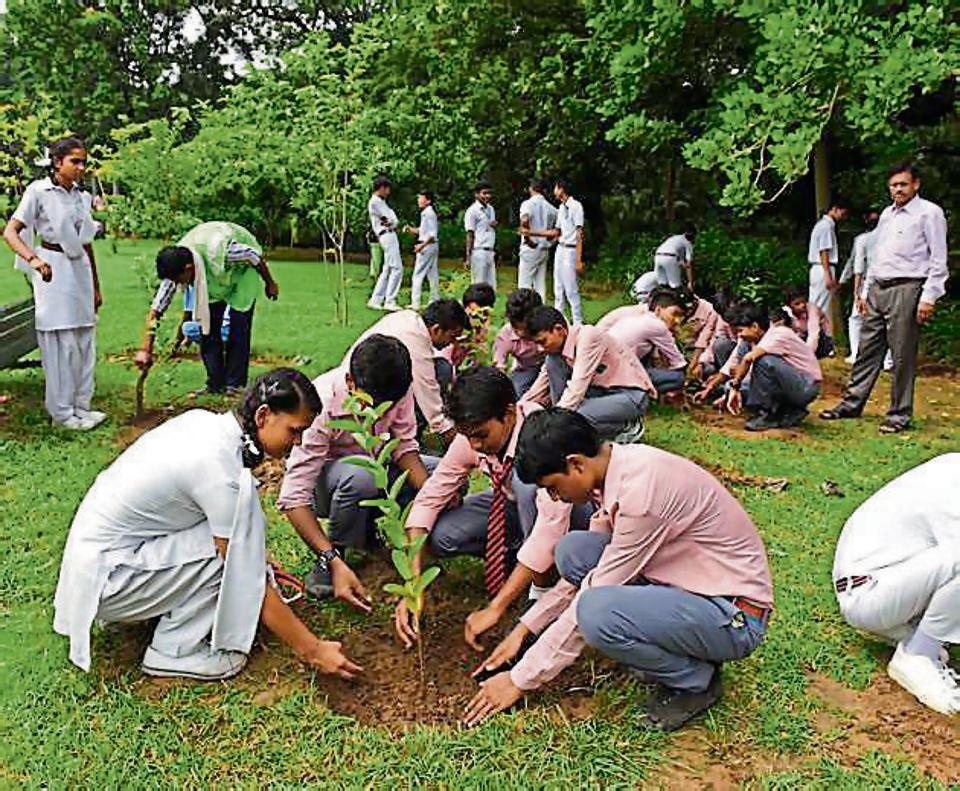
The state government had set a target to plant around 11.6 lakh tree saplings and 9.22 lakh shrubs in the financial year 2016 – 2017.
“Not all the saplings that are planted every year manage to survive. But this year, as the rains are erratic and also deficient, the mortality rate could be higher,” said an official of parks and garden society of the state environment department.
Most of the saplings are planted in monsoon. Delhi receives the highest rain during July and August.
“But this time the agencies which are planting the saplings need to take some extra care and water the saplings regularly if they want them to survive. Else the mortality could increase because of the dry conditions,” said Pradip Krishen filmmaker and environmentalist.
Experts said saplings are more vulnerable during the first three to four years. They need regular monitoring and care during the first few years. The older the tree grows and the deeper the root system, the greater would be its chances of survival despite deficient rains.
Professor CR Babu who heads the Centre for Environmental Management of Degraded Ecosystem in Delhi University said that a plant utilises more resources – food and water – for the development of its roots in the first two or three years compared to the development of the shoot.
“If the saplings which are being planted are less than one year old, then erratic rain and prolonged dry spell would definitely take a toll,” he said.
Experts claimed those saplings which are planted inside schools, colleges, embassies and VIP zones could survive as they would be taken good care of. But those which are planted on roadsides and other areas might not be able to survive.
While Delhi experienced the wettest June in more than one decade this year, the rains almost vanished after that. It was the driest July in at least five years. At present the city is reeling under around 39% deficient rains.
A senior officer of the state forest department official said that as the state is yet to come up with a tree audit mechanism it would be difficult to ascertain what percent of the saplings survived.
“A few lakh saplings are planted every year. But often the agencies plant a sapling just for the sake of a plantation drive. They are forgotten and another drive is taken the following year. If majority of them survived Delhi would have become a forest by now,” said Krishen.
Stay updated with all top Cities including, Bengaluru, Delhi, Mumbai and more across India. Stay informed on the latest happenings in World News along with Delhi Election 2025 and Delhi Election Result 2025 Live, New Delhi Election Result Live, Kalkaji Election Result Live at Hindustan Times.


