
 E-Paper



Environment min blames fuel guzzlers but says can’t do much
A day after the worst smog in 17 years hit Delhi, Union environment minister Anil Madhav Dave admitted that the situation was “grave” and blamed fuel guzzling vehicles and bad urban management for the spike in pollution.


A day after the worst smog in 17 years hit Delhi, Union environment minister Anil Madhav Dave admitted that the situation was “grave” and blamed fuel guzzling vehicles and bad urban management for the spike in pollution.
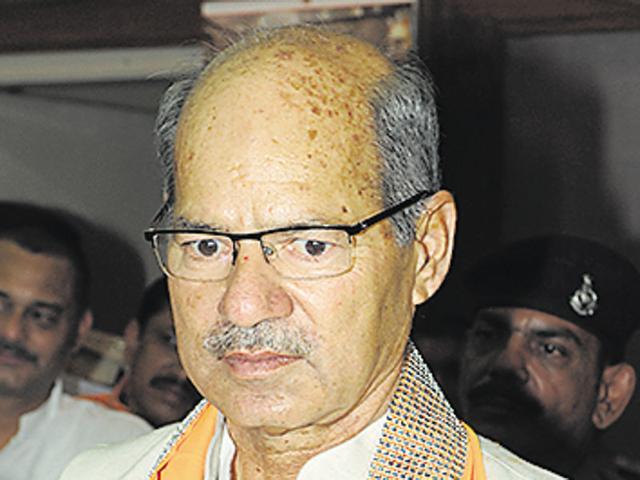
In an interview with Hindustan Times, Dave said half of the particulate matter pollution in Delhi was because of emissions from vehicles, especially the big fuel guzzlers (read diesel).
Dave, however, did not suggest a ban on registration of such vehicles in the national capital region, which is experiencing the worst pollution levels since introduction of CNG vehicles in 2000.
“Half of PM 2.5 pollution comes from vehicles,” he said, adding the rising population of vehicles, which caused congestion, was a reason of concern.
But he said his ministry cannot do much as only the state governments can impose restrictions on vehicle registration and ensure all vehicles comply with pollution control norms.
The minister said it is difficult to ensure his ministry’s action plans get implemented. “In a federal structure we have limitations. We cannot put pressure on the governments, we can only advise states to act,” he said.
Without naming the Delhi government with which the Centre is on a confrontation path, Dave said “politics had come to such a low level” that leaders come on streets if they are asked to “improve governance”.
Dave said that his ministry will soon issue an advisory to the states, asking them to take up short, medium and long- term measures, reiterating what his predecessor Prakash Javadekar said almost a year ago.
Javadekar had held a series of meeting with environment ministers in 2015 and 37 specific steps, including a ban on stubble and waste burning, effective dust management plan and phasing out of old vehicles, were decided.
In July this year, the Central Pollution Control Board issued directions with a specific timeline for implementation of each step to every state in the region but not much has happened.
“I will try my best to improve Delhi’s air quality in the next two years. But I need support of state governments,” he said.
The first step would be a meeting of environment secretaries of NCR region on Friday in which short, medium and long-term plans will be decided.
Most state governments had cited financial constraints for failing to implement the directions.
“We are doing our best but improving air quality is a national responsibility. The Centre should fund us to implement the action plans,” said Haryana environment minister Captain Abhimanyu.
The Haryana government’s effort to fine people burning agriculture waste has been opposed by farmers backed by the Indian National Lok Dal.
In poll-bound Punjab, the Akali Dal government is going slow on penalising them for burning waste.
After October 27, there have been no challans. “The cases of (paddy stubble) burning have reduced considerably, so no more challans,” says a PPCB officer told HT last week.
But NASA’s earth worldview shows stubble burning has increased in October in Punjab. In fact, there has been a considerable spike after last week of October.
Dave said the Centre will urge the states to strictly enforce air abatement rules around the year.
BOX: Steps Dave’s ministry suggested and status
Ban parking in non-designated areas: Not implemented
Plans for construction of expressways and bypasses to reduce congestion Most cities have not submitted
Installation of remote sensor based pollution under control certificates : Only Delhi has done
Water fountains at major intersections: Not implemented
Greening of open areas, housing societies and schools : Work started in some states
Blacktopping of metalled roads, including pavement of road shoulders : Not fully implemented
Enforcement of construction and demolition rules: Not enforced.

Stay updated with all top Cities including, Bengaluru, Delhi, Mumbai and more across India. Stay informed on the latest happenings in World News along with Delhi Election 2025 and Delhi Election Result 2025 Live, New Delhi Election Result Live, Kalkaji Election Result Live at Hindustan Times.


