
 E-Paper



Reviving Sariska's tiger footprints
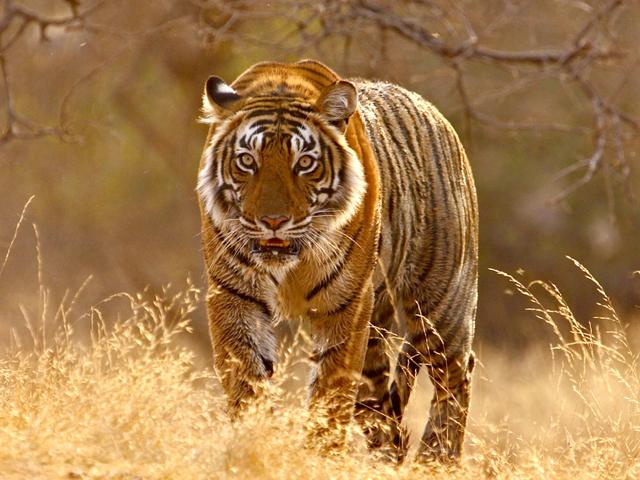
Baghani, a tigress has been transferred to Sariska National Park in an attempt to revive the dominating position big cats had within the reserve. Filmmaker Nalla muthu captures Baghani's life in her new home through the documentary Tiger Dynasty. Alexina Correya writes.


Wild boars, Sambar deer and jackals thrive in Sariska National Park in Alwar and leopards hunt without fear. The tiger is missing -- it is almost gone from the park.
All that may change: Baghani, a young tigress from Ranthambhore, has been trans-located into Sariska. She is not alone: Rathore, a male tiger has been separately introduced into the park by the reserve officials in a hope that the two cats will meet and succeed in establishing a family of their own.
Cinematographer and wildlife documentary maker Subbiah Nalla Muthu takes us through Baghani's uncertain exploration of her unfamiliar new home, a boost in her confidence, and her evolution into a skillful predator in his documentary Tiger Dynasty. The documentary is part of a five-documentary BBC series on endangered wildlife.
Tiger tale
Baghani, named after a village inside Sariska National Park, is one of the five big cats relocated into the park by the Rajasthan forest department as part of the tiger revival project. Sariska National Park used to be one of India's top tiger reserves until poachers ensured their local extinction.

Baghani comes from Ranthambhore National Park, 140 kms south of Sariska, and her transfer is an attempt to revive the dominating position the big cat had within the reserve. Earlier known to be a submissive and timid tigress, Baghani comes of age in the documentary.
Nalla says he has a fondness for Baghani. "I have been filming her since she was a young cub," he says.

Stay updated with all top Cities including, Bengaluru, Delhi, Mumbai and more across India. Stay informed on the latest happenings in World News along with Delhi Election 2025 and Delhi Election Result 2025 Live, New Delhi Election Result Live, Kalkaji Election Result Live at Hindustan Times.


