
 E-Paper



An out-of-sync waltz with US
India still has large stakes in maintaining its trade ties with the US, but must work on upping its long-term economic prowess

 Prefer HTon Google


Indo-US relations have been turbulent under the second presidency of Donald Trump which has been characterised by the US riding roughshod over even its oldest and most trusted allies. Things such as the US imposing an additional 25% tariff on India because of the latter’s Russian oil purchases — the US did no such thing to China — along with Trump’s targeting of the H1B visa have given India more than its share of rough weather in the bilateral relationship.
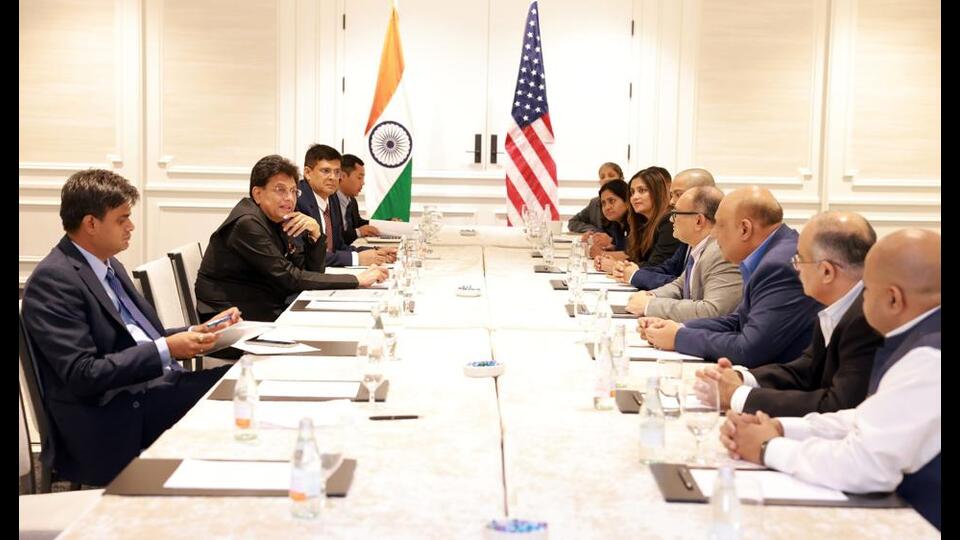
To be sure, the relationship, and more importantly, dialogue is nowhere close to breaking down. Conversations and engagements continue at the level of technocrats, defence personnel and most importantly, the highest political leadership of both countries. What is also true, however, is that dialogue has not necessarily meant a resolution on all pending disputes or disagreements. The ongoing trade negotiations, following the announcement of a trade deal (not agreement) between the two countries, and finance minister Nirmala Sitharaman’s comments about the talks “plateauing” due to difficult-to-reconcile differences need to be read in this context.
The US today is significantly more mercantilist and transactional than it was in the past many decades. India did well to finalise and expedite trade deals/talks with other developed countries, but the US is a different ball game. Its farm sector is significantly larger and also heavily subsidised; concessions here could potentially jeopardise mass livelihoods in India. While Sitharaman did not give details, it is reasonable to assume that agriculture will be a sticking point in the Indo-US trade talks, though not the only point of difference.
What next? Turbulent engagement with the world’s largest economy is still better than no engagement at all. India still has large stakes in maintaining its trade ties with the US. This basic reality still justifies a Hail Mary equivalent effort to salvage the ongoing negotiations. However, what is equally important is to realise that the US should not be expected to favourably change its attitude towards India drastically in the near-term. This sentiment is now firmly entrenched in political currents such as MAGA rather than just a mercurial president.
This is exactly why India needs to work on upping its long-term economic prowess. This needs working on internal deficiencies amid new external vulnerabilities.


