
 E-Paper



Balance is crucial in social media checks
Any form of media regulation is tricky, and that of social media hard to enforce, given its more amorphous nature

 Prefer HTon Google


Any form of media regulation is tricky, and that of social media hard to enforce, given its more amorphous nature. Care must be taken to not muzzle legitimate free speech and fair criticism
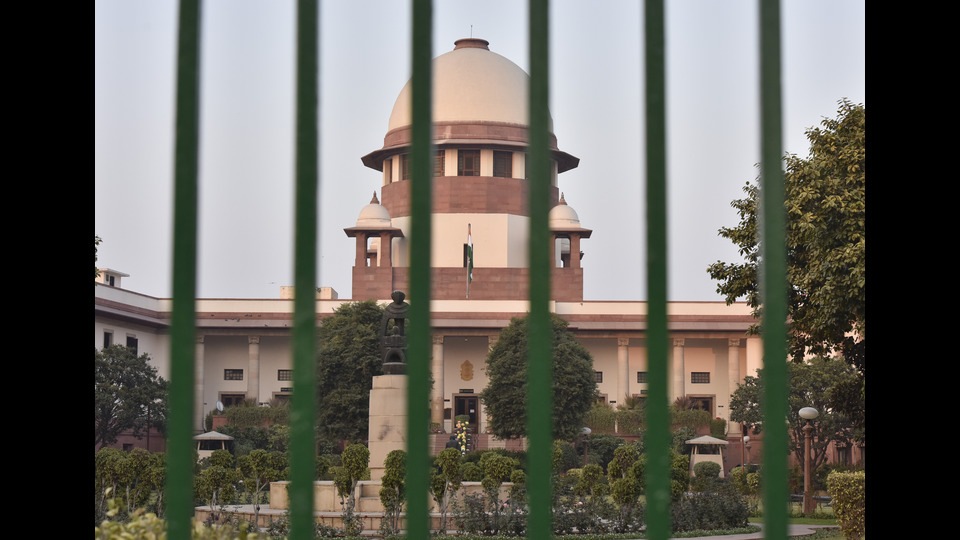
Over the weekend, Supreme Court (SC) judge, justice JB Pardiwala, said personal attacks on judges over social media will lead to a dange-rous situation. To pre-empt any such threat, social and digital media needs to be regulated in order “to preserve the rule of law under our Constitution,” he added. Justice Pardiwala was part of the bench that criticised Bharatiya Janata Party’s now-suspended spokesperson Nupur Sharma for her remarks against Prophet Mohammed, following which social media was rife with hashtags and posts attacking the bench’s other member, justice Surya Kant.
The justice’s comments, the incident it was triggered by, and the retaliatory violence that followed, bring into focus the delicate balance between free speech and judicial authority. True, citizens have the right to reflect upon, discuss, and debate judicial outcomes. By nature, a ruling will leave one side aggrieved, and Article 19 of the Constitution allows them to air their disagreement. But the epistemic authority of the court is at the heart of a rules-based order in society, more so in the case of the SC. Social media discourse in recent years has demonstrated an exceptional ability to upend trust in established authorities. Justice Pardiwala’s call for regulation, therefore, merits some consideration. But if such regulation comes about, there will be a need to ensure the balance between liberties and restrictions. Any form of media regulation is tricky, and that of social media hard to enforce, given its more amorphous nature. Care must be taken to not muzzle legitimate free speech and fair criticism.


