
 E-Paper



Decisively combat hate speech in India
A bench comprising justices KM Joseph and Hrishikesh Roy gave the Centre two months to decide whether it intends to bring a law to make “hate speech” a penal offence. To decisively rein in hate speech, it will have to be clearly defined

 Prefer HTon Google


Over the past year, India’s social fabric has been stretched by repeated instances of extremist speech. In some unfortunate instances, these diatribes have been broadcast over social media and some television channels. On Wednesday, the Supreme Court (SC) came down hard against outlets amplifying such speech and asked why the government was silent while hate-filled rhetoric vitiated the social atmosphere. A bench comprising justices KM Joseph and Hrishikesh Roy — which was hearing a clutch of petitions demanding guidelines on hate speech and targeted attacks on Muslims — gave the Centre two months to decide whether it intends to bring a law to make “hate speech” a penal offence.
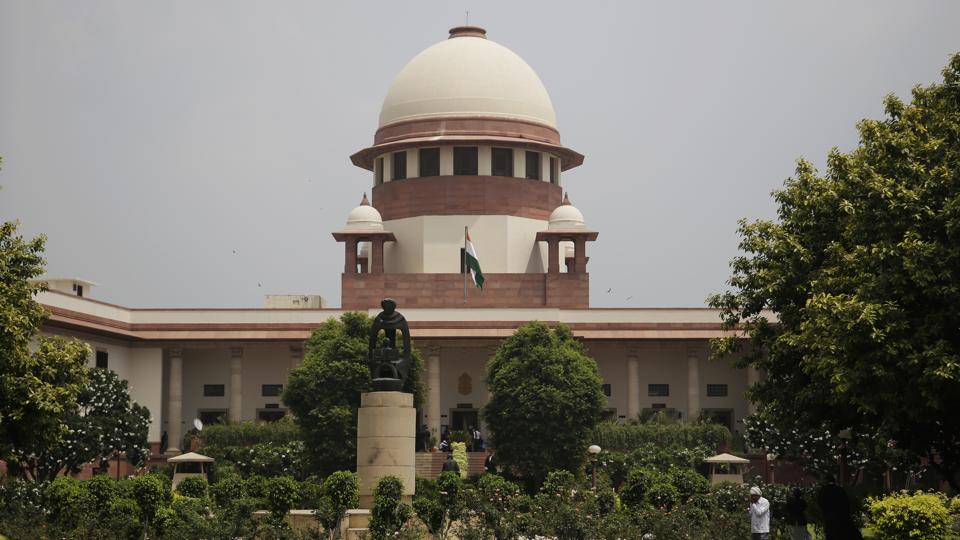
In the proceedings, the court appeared to favour more stringent regulation, saying that under the News Broadcasting Standards Authority (which typically sends notices and levies financial penalties for infractions), “chicken feed” punishments were being handed out. Still, any new law will have to be vigorously debated and carefully thought through with enough safeguards to prevent potential misuse or muzzling of the media.
This is not the first time the court has taken up the issue of hate speech. But, as pointed out in several petitions before, the root cause of the problem is the ad-hoc manner in which hate speech is dealt with in the absence of a clear statutory definition. Prosecution typically occurs under Section 295A of the Indian Penal Code, which is essentially an anti-blasphemy law, if the controversial speech pertains to religion. Otherwise, police use Sections 153A and B, which focus on maintaining social harmony and are vaguely worded. To remedy this, the law commission suggested the insertion of Section 153C (prohibiting incitement to hatred). To decisively rein in hate speech, it will have to be clearly defined, the top court will have to take these proceedings to their logical conclusion and the government will have to ensure stringent and fair implementation, without fear or favour.


