
 E-Paper



Decisively rein in hate speech
Authorities need to act against hate speech transparently but leave the politics out of it

 Prefer HTon Google


The Delhi Police announced this week that it registered cases against several people, including two former Bharatiya Janata Party (BJP) spokespersons whose controversial comments on Prophet Mohammed sparked a wave of international condemnation from many Muslim-majority nations. The Intelligence Fusion and Strategic Operations unit of the Special Cell confirmed that one FIR named suspended BJP spokesperson Nupur Sharma and another, ex-BJP spokesperson Naveen Jindal, politician Shadab Chauhan, journalist Saba Naqvi, politician Asaduddin Owaisi, right-wing leader Yati Narsinghanand, cleric Maulana Mufti Nadeem, among others. The complaint was filed under various sections for allegedly spreading hate messages, inciting groups and creating situations detrimental to the maintenance of tranquillity.
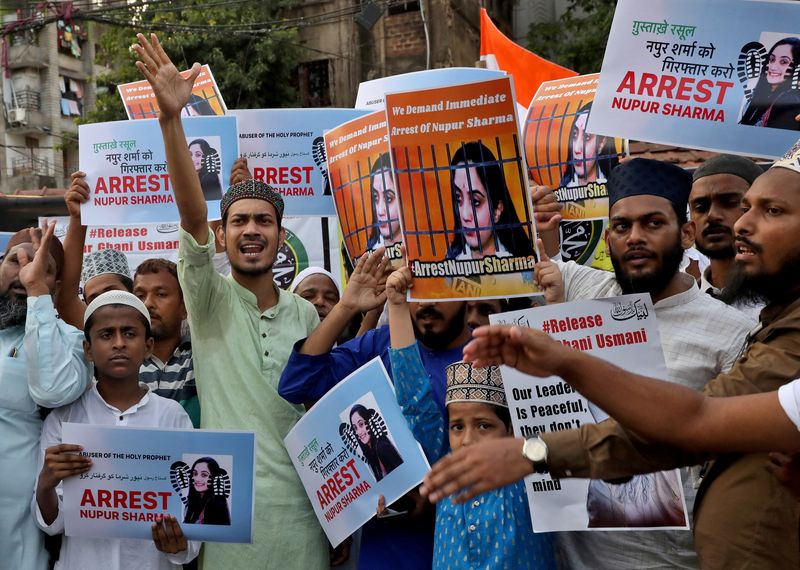
Fighting hate speech — particularly on social media that has become a swamp of barbs and illegal threats — is urgent. Hate speech, especially that directed at marginalised communities and genders, an individual’s faith, race or caste, undermines national unity. The recent controversy is testament to the damage that hate speech can inflict if left unchecked, or fanned for narrow political or sectarian considerations. But at the same time, any action by the administration must be sound in logic, and backed by transparent, deliberative processes. At a time when law-enforcement agencies are under political pressure and struggling to assert their credibility and independence, care must be taken that action does not descend into competitive FIR filing by police forces in states. The dangerous implications of hate-filled rhetoric make it more urgent to ensure that neither such speech, nor the legal tools to fight it, becomes an instrument of partisan political retribution. In the Delhi Police action, for example, it remains unclear what some individuals did to fall afoul of the law.
India has a bouquet of laws, some with vague and expansive provisions prone to misuse, that are usually used to rein in extremist speech, but what it needs are clear guidelines for the police to act consistently against hate rhetoric, law enforcement agencies that are clear-headed and free of political bias, and action that is not only fair and in accordance with the law but also be seen to be so by the larger public. Any form of partisan or knee-jerk action only threatens to hurt the fight against a malaise that has the potential to chip away at the base of the Indian democracy, and, therefore, needs to be muzzled with strong, clear and transparent action.


