
 E-Paper



Ecostani | Vijai Sharma: Climate negotiator who once confronted Jairam Ramesh
Vijai Sharma was part of the team that negotiated the Kyoto Protocol and he was India’s negotiating team at Copenhagen climate conference in 2008

 Prefer HTon Google


India lost an erudite climate negotiator and Right to Information (RTI) campaigner in Vijai Sharma, former union environment secretary, who after retirement from the Indian Administrative Service (IAS) became an information commissioner. The career bureaucrat died in California, United States, on July 18, at an age of 74.
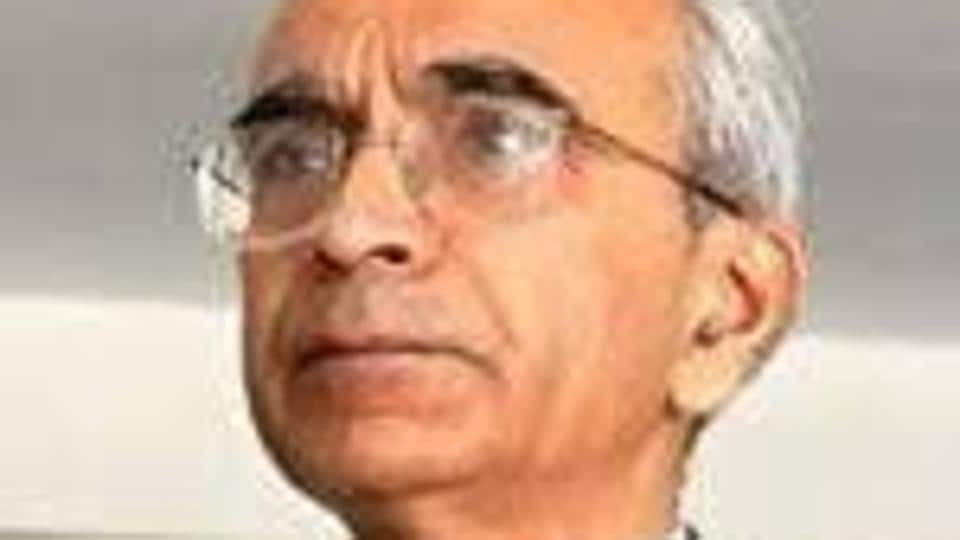
A 1974 batch IAS officer of the Uttar Pradesh cadre was not keeping well after the death of his wife, Rita Sharma, also 1974 batch IAS officer, who retired as secretary of rural development ministry, in October 2024. According to his family, he had gone to California to visit his son, Dhruv Sharma, where he suffered a stroke and died. He will be cremated in California on July 29.
Sharma, a LLM from Harvard University, held several important positions in the Centre and Uttar Pradesh governments. His longest association, however, was as India’s top climate change negotiator.
In his first stint with the environment ministry between 1995 and 2003, he was part of the team that negotiated the Kyoto Protocol, the first global climate agreement under the United Nations Framework Convention on Climate Change (UNFCCC) signed in the Japanese city in 1997.
His colleagues recalled how Sharma played an important role in framing the finer details of the protocol with negotiators from various countries, which for the first-time enforced emission reduction targets for the developed world and provided financial assistance to the developing countries to check growth of their emissions under UNFCCC principle of common but differentiated responsibility (CBDR).
“He ensured that the voice of the developing world is heard and gets adequate space in the Protocol,” former environment secretary Pradipto Ghosh once said about him.
The important aspect of the protocol was the Clean Development Mechanism (CDM) that provided international funding for several of India’s hydro-electricity projects and afforestation efforts. The protocol of which India and China were the biggest beneficiaries ended with the Paris climate agreement coming into force in 2020.
In 2002, he ensured roaring success for the first Conference of Parties (COP) meeting under UNFCCC in New Delhi as head of the organising team and an important negotiator.
As the environment secretary between 2008 and 2010, Sharma led India’s negotiating team at Copenhagen climate conference in 2008 where over 100 heads of the states participated.
Although the conference failed to reach an agreement, Sharma as India’s lead negotiator ensured the country did not fall for “unprecedented” pressure from the developed world and played an important role in preparing the first draft of the new climate agreement, which was eventually signed in Paris in 2015.
Among the journalists covering the Copenhagen climate conference was his daughter, Betwa Sharma.
One night at about 10.30 pm local time, after a long hectic day of negotiations, he walked into the media room and like a concerned father asked Betwa whether she had eaten and why she had not gone to her hotel. And when Betwa asked him what happened at the negotiations, he just picked his bag, asking her to leave for her hotel room, and left.
A soft-spoken bureaucrat, he never lost his cool, and was upfront with his political bosses.
When environment minister under United Progressive Alliance (UPA) regime, Jairam Ramesh, at the Cancun climate conference said that the developed world should be allowed to verify emission control measures undertaken by the developing world, Sharma, then environment secretary, was among the first to protest. He said the minister had deviated from India’s official stand.
Subsequently, he retired from the environment ministry and was appointed as a member of the National Green Tribunal. Prime Minister, Narendra Modi, appointed him as information commissioner at the Central Information Commission and he headed the Information Commission from October till December 2015, where he delivered several orders upholding the citizens right to information
His ashes will be immersed in Ganga and the family will hold a prayer meeting at their house in Lucknow, said Betwa Sharma.


