
 E-Paper



Engaging with Myanmar junta
Delhi needs to be more proactive in nudging Naypyidaw to restore democracy

 Prefer HTon Google


The Indian government has watched with growing concern as the security situation in Myanmar has sharply deteriorated over the past year, especially after a largely successful military campaign by ethnic armed groups that have come together to take on the ruling junta. These concerns found expression in a statement issued last week by the external affairs ministry (EAM) on the third anniversary of the coup that brought the military to power in Myanmar. New Delhi said it is worried by the violence and instability in Myanmar, all of which have direct implications for India. Another concern for India left unstated by the EAM, has been the influx of thousands of refugees into Manipur and Mizoram following the military campaign by three powerful armed groups that resulted in the capture of key towns and trading posts on the borders with India and China.
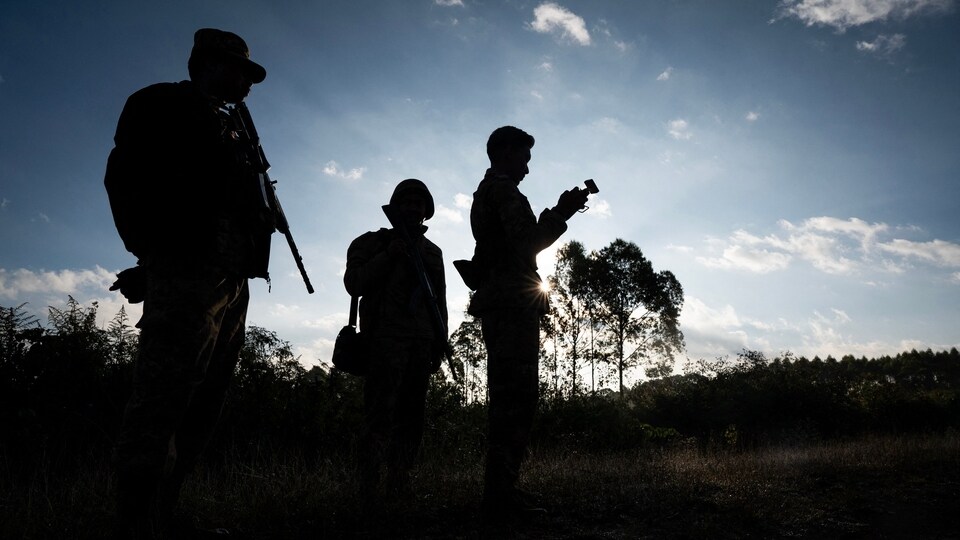
Over the past year, the Indian side has appeared to struggle to fashion a suitable approach to these developments. It had largely stuck to engaging with the junta while avoiding any overt criticism of the military’s actions, which have become increasingly indefensible in recent months. While responding to the campaign by resistance forces, Myanmar’s junta has resorted to indiscriminate air strikes that have resulted in civilian casualties. Indian experts and commentators have been urging the government to review its policy and underscoring the need to reach out to the National Unity Government or the government-in-exile created by political parties as well as the armed ethnic groups, especially those based in Sagaing and Rakhine as their activities have a direct bearing on security in India’s Northeast.
India has publicly called for a complete cessation of violence in Myanmar and a transition towards an inclusive democracy through dialogue. However, peace remains elusive, with the junta desperate to cling to power and the ethnic armed groups unlikely to back down. The Indian side’s approach has been influenced by concerns about pushing the junta closer to China, which has brokered a ceasefire in areas along its border. In the current circumstances, India’s actions should be guided by the needs of the people of Myanmar, who are grappling with rampant inflation, an economic meltdown, an energy crisis and near-total erasure of economic gains made under civilian rule. India should be more proactive in nudging the junta to restore democracy, which will also help to check China’s influence over the military.


