
 E-Paper



How to tackle hate speech
The Supreme Court’s disapproval of religion in politics will need a new compact to work

 Prefer HTon Google


In January 2017, seven judges of India’s highest constitutional court delivered a landmark verdict that hinged on the judicial interpretation of just one word in the country’s electoral law. By a narrow majority of 4-3, the bench led by then Chief Justice of India TS Thakur held that the word “his” in section 123(3) of the 1951 Representation of the People Act — which bans appeals made by a candidate to vote or refrain from voting for any person on the ground of “his” religion, race, caste, community or language — referred to the candidate, his agents, voters, and anyone associated with the polls. Therefore, the judges said, India’s electoral laws didn’t allow religion, race, caste, community or language to play a role in the electoral process and that the election of a candidate would be declared void if an appeal was made on these considerations.
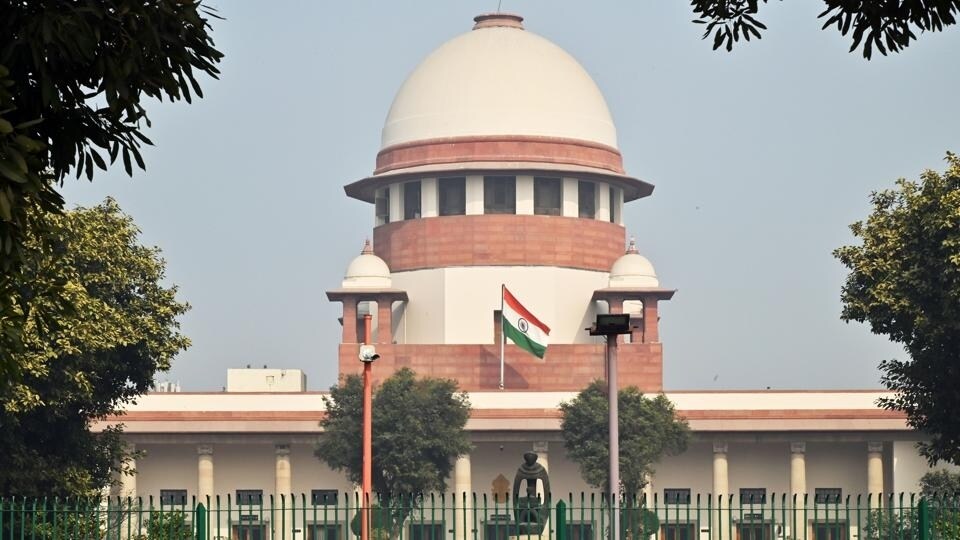
Of course, these guidelines are observed more in breach, and the role of caste and religion in Indian elections has endured, if not grown stronger. But the 2017 verdict forms an important backdrop against which the top court observed on Wednesday that there was an urgent need to segregate politics and religion, and that once this was done, the problem of hate speech would end. Seen from this vantage point, the top court’s stand on the use of religion in political speeches has remained the same – one of strong disapproval – but the judges have now sought to expand its scope beyond formal election campaign speeches.
Three issues merit notice. The first is that the absence of a formal legal definition of hate speech puts too much discretion in the hands of the executive and law enforcement machinery and opens the door for political influence. It also hobbles any effort to tackle the perpetrators of hate speech in a court of law. Two, not all instances of hate speech in India have had overtly political motives, and not all of them have been delivered by politicians. Often, fringe religious elements have also sought to rake up tensions for narrow vested interests. And three, even for hate speech related to politics, the electoral incentive is too strong for any statute to act as a deterrent. This is why faith-based poll appeals persist, and why hate speech thrives — because it appears to have electoral salience and appeal. To combat this will require iron political will, a compact between various parties on campaign laws, and strict enforcement of legal deterrents. Unfortunately, India’s current fragmented political arena holds out little hope for such an eventuality.


