
 E-Paper



In Sri Lanka, the crisis is not over, yet
Despite a desire to see a speedy turnaround in the situation in Sri Lanka, India could be hard pressed to do more to help the island nation under the prevailing circumstances.

 Prefer HTon Google


Sri Lankan parliamentarians have placed the onerous task of pulling their country out of its worst economic crisis and restoring order and stability squarely on the shoulders of Ranil Wickremesinghe, who was elected the new president more because of the support he enjoys from former President Gotabaya Rajapaksa’s party (which has a majority in Parliament) than his economic credentials and his role in past economic reforms. His election could mean a continuation of the popular uprising in the island nation (in some form), which faces significant economic (it has defaulted on its foreign debt) and other (shortage of food and fuel) challenges. It is worth noting that the protesters who forced former president Rajapaksa out of office and into self-exile also sought the resignation of Mr Wickremesinghe from his earlier post of prime minister.
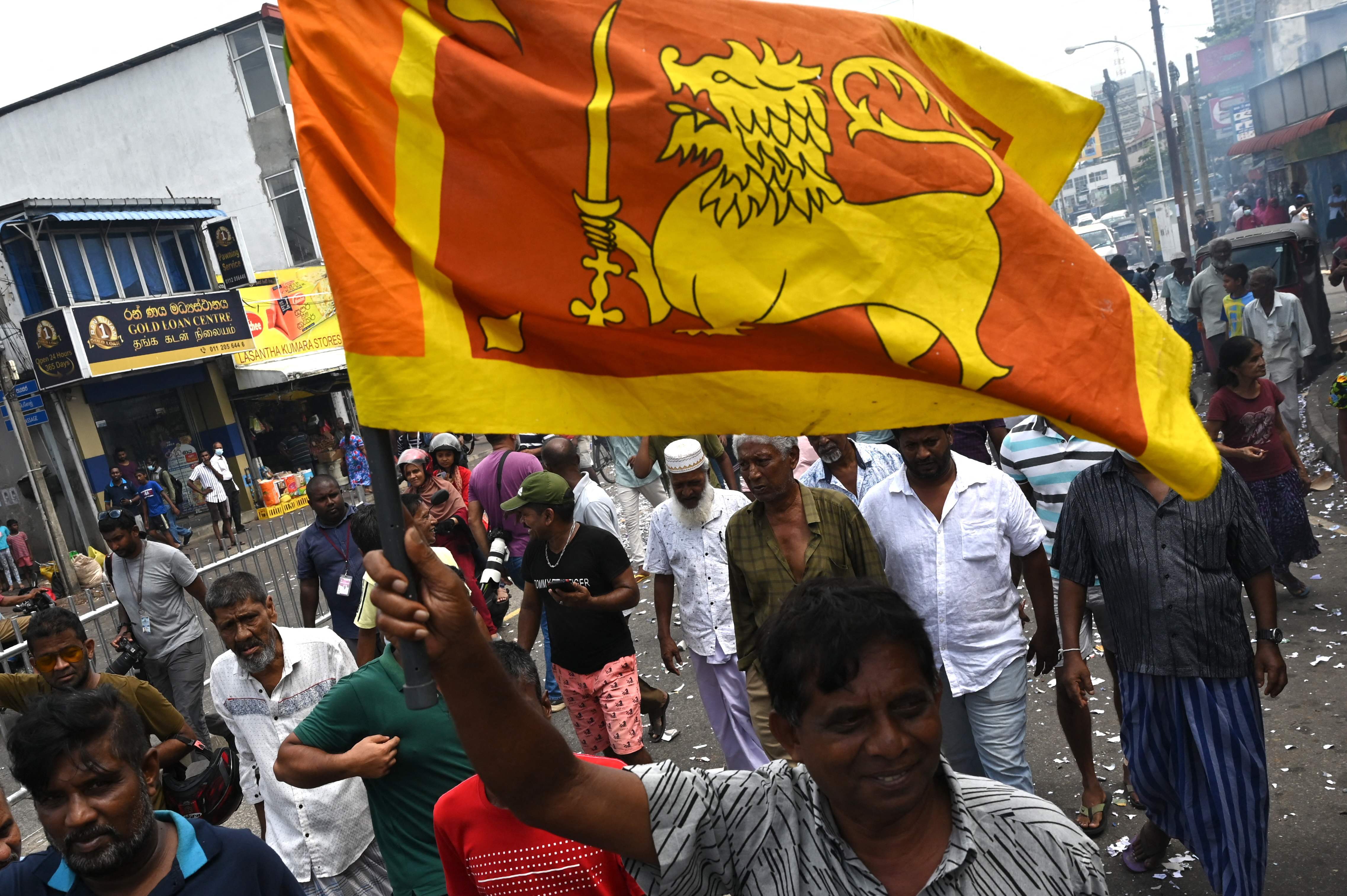
Still, any further political instability at this stage will not bode well for Sri Lanka’s efforts to negotiate a bailout package from the International Monetary Fund (IMF). There is also the more immediate problem of accessing bridge financing till the IMF package is in place, which could be several months down the road. Sri Lanka occupies a crucial place in India’s Neighbourhood First policy, reflected in the economic assistance of $3.8 billion provided by New Delhi since the start of the year. The situation in the island nation also has a bearing on domestic politics in Tamil Nadu. Despite a desire to see a speedy turnaround in the situation in Sri Lanka, India could be hard pressed to do more to help the island nation under the prevailing circumstances. The crisis is not over, yet.


