
 E-Paper



Making peace, building trust
Modi and Xi's revival of mechanisms to address the boundary dispute marks a hopeful start, but challenges remain in rebuilding trust and ensuring stability.

 Prefer HTon Google


The decision by Prime Minister Narendra Modi and Chinese President Xi Jinping to revive a host of mechanisms to address a long-standing boundary dispute and to normalise bilateral relations should be seen as a good beginning, coming days after an agreement on patrolling arrangements aimed at ending the military standoff along the Line of Actual Control (LAC) that began more than four years ago. The face-off in eastern Ladakh, involving more than 100,000 troops from both sides, did more than any other incident, barring the border war of 1962, to drive the India-China relationship to its lowest point. It is also significant that Modi and Xi held a bilateral meeting after almost five years, with the Indian side using the opportunity to make it clear that maintaining peace and stability on the border should remain the priority, and that mutual trust, mutual respect, and mutual sensitivity should guide the relationship.
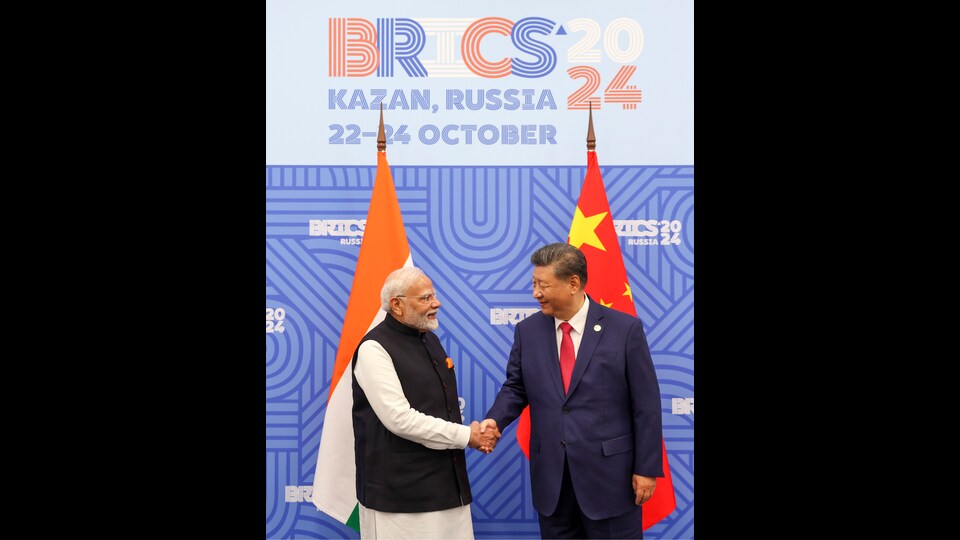
But this is just the beginning, and a process must now follow to bring the relationship back on an even keel and to address the massive trust deficit created by the standoff. Given China’s reluctance to even refer to the latest understanding as an agreement, it is in the interest of both sides to make public the components of this deal, and exactly how it will impact India’s ability to conduct patrols at Depsang and Demchok, the two outstanding “friction points” in eastern Ladakh. There is also the issue of “buffer zones” that were created at Pangong Lake, Galwan Valley, Gogra, and Hot Springs amid the standoff, and India’s stated aim of returning to the status quo as of April-May 2020 will not be achieved if these are allowed to remain. As several experienced China hands have pointed out, the devil is certainly in the details of the understanding reached by the two sides. The same quiet and behind-the-scenes diplomacy that helped achieve the agreement should be used to address these issues.
As for the overall relationship, India can’t afford to return to business as usual, given China’s track record of handling border disputes across the region. There are other issues as well, such as Beijing’s continuing efforts to deny New Delhi a seat at the high table at various global governance bodies, the asymmetry in trade, and the fallout of great power contestations involving China. India will have to cooperate with China in certain areas, but it must keep its powder dry and prepare for the long haul in its own interest.


