
 E-Paper



Manage privatisation, with political finesse | HT Editorial
This includes reaching out to all political and economic stakeholders — from Opposition parties to trade unions. It includes building a strong intellectual case for privatisation — while reassuring those who fear that they will bear the brunt of the consequences of reforms


A key government initiative this year will be the proposed privatisation of public sector enterprises, while the State will confine itself to the bare minimum presence in strategic sectors. Coupled with the monetisation of assets, as proposed in the budget, this will herald a major change in India’s political economy, where, over time, the State will retreat from directly managing companies and assets and confine itself to a broader regulatory and oversight rule. This newspaper supports the privatisation drive and believes that it is not the State’s business to be in business. There was a historical context for the government to invest in public sector enterprises in the initial decades after Independence, but that era is long over.
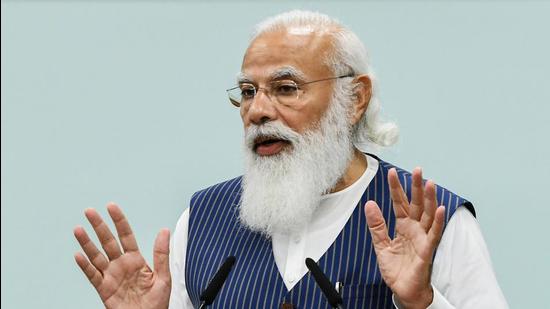
But it is important to recognise that privatisation is not merely an economic decision — it is squarely within the realm of politics. It is tied to questions about the nature and responsibility of the State, the future of employees in units which are meant to be privatised, and the future economic implications in sectors which move into private hands. And that is why it is crucial to manage this much-needed process of privatisation with political finesse.
This includes reaching out to all political and economic stakeholders — from Opposition parties to trade unions. It includes building a strong intellectual case for privatisation — while reassuring those who fear that they will bear the brunt of the consequences of reforms. And it includes keeping a flexible outlook and be willing to engage in negotiations rather than adopt an absolutist attitude. As the controversy over farm laws shows, economic reforms are deeply contentious now and the role of the private sector continues to be viewed with suspicion. The government must be transparent and consultative, while the Opposition must be responsible and not engage in mindless obstructionism of sound policy initiatives.


