
 E-Paper



Monetary policy shows the economy’s resilience
India’s economy is resilient enough to weather even large cyclical disruptions. Barring China, no other emerging economy can claim to have such a buffer

 Prefer HTon Google


The war in West Asia is now in its sixth month. Maritime traffic in the region, and, therefore, energy supplies that flow through it, continue to be disrupted. Economic activity, including in India, continues to suffer. And Donald Trump continues to hold the global trading order hostage to his whims.
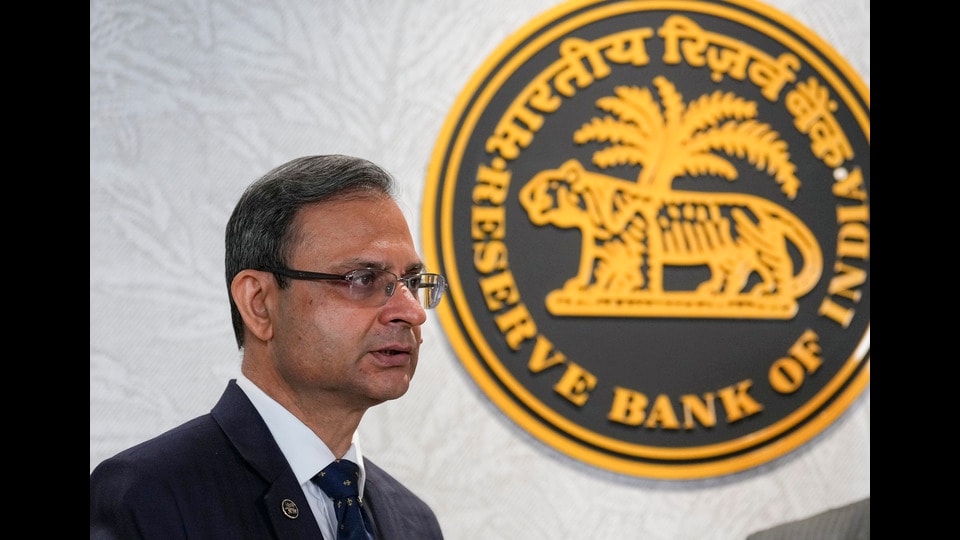
Despite such a grim environment, India is expected to clock a 7% growth rate in the first quarter of FY27, RBI’s Monetary Policy Committee (MPC) said in its resolution released Wednesday. Even inflation, while higher compared to the past, is lower than expected -- largely confined to food and fuel due to supply-side disruptions. The annual growth and inflation forecasts have seen a favourable revision of 10-basis points compared to June and now stand at 6.7% and 5%. The external balance situation, despite possible sliding in the merchandise trade balance, is likely to stay comfortable. All this is certainly good news. It justifies MPC’s decision to wait and watch rather than make any changes to the state of play of monetary policy.
What it underscores is the inherent strength of the Indian economy. It is resilient enough to weather even large cyclical disruptions. Barring China, no other emerging economy can claim to have such a buffer. These strengths, however, should not blind us to larger structural challenges the economy faces. With the global environment headed towards turbulence that could last for years, India must work harder to find growth boosters beyond what current levels of domestic demand can offer. The country’s demographic weight entails that it cannot become complacent as the fastest-growing economy globally and must aspire to grow even faster. That, to be sure, is not the mandate of MPC, but a larger policy challenge.


