
 E-Paper



Omicron: The ideal response
The first two waves of the pandemic have significant learnings for India. Use them well to fight the variant

 Prefer HTon Google


India has thus far not seen the kind of surge in cases countries such as the United Kingdom and Demark have on account of the Omicron variant of the Sars-CoV-2 virus; nor has Omicron (on available evidence) become the dominant strain of the virus. While high levels of prior exposure (as indicated in seroprevalence surveys that test for antibodies) may help, it would be foolhardy to assume that India will magically be protected from what’s happening in other parts of the world. The variant has made its presence felt in eight states and Union Territories (till Tuesday evening). And while the number of cases in India has just crossed 50, it is only a matter of time before this increases.
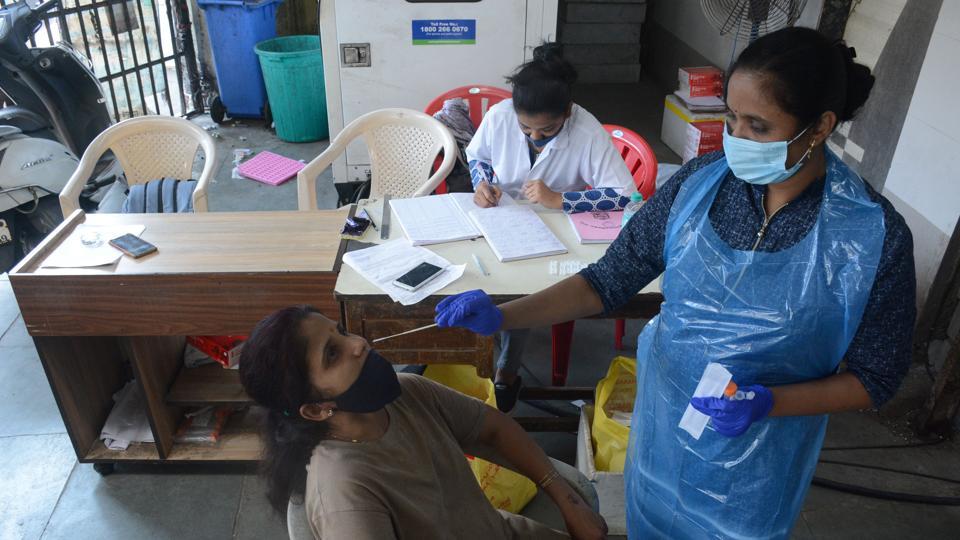
Based on the country’s experience in the first two waves of the pandemic, here are five pointers to an ideal response. One, if there ever was a time for the test-trace-isolate mantra, it is now. People arriving from other countries must be tested; the contacts of anyone testing positive for the variant have to be traced; and infected as well as exposed individuals should be quarantined. Two, the number of viral genomes being sequenced must be enhanced. Given the low volume of cases, most samples returning a positive result for the virus can be sequenced. If cases increase, smart sampling can ensure that a representative population of samples is tested. Three, the country should immediately approve a booster dose for those who are fully vaccinated. And while an expert panel may be suggesting a mixed dose, availability should trump that — put otherwise, since Covishield was the mainstay of the country’s vaccine programme, and around 250 million doses of it will be available every month, it should be the preferred booster shot. Four, the country should also immediately expand its vaccination programme to at least include children between the ages of 12 and 18. Younger children, who are not so much at risk, can wait. And five, governments and people should remember what happened between the first wave and the second, and avoid becoming complacent. Masking, social distancing, and ventilation are key to preventing or slowing the spread of the virus.
Restrictions of any kind — on mobility, offices, schools, travel (both domestic and international) — are not really needed if these five measures are followed, even as we otherwise prepare for the worst by getting hospitals ready, ensuring adequate supplies of medical oxygen, and building buffer stocks of medicines, both old and new. And, of course, we should hope for the best.


