
 E-Paper



Pegasus: Truth must come out
Ambiguity on the spyware’s use is untenable. Surveillance reform must fix accountability

 Prefer HTon Google


A Supreme Court (SC)-appointed committee did not find evidence that the military grade spyware Pegasus was used on Indian citizens. Following its appointment on October 28 last year, the committee carried out technical analysis on 29 devices people volunteered to turn in. Five of these had some malware but it could not be deduced whether it was Pegasus, the judges said this week citing the panel’s report. The scrutiny and its outcome mean India is none the wiser than it was a year ago, when deeply worrying allegations around the spyware first trickled in. At least 300 Indian phone numbers were among 50,000 global targets, including those of politicians, judges, journalists and human rights defenders. An independent analysis found the devices of at least 10 Indians to have been infected.
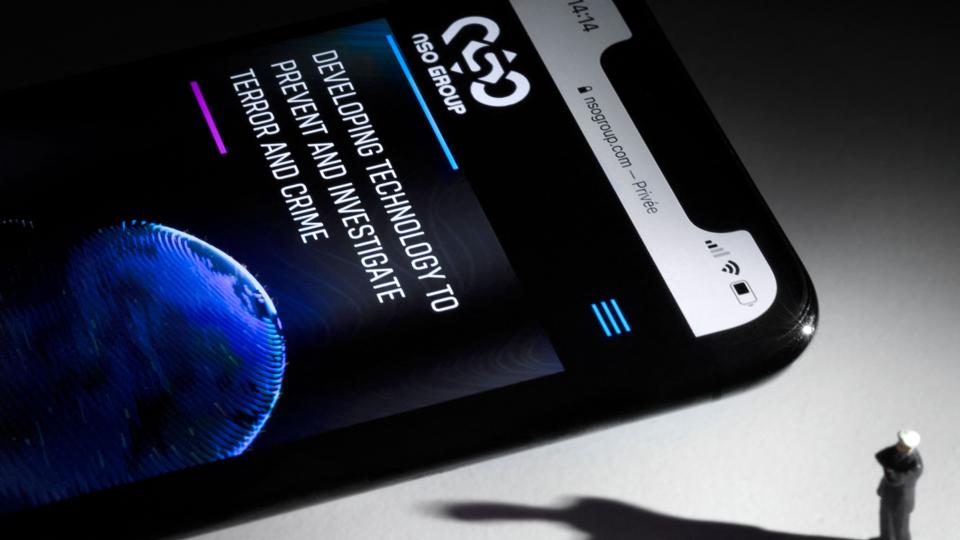
A key role here is of the government. Citing the panel’s report, the SC bench, led by Chief Justice NV Ramana, said the government did not cooperate with the scrutiny. It maintained the stand it took during the court hearings last year, when it cited national security to deny any information on whether it bought or used the tool. While it may be the Centre’s prerogative on how it engages with independent, even judicial commissions, it raises questions of propriety, especially since Pegasus is no ordinary spyware product. Its Israel-based maker NSO Group has maintained it only sells to vetted government clients for law enforcement and intelligence work, and the sales are monitored by Tel Aviv’s export control protections.
It has become untenable for countries to stay silent over Pegasus. At least 34 nation-States are believed to have either carried out targeting or their prominent citizens, including heads of state, have been targets. Spain went to the extent of sacking its spy chief and confirming the Pegasus reports as true, as did Finland. India is now at a crossroads where it can either choose a path of opacity, or use this controversy for meaningful surveillance reforms. The commission has recommended existing surveillance laws incorporate the historic Right to Privacy ordered into existence five years ago, cybersecurity laws be enhanced, and a recourse mechanism be created for targets of illegal snooping. Surveillance, undoubtedly, is often a national security imperative. But there must be iron-clad protections and accountability so that even when used in exceptional circumstances, such tools respect the most important word in the country: that of the Constitution.


