
 E-Paper



Relationship on the mend
Wang Yi’s visit resulted in substantive outcomes. New Delhi & Beijing must consolidate the gains

 Prefer HTon Google


The latest engagement between top Indian and Chinese leaders has taken on added significance because of Prime Minister Narendra Modi’s upcoming visit to China for the Shanghai Cooperation Organisation (SCO) Summit against the backdrop of considerable strain in India-US relations, and also because of the substantial outcomes it produced, ranging from new measures for delimiting and managing the disputed border to the reopening of border trade points and resumption of direct flights at the earliest. Chinese foreign minister Wang Yi’s meetings with national security adviser Ajit Doval and external affairs minister S Jaishankar in Delhi were marked by an acknowledgement on both sides of progress in normalising relations after a difficult period, when ties hit an all-time low over the standoff at the Line of Actual Control (LAC), and of the need for a more constructive approach to move forward, especially in the area of trade. When Wang called on him, the Prime Minister underlined that “stable, predictable, and constructive ties between India and China will contribute significantly to regional and global peace and prosperity”.
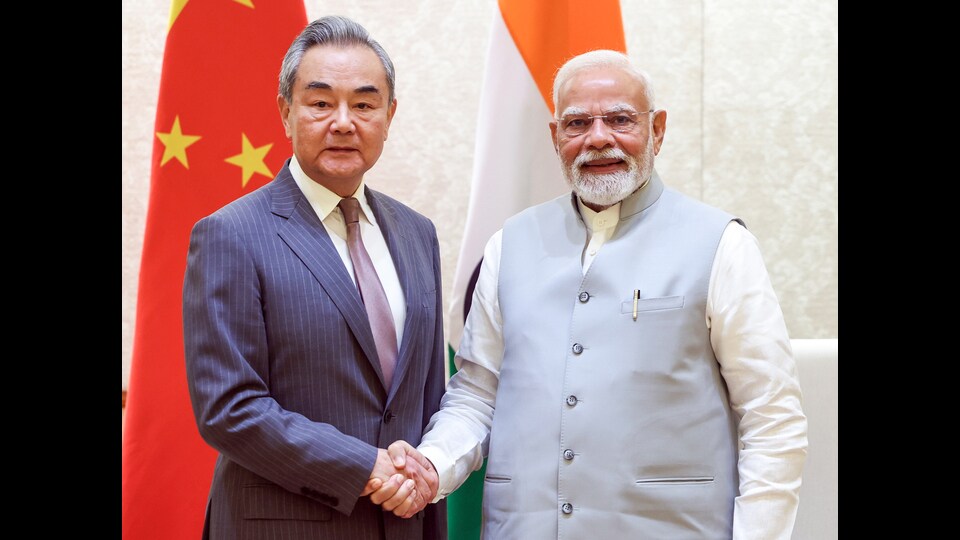
There are already signs that China is addressing India’s concerns related to import restrictions on rare earth minerals and fertilisers, which have had far-reaching implications for India’s manufacturing and agricultural sectors. Compared to the position the two countries were in at this time last year, there has been substantive progress in the overall relationship. In all this, India will do well to maintain its pragmatic approach without losing sight of sensitive issues. New Delhi, in fact, raised its concern about “terrorism in all its forms and manifestations, including cross-border terrorism”. Wang is expected to travel to Islamabad for a strategic dialogue shortly. Jaishankar also conveyed India’s concerns about China’s proposed mega dam that can affect flows in the Brahmaputra and emphasised the need for transparency in this regard.
The current urgency on the part of Beijing and New Delhi to normalise their relations also owes to the uncertainty brought on by US President Donald Trump’s arbitrary trade policies. However, it also serves China’s interests to reduce tensions with India so that it can focus on larger issues, especially given the country’s sluggish economy. In this context, Modi’s visit to China will be crucial as it will set up a bilateral meeting with President Xi Jinping, only the second since the end of the border standoff. Both sides will be looking to this meeting to set the tone and tenor of relations in the coming months, including more confidence-building measures and bilateral engagements to address the border and other issues.


