
 E-Paper



SC must protect women’s rights
It is important to clear the air on this issue because the right of women to bodily integrity and autonomy is both a cherished constitutional right and at the core of a progressive and just society

 Prefer HTon Google


A seven-year-long legal battle to criminalise marital rape in India hit a roadblock this week after the Delhi high court delivered a split verdict on a batch of petitions asking for the removal of an exception in India’s rape laws exempting husbands from prosecution for non-consensual sex with their wives.
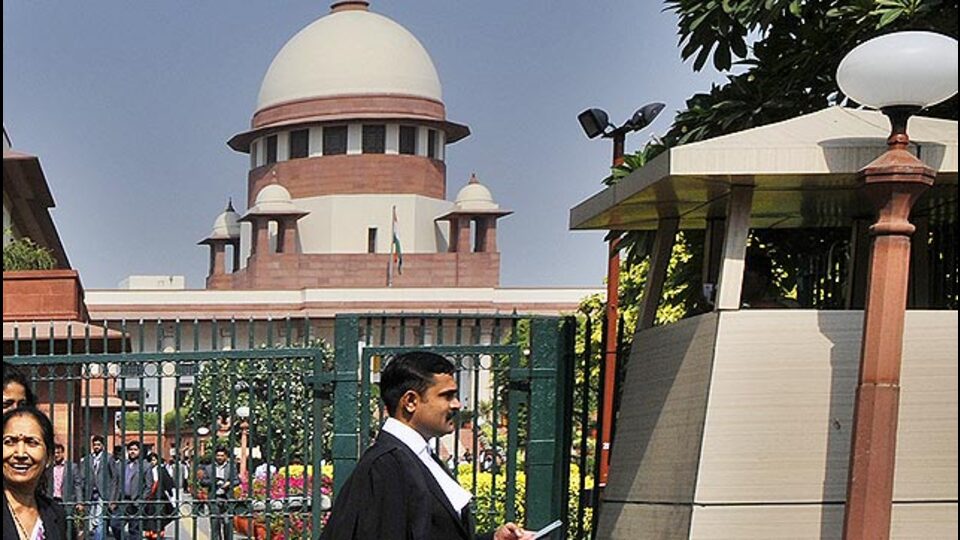
In their written judgments, the two judges – justices Rajiv Shakdher and C Hari Shankar – presented diametrically opposing views on two important questions: Whether the question of a woman’s consent was paramount even within the institution of marriage and whether the architecture of reciprocal rights within a marriage could triumph a woman’s right to seek redressal in criminal rape laws. Justice Shakdher held that the firewall created around non-consensual sex for married men was not constitutional and any expectation of sex in a marriage couldn’t triumph a woman’s right to bodily autonomy and morph into a “unfettered right to sex”. Justice Shankar, on the other hand, held that the institution of marriage was different from all others and carried a “legitimate expectation of sex” and bringing the possibility of the husband being convicted as the wife’s rapist would be “antithetical” to that institution.
These differences appear irreconcilable and it is now up to the Supreme Court to adjudicate the matter. This is significant because judgments from some high courts on the issue have been contradictory – the Karnataka high court this year denied a husband protection from prosecution, the Kerala high court ruled last year that marital rape is valid grounds for divorce, but the Chhattisgarh high court held last year that non-consensual sex with the husband was not rape.
It is important to clear the air on this issue because the right of women to bodily integrity and autonomy is both a cherished constitutional right and at the core of a progressive and just society. It is untenable that violence against women be condoned on a technicality arising from colonial logic and puritanical norms, and it urgently needs to be deliberated by the highest court in the land. Judges must note that India is among a handful of countries that continue to hold on to the marital rape exception and that the United Kingdom, from where it originated, scrapped it decades ago. They must also see government data that says a third of married women experience physical and sexual violence at the hands of their spouses. To say these women should have no legal recourse because of outdated notions about preservation of marriage is antithetical to constitutional protections and a modern society. The top court must affirm their rights.


