
 E-Paper



Stubble of discomfort
The Supreme Court has identified the problems, but containing air pollution can’t continue to be a seasonal tactic

 Prefer HTon Google


Earlier this week, the Supreme Court (SC) rightly identified paddy stubble burning as a factor that contributes to pollution in Delhi at this time of the year, directing states to launch a crackdown. Reports suggest officials in Punjab, where the practice is most prevalent, have finally begun lodging police cases on Thursday. Farmers have long been urged to abandon the practice but have refused because it does not make economic sense to them. The problem, it must be remembered, is unique to Punjab and Haryana even among paddy-growing regions in the country. Here, farmers use what is known as a combine harvester. These machines snip off the grainy part of paddy and leave behind a roughly 30-cm stubble. In regions (such as the southern states of Odisha and Tamil Nadu) where farmers harvest paddy by hand, there is little stubble to tackle.
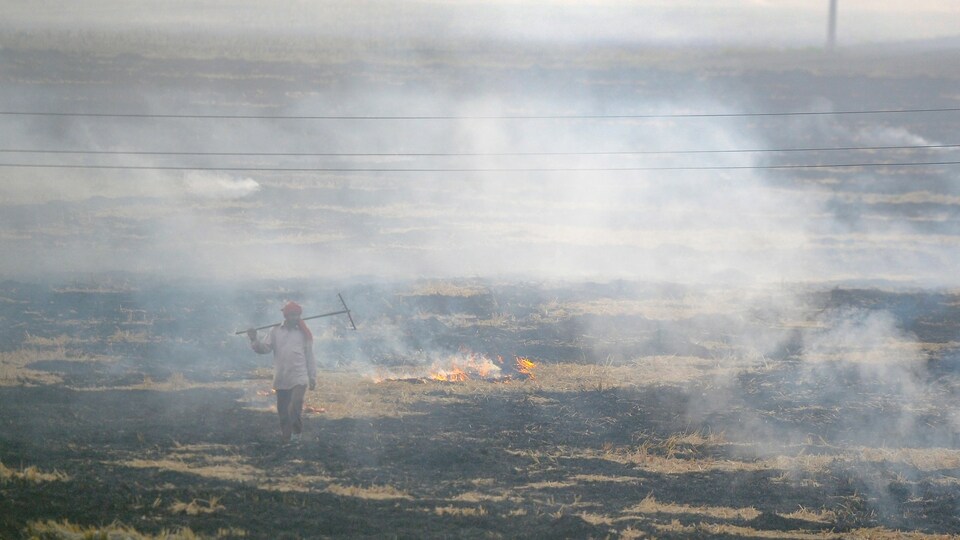
The solution, thus, lies in two areas: Bringing machines that do not leave behind such stalks (or can seed the next crop through them), or moving away from paddy itself. There is already an effort underway to do the first — governments offer cash subsidies for farmers to be able to buy or rent machines that can get rid of stubble or remove the need to prepare the seedbed. But this has hardly made a dent in the practice. Ultimately, it is still cheaper and more convenient for farmers to simply burn fields with stalks than rent or buy those machines.
This is where the SC’s suggestion — which included abandoning the minimum support price for paddy procurement that guarantees farmers a profitable return — holds significant value. But dropping paddy from the MSP basket may not be politically palatable. Therefore, a long-term solution could be offering lucrative MSP in other crops – the top court rightly suggested millet — to help farmers transition away from paddy. In other words, it is neither a matter that can be addressed by policing, nor is it a topic that India’s policymakers, citizens, media, and even courts can afford to talk about only when the situation has become unsalvageable. The crackdown, only in the second week of November, comes when most of the farms have been cleared. The answer lies in formulating a new, perhaps geographically differentiated, farm subsidy policy and associated law-making. And concern about the environment has to be a priority throughout the year, not just during October and November, when foul air starts to choke everyone in the Capital.


