
 E-Paper



Taliban in Kabul: A year on, challenges remain
India should stick to its stated position that the focus will be on the Afghan people, including meeting their growing needs for food and medical care, and a more liberal visa regime, while it works to safeguard its national security interests

 Prefer HTon Google


A year on from the power grab by the Taliban in Afghanistan, the two words that sum up the situation in a country blighted by decades of conflict are insecurity and uncertainty. The Taliban regime has sought to send out a message that it is in control, that things are improving and that the level of violence has decreased. But the world still gets occasional glimpses of the realities that ordinary Afghans are grappling with – such as heavily armed Taliban fighters firing in the air to break up a protest on Saturday by women demanding “bread, work and freedom”, or the near-complete reversal of two decades of reforms, especially the rights of women and girls and ethnic and religious minorities. If the level of violence has fallen, it is largely because the Taliban’s fighters are no longer out in the field.
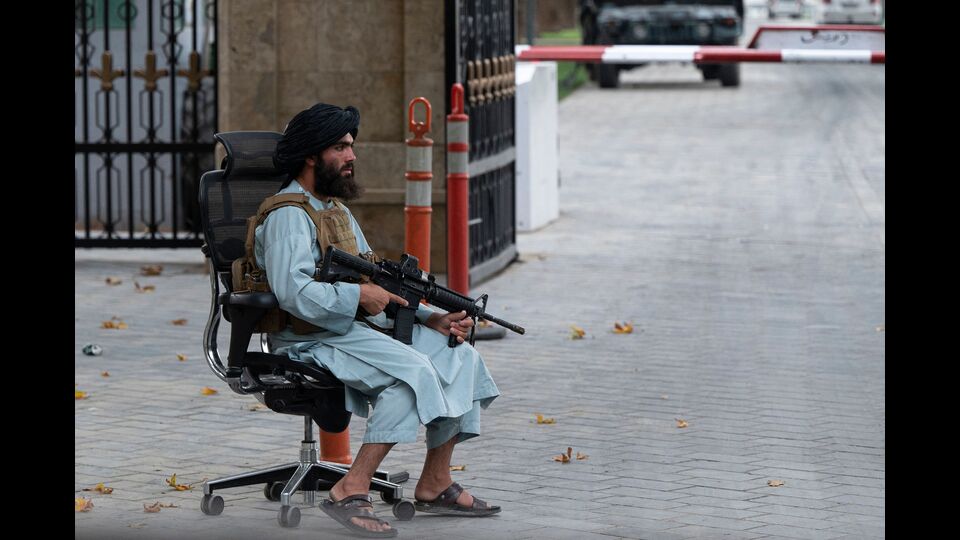
Another area in which the Taliban have spectacularly failed to deliver is their counter-terrorism commitments. When the United States finally hunted down and killed al-Qaeda chief Ayman al-Zawahiri, he was found in a house in central Kabul owned by top aide to Taliban deputy leader and interior minister Sirajuddin Haqqani. The presence of thousands of foreign fighters, including Pakistani terrorists, will only harden the position of Western states on the lifting of a freeze on Afghanistan’s assets abroad.
India recently re-established a diplomatic presence in Kabul to ensure it was not squeezed out of the picture at a time when China and Russia are increasing their influence in Afghanistan. While it is necessary to keep channels of communication open with the regime in Kabul, India should stick to its stated position that the focus will be on the Afghan people, including meeting their growing needs for food and medical care, and a more liberal visa regime, while it works to safeguard its national security interests.


