
 E-Paper



The OBC factor in local polls
Parties across the spectrum are asking for OBC quotas in local polls, pointing to deeper shifts in electoral politics at the grassroots

 Prefer HTon Google


Maharashtra, Madhya Pradesh (MP), Odisha, Bihar, and now Uttar Pradesh (UP). State after state has faltered in the judicial test in their rush to extend reservations for other backward classes (OBC) in local body polls, underlining the political urgency attached by governments cutting across the party and ideological spectrum to this issue. MP managed to get its quota move approved by the Supreme Court, as did Bihar. Other states (such as UP, which has said that it will not hold urban local body elections without reservations for backward groups) may have to follow the same route, highlighting the political importance attached to the issue by all parties.
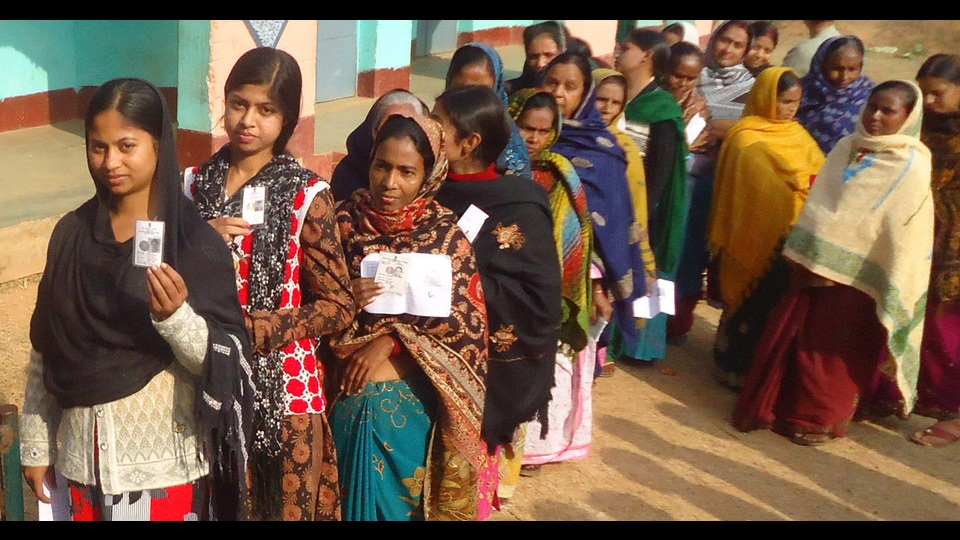
The court’s position on the issue is that it has no fundamental objection to the extension of reservation in local body polls but has laid down a clear three-step rule: A dedicated commission to conduct a rigorous empirical inquiry into the nature and implications of the backwardness with respect to local bodies, specifying the proportion of reservation in light of the commission’s proposals, and not exceeding the 50% quota cap as laid down in the 1992 Indra Sawhney judgment. The haste shown by parties in pushing the move through indicates that it is not just meant to empower backward groups at the grassroots level. With reservations increasingly being wielded as a political weapon to paper over cleavages and tensions emerging from the social and economic churn, the push for OBC quotas is also a political signal by parties to a powerful vote bank.
The current moment for OBC politics is as significant as the turbulent 1990s when backward groups first displaced upper caste communities from positions of power in the heartland. Backward communities today wield tremendous political influence, are a key swing demographic in elections, and are the magic sauce in the Bharatiya Janata Party’s rainbow Hindu coalition. Yet, there is scant evidence of this political heft translating into social, economic or cultural gains. It is precisely this dichotomy that forms the backdrop against which local political reservations are coalescing into demand in state after state. A more diverse grassroots governance structure is good for India’s democracy. Yet, the manner of expanding reservations raises questions about whether this is a symbolic political move. Experiences with reservations for women and scheduled castes (SCs) and scheduled tribes (STs) have shown their tremendous potential and susceptibility to be co-opted by entrenched interests. Governments would do well to gather evidence on the impact of backward quotas in local bodies. With the political heft of backward groups only set to rise and demands for a caste census mounting, it will also be important to see whether local body quotas are setting the momentum for expanding political reservations beyond SC and STs on the national stage.


