
 E-Paper



Understanding the heat better
IMD’s move to publish a heat index is good; it will impact policy, especially for poor workers

 Prefer HTon Google


The deepening effects of the climate crisis are throwing traditional models of climate prediction awry and underlining the need for more sensitive mitigation and adaptation plans. The India Meteorological Department (IMD) took a step forward in responding to this trend this week, announcing plans to issue heat index (HI) readings for weather stations by calculating “real feel” heat index. This is a much-needed step. As this newspaper has noted before, understanding the extent of discomfort being felt by an individual needs to factor in relative humidity, wind speed, maximum temperature, and cloud cover. Measures of heat index and wet-bulb temperature (a combined measure of heat and humidity) — which were published in HT every day last summer — provide a more nuanced understanding of the impact of heat than what bald readings of temperatures can manage. For example, even when the maximum temperature is around 40°C — considered high but not abnormally so for Delhi — a higher-than-usual humidity can push the wet-bulb temperatures to levels dangerous even for healthy people.
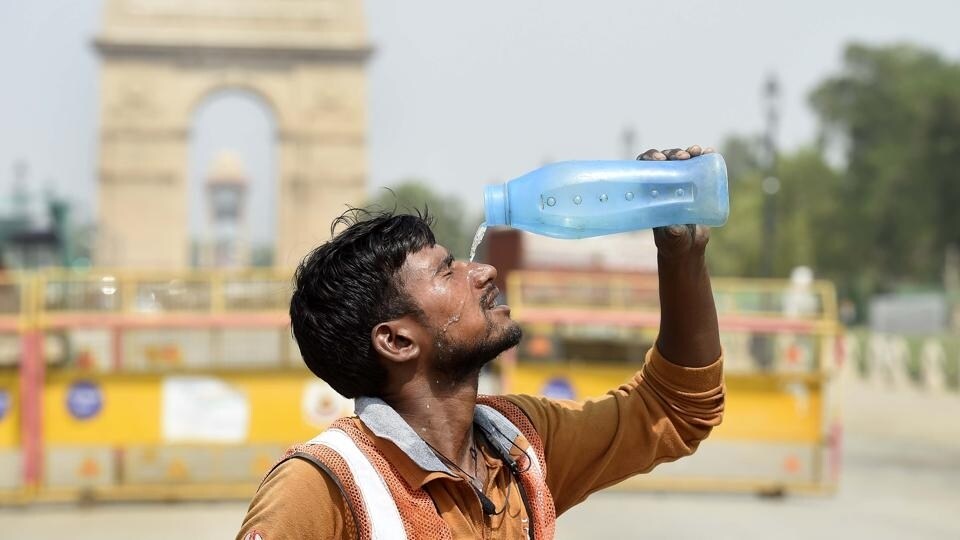
This has two major implications for governance. The first is for outdoor workers. The World Bank estimated last year India could account for 34 million of the 80 million jobs lost globally due to heat stress. New policies will have to be put in place for the 231 million workers who must work outdoors. Since most of them have limited incomes, mitigation techniques will have to be localised, low-cost and durable. Authentic real-time data on heat index will be invaluable in drafting such a policy; therefore, IMD should consider more frequent bulletins, even a real-time tracker, and make the calculations more granular, possibly at the district level.
The second implication is on the shifting understanding of the summer season. Since the heat index remains high as long as relative humidity is high, mitigation plans will need to be extended to August and look beyond the months of dry heat, which is often deemed by experts as less dangerous because the body can still cool down by sweating. This will need quick moves by the government because, as a report by the Centre for Policy Research (CPR) found, only a handful of states had factored in humidity in their heat action plans. But for now, publishing the heat index expands and nuances our understanding of the impact of heat. Build on it.


