
 E-Paper



What the Bhopal verdict entails
The Union’s plea was always a long shot. For the Bhopal Gas victims, it is yet another setback in a long saga

 Prefer HTon Google


It was always going to be a long shot, but the Union government’s unsuccessful curative petition asking for additional compensation for the victims of the 1984 Bhopal Gas Tragedy is yet another blow in a long saga of setbacks battled by the victims of the world’s worst industrial disaster in their quest for justice and rightful compensation. A Constitution bench of the Supreme Court (SC) on Tuesday dismissed the petition filed by the Union government in 2010, demanding an additional compensation of more than ₹7,400 crore from Union Carbide Corporation, now owned by Dow Chemicals, and reproached the Centre for “gross negligence” in providing insurance cover to those affected by the accident that claimed 5,000 lives.
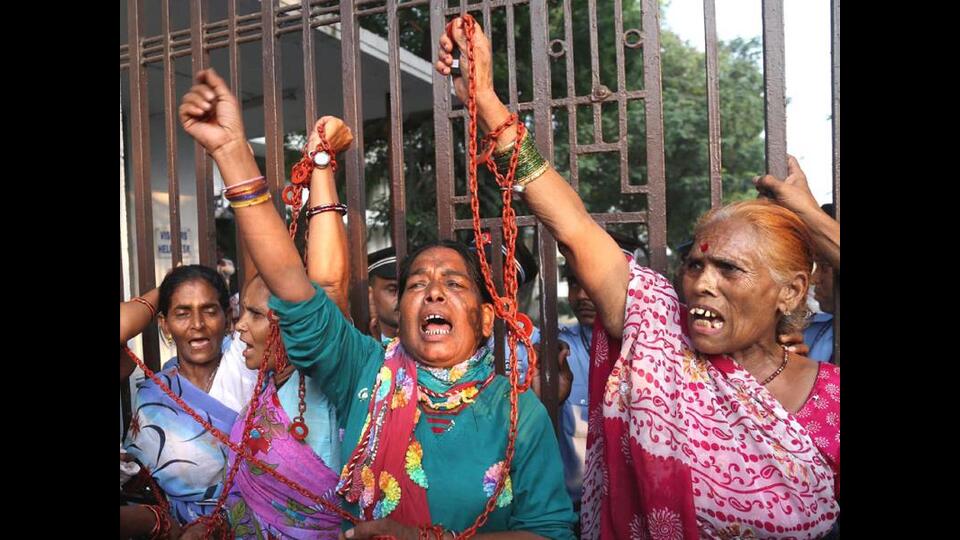
During the hearing of the curative petition — the last legal recourse available in the SC — three factors weighed against the Centre’s argument. First, the petition was filed more than two decades after the original award of compensation was finalised. When the $470 million settlement amount was negotiated in a settlement in 1989, the Centre’s highest law officer signed off on the agreement, effectively closing the issue before the top court. Dow’s acquisition of Union Carbide happened well after this. The second was the failure of the Centre to file any review petition after the original decision in 1989. The government argued that an enhancement of damages was needed because the compensation decided was on the basis of a preliminary assessment of 3,000 deaths, 20,000 major injuries and 50,000 minor ones, which had risen to 5,295, 35,000 and 527,000, respectively. But the SC found no foundation in any legal principle for such an enhancement. The Centre’s arguments were weakened by past admissions that the settlement amount was not just sufficient but in surplus of the compensation required to be paid to claimants. The third was the lack of an insurance scheme for the victims as mandated by the court in 1991, which further damaged the Union’s case, and prompted the SC to reproach the Centre for negligence.
Since that night of December 3, 1984, when 40 tonnes of toxic gas spewed out of the Union Carbide factory and choked thousands of residents, the case has been shrouded in a miasma of institutional neglect and administrative missteps. The dismissal of the petition brings the curtain down on the legal proceedings. But for those affected by the tragedy, it is yet another reminder of what went wrong and what could have been done but wasn’t.


