E-Paper



Number Theory: Four things to watch out for in today’s budget
Any significant increase in transfers to select states is bound to eat into the fiscal room available to the central government for other things.

 Prefer HTon Google


The National Democratic Alliance (NDA) government will present its budget in a very different political scenario than it has been used to in the last ten years. The Bhartiya Janata Party (BJP) does not have a parliamentary majority of its own in the Lok Sabha and it is critically dependent on the support of regional parties such as the Janata Dal (United), Telugu Desam Party, and the Shiv Sena from Bihar, Andhra Pradesh, and Maharashtra respectively. The Budget will also have to cater to the political necessities of forthcoming elections in Maharashtra, Haryana and Jharkhand later this year. While the Economic Survey presented yesterday has restricted itself to flagging medium term challenges for the Indian economy, the Budget will have to be politically more hands on. Here are four things to watch for in today’s Budget.
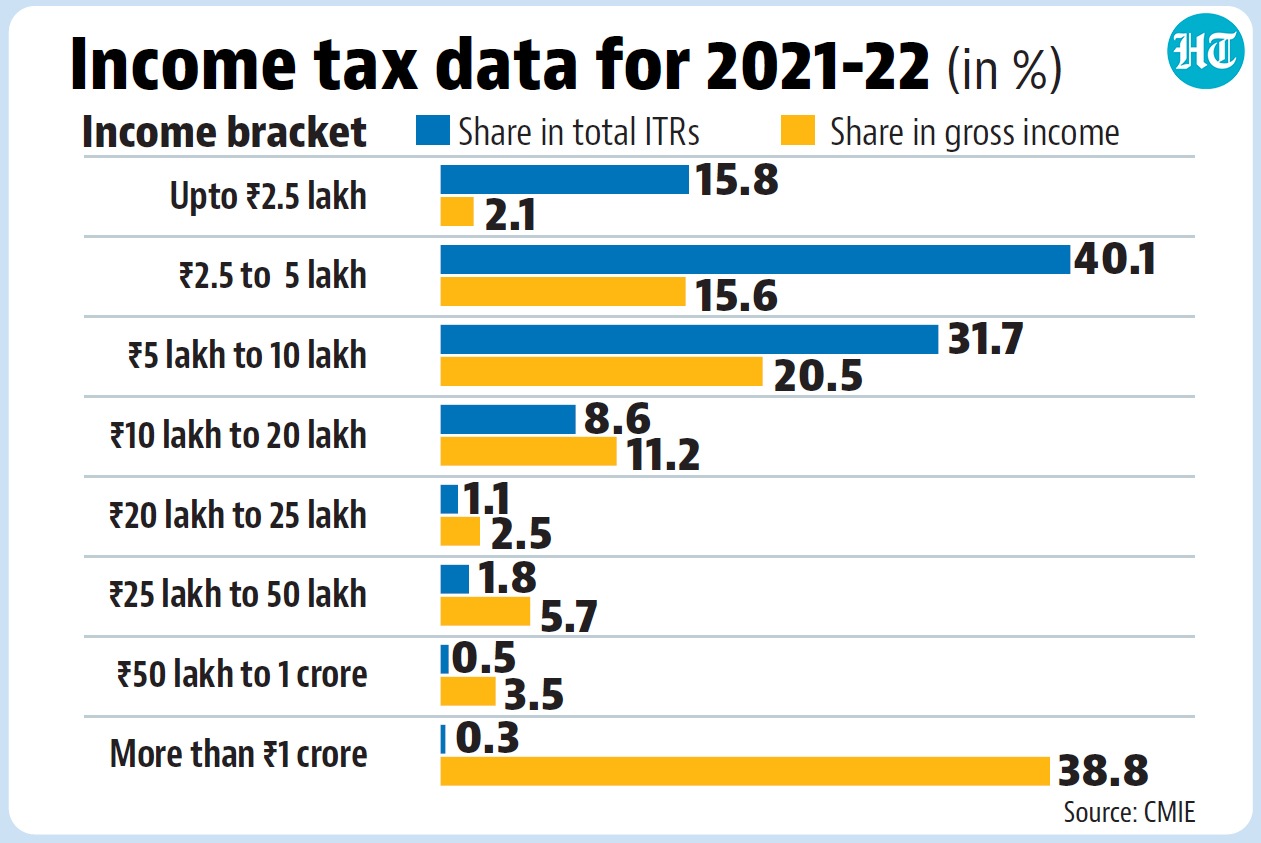
 Will the budget offer something to the middle class?The urban middle classes have been known to be the BJP’s most loyal support base. While they are expected to have benefitted from the growth in formal sector of the economy and emerging trends such as growth in white-collar job creating engines such as Global Capability Centers, fiscal policy per se has given very little to them to in recent past. Among the most important expectations of the salary earning middle class crowd is income tax relief. Will the budget offer some relaxation to this cohort by raising deduction limit or bringing down income tax rates? An HT analysis of 2021-22 income tax return data – they are the latest available figures – shows that some relief to the tax payers in the lower income brackets might not even lead to a large loss in revenue for the government, as they have a very small share in total taxable income.
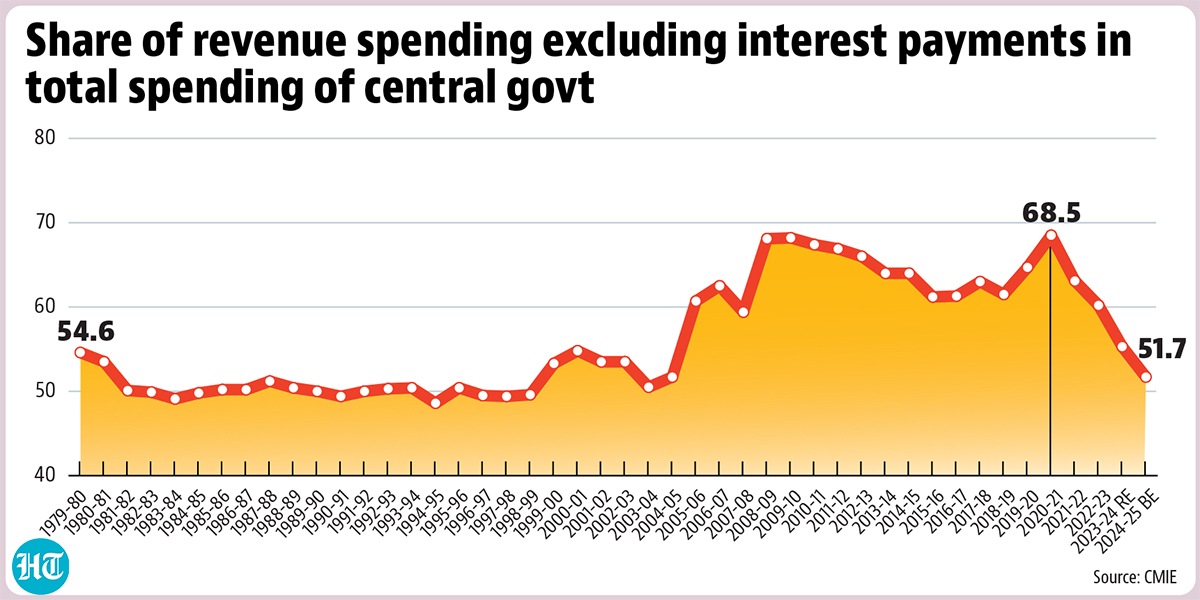
- Will it boost welfare and rural spending?This is where the interim budget presented in February 2024 was extremely counter-intuitive. The government did not announce any major increase in its flagship schemes such as PM-KISAN and announced a sharp reduction in revenue spending excluding interest payments in real terms. The 2024 interim budget was thus very different from the 2019 one. Does the government think that the fiscal conservatism cost it political capital in the elections? Will it make amends to this strategy in the run-up to crucial state elections later this year? Will it boost spending in key welfare schemes or introduce some new scheme altogether? Doing this will entail an increase in the share of revenue spending compared to the interim budget presented in February. The budget will give an insight into the government’s thinking on these issues.
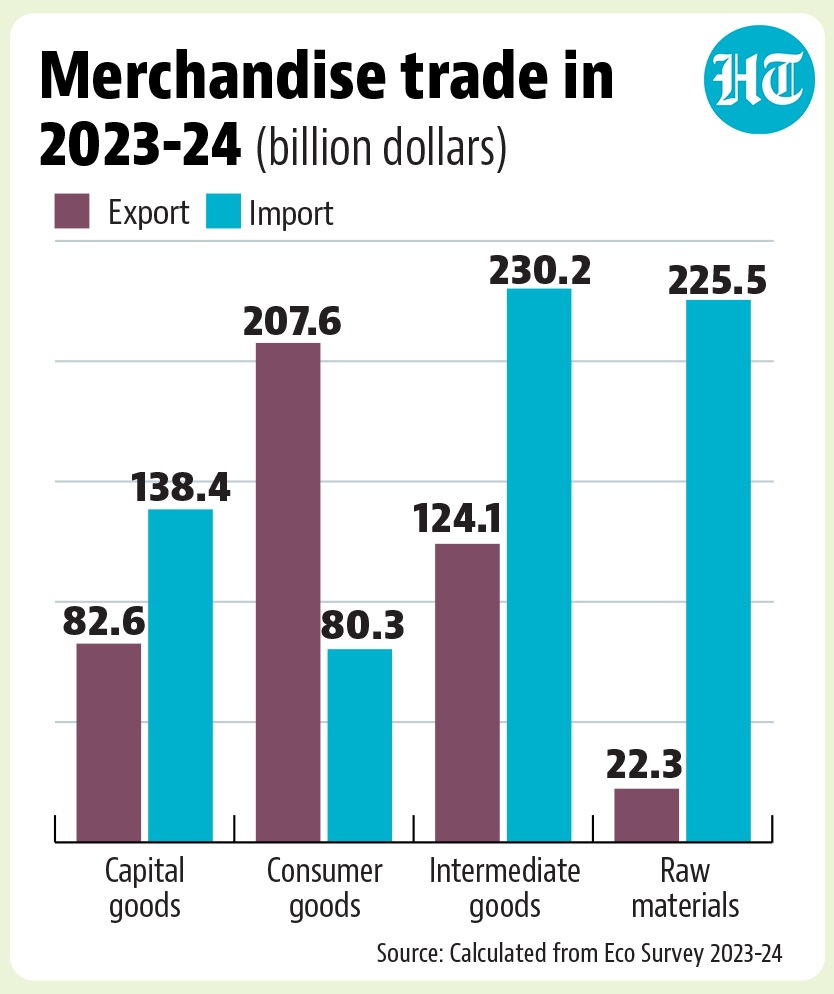
- Will it engage with the criticism of correcting India’s inverted duty structure?Giving a big boost to manufacturing has been this government’s big priority and rightly so. While it has launched the Make in India campaign and Production Linked Incentive (PLI) schemes to boost manufacturing, a consistent criticism of the government’s policies has been its reluctance to correct the inverted duty structure (IDS) on tariffs. IDS refers to a tariff regime where duties on intermediate products are higher than that on finished products which eats into the competitiveness of manufacturers trying to manufacture things at home and export them outside. To be sure, the government claims to have taken steps to correct this problem and that its characterization has to be done on a case-by-case basis rather than some generic measure. Also, any big movement towards correcting IDS in tariffs involves a leap of faith because it works on the assumption that a rise in trade deficit in intermediate goods will lead to an increase in India’s trade surplus in consumer goods.
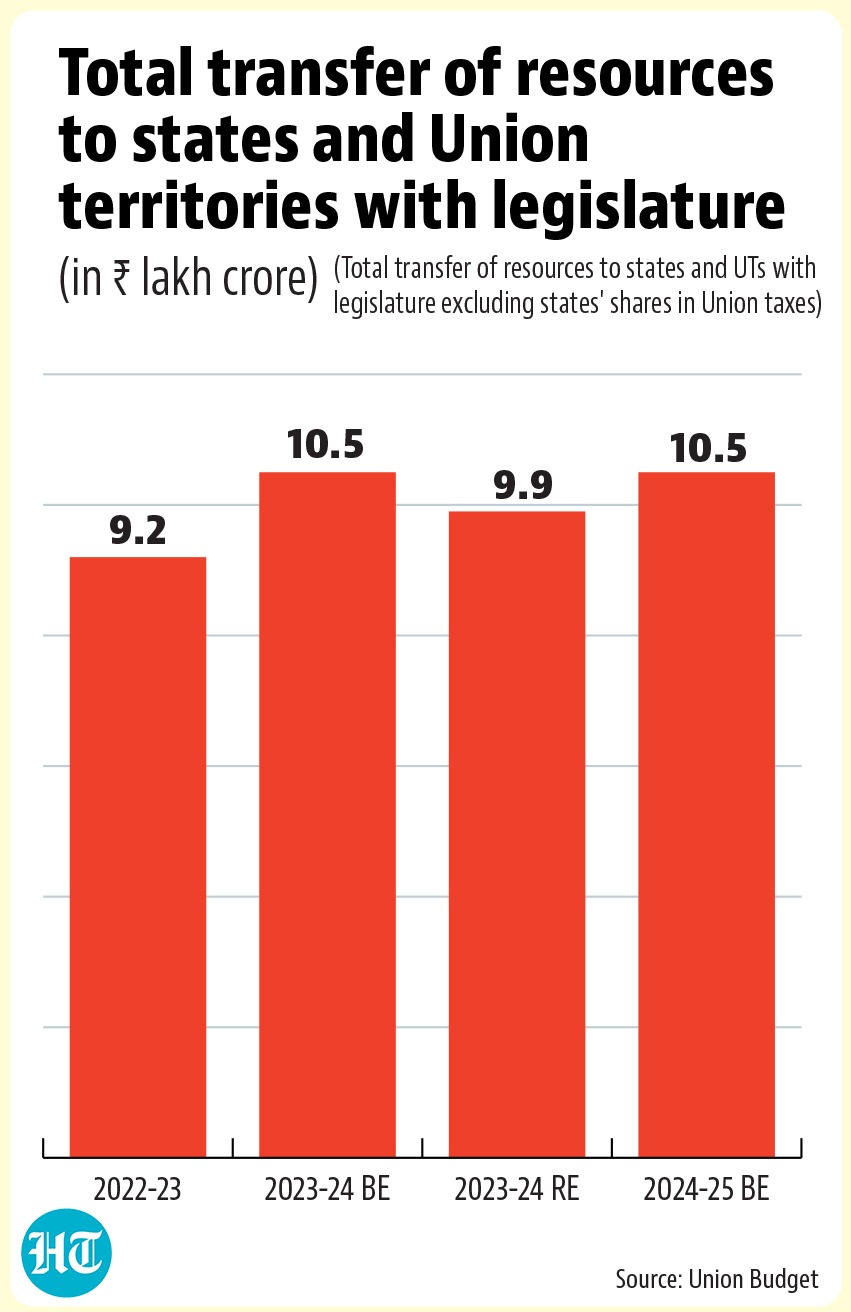
- Will it give fiscal concessions to states ruled by key allies?This will be the most interesting thing to watch out for in this year’s budget. Both the TDP and JD(U) have been mounting pressure for special treatment to Andhra Pradesh and Bihar. With India moving away from the practice of five-year plans and with tax devolution to states being fixed under the finance commission awards, the only route for more fiscal resources to states is via transfers to states over and above their net proceeds in central taxes. Any significant increase in transfers to select states is bound to eat into the fiscal room available to the central government for other things and could also result in similar demands from other states.