
 E-Paper



Number Theory: How much of the world does the US fund?
.
Published on: Jan 20, 2025, 08:45:03 IST

 Prefer HTon Google
Share via


Copy link

The first part of this two-data journalism series looked at the extent of US contributions to the global multilateral order, and the potential consequences of reduced support by the second Donald Trump administration. This second part will examine the amount of foreign aid that it gives directly to countries. Which countries get the most aid from the US? How does the US compare to other high-income countries when it comes to giving foreign aid? And how has US public opinion changed on foreign aid over the years? The charts below explore these in detail.
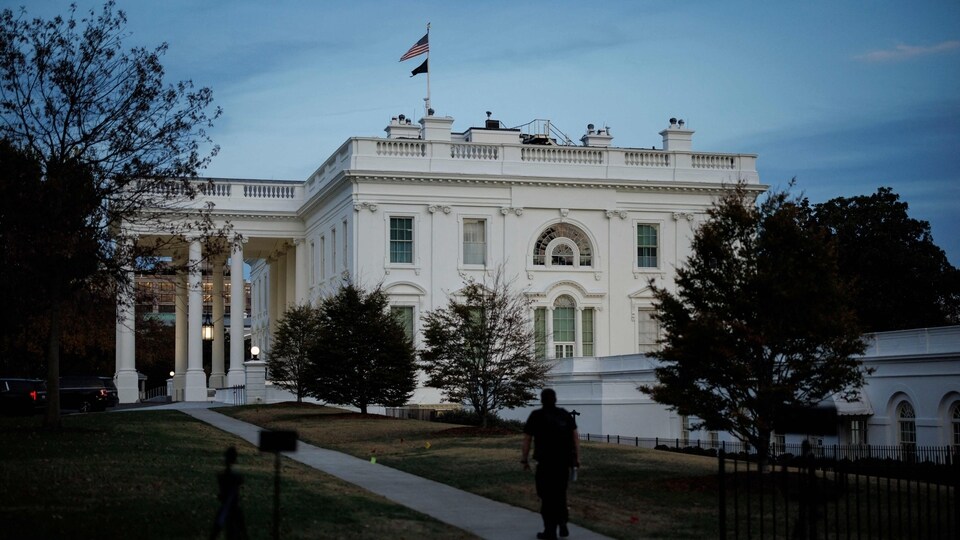
How much of the world does the US fund?
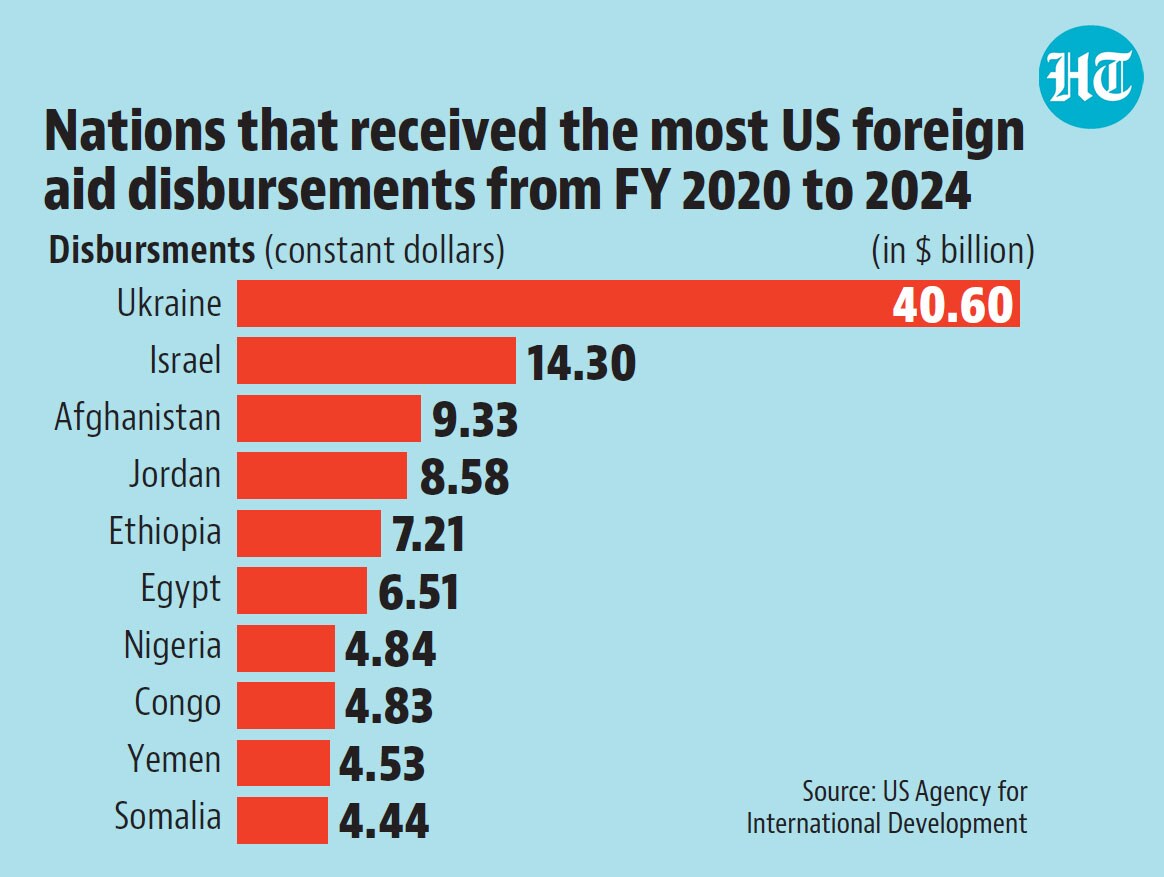
 How much foreign aid does the US give directly to countries?According to the US Agency for International Development, from the fiscal year 2020 to 2024, the US disbursed as much $297.67 billion in constant terms (inflation adjusted) as foreign aid to other countries. The largest chunk of this, $40.6 billion, went to Ukraine, as it fights off an invasion by Russia. Israel received the second-highest amount during this time at $14.3 billion. Trump has repeatedly criticised US aid to Ukraine since the beginning of the Russian invasion, and has during his campaign rallies threatened to cut off funding to the embattled country. To be sure, historically, Afghanistan—which had been the theatre for a protracted US military campaign for as much as 20 years—has received the highest foreign aid disbursements i.e. $146.47 billion since 1946, followed by Israel, which has received $91.2 billion in nearly 8 decades.
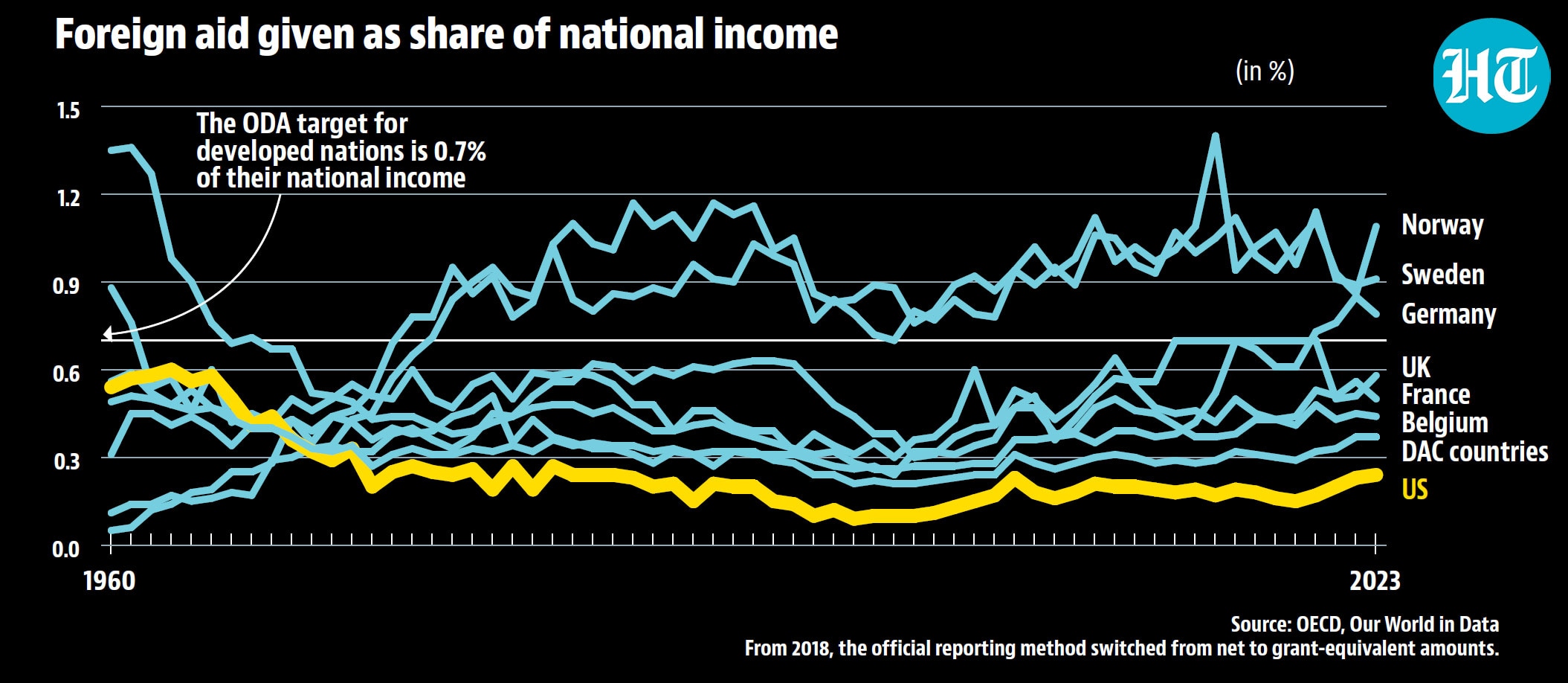
- Does the US give its fair share in foreign aid?The answer to this is both yes and no. The US gives more foreign aid than any other country across the globe in absolute value, but it is ranked considerably lower when this is calculated as a share of its national income. In 1970, the UN General Assembly passed a resolution calling on economically advanced countries to give a minimum net amount of 0.7% of their national income as foreign aid or official development assistance (ODA) annually. This target has been repeatedly re-endorsed by most of the development assistance committee (DAC), which acts under the auspices of the Organisation for Economic Co-operation and Development (OECD), and contains 24 high-income countries that are bilateral aid donors. However, the US, despite being a part of the DAC, has refused to subscribe to the 0.7% target. In fact, the country’s ODA as a share of its gross national income has consistently remained below the 0.7% target, averaging at 0.2% since 1960. This is lower than most other high-income countries.
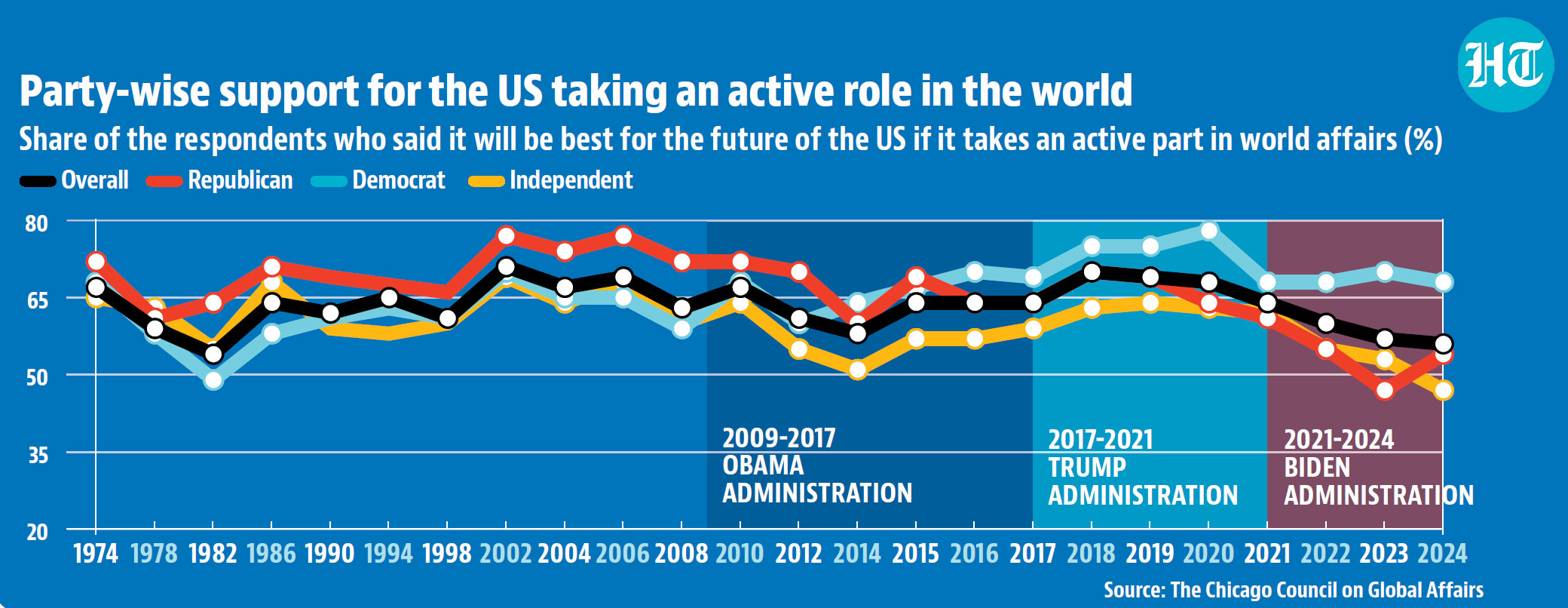
- How much does the US public support foreign aid and the country’s involvement in world affairs?While “foreign aid” is divisive, with some citizens preferring funds be spent on domestic issues, Americans generally support global engagement. Polls show strong bipartisan backing for humanitarian aid, health, education, and economic development in poorer countries until recent years. According to the Chicago Council on Global Affairs, Republicans were historically more supportive than Democrats of US global engagement. However, since 2016, support has flipped, with Democrats becoming more supportive and Republicans less so, coinciding with Trump’s “America First” policies. This partisan divide has only grown in recent years; the extent of Democratic leaning population supporting global engagement increased so much that it pulled the overall number to a record high from 2018 to 2020. Since 2021, President Joe Biden has pursued a more active foreign policy, strengthening international ties. However, his term has faced challenges, including Russia’s invasion of Ukraine, renewed conflict between Israel and Hamas, post-Covid inflation, and supply chain disruptions. “These combined factors have taken a toll on everyday Americans’ backing an active US role in world affairs (56%, a near-record low) and their willingness to assist other countries. Many think US leaders should direct their resources to dealing with domestic challenges instead of international ones,” said the 2024 American Public Opinion and US Foreign Policy report by Chicago Council on Global Affairs. How much the US withdraws from the world under Trump’s second term remains to be seen.


Unlock a world of Benefits with HT! From insightful newsletters to real-time news alerts and a personalized news feed – it's all here, just a click away! -Login Now!


