
 E-Paper



Is creatine worth it? Nutritionist Shikha Singh suggests the best way to use and the dosage before starting supplements
Discover the benefits, recommended dosages, and safety of creatine supplements for athletes and fitness enthusiasts, promoting muscle growth and overall health.

 Prefer HTon Google


Our Picks
Our Picks
| Product | Rating | Price |
|---|---|---|
Näck Micronised Creatine Monohydrate | 100% Pure | 83 Servings, Unflavoured| International Informed Choice Certified| Boosts Strength, Energy, Recovery| Rapid Absorption| Zero Sugar & Calories| 250gmsView Details  | ₹1,055 | |
 | ||
GREEN PROTEIN Ultimate Plant Protein Isolate Powder 25gm Protein, 5g BCAA Per Serving, No Added Sugar | Fortified with 17 Vitamins & Minerals | Chocolate Flavor (1kg)View Details | ₹3,449 | |
| ||
GREEN PROTEIN Ultimate Plant Protein Isolate Powder 25gm Protein, 5g BCAA Per Serving, No Added Sugar | Fortified with 17 Vitamins & Minerals | Vanilla Flavor (1kg)View Details | ₹3,423 | |
| ||
Wellcore Pure Micronised Creatine Powder (33 Servings, Unflavoured)View Details | ₹539 | |
| ||
Ace Blend Micronised Creatine Powder 100 Servings | Tart Cherry Extract | Creatine Monohydrate | 325g with Ace Blend Blender 650mlView Details | ₹1,228.16 | |
| ||

Research-Backed Choices
Every product we recommend is chosen through a combination of Primary Research and Secondary Research.
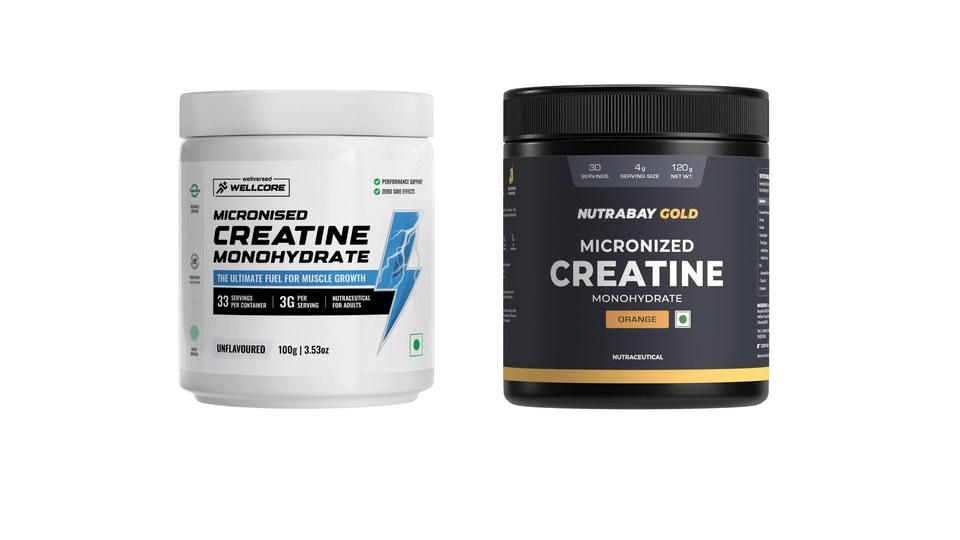

Creatine is a natural energy source that helps your muscles contract. It provides a steady supply of energy, allowing your muscles to keep working, especially during exercise. Many athletes, sports fans, and gym-goers take creatine supplements to increase strength and enhance performance. However, it may also benefit other groups of people.
About half of the creatine your body needs (1 to 2 grams per day) comes from food, mainly protein-rich options like red meat, seafood, and dairy products. Your body makes the other half naturally in the liver, kidneys, and pancreas. “These organs send about 95 per cent of the creatine to your muscles to use during exercise, while the rest goes to your heart, brain, and other tissues”, nutritionist Shikha Singh tells Health Shots. Creatine supplements can offer many benefits, but there are also some risks to consider when taking them.
What is creatine?
Creatine is a natural substance found in our muscles. According to the Journal of the International Society of Sports Nutrition, 95 per cent of creatine is stored in muscles as phosphocreatine. When phosphocreatine levels increase, our cells have more energy. This is the main role of creatine, as stated in a study published in Sports Health. “It gives our body the energy needed for quick movements and supports muscle function. Many athletes and fitness enthusiasts use creatine supplements to improve sports performance, build muscle strength, or increase overall power. You can find creatine in red meat and seafood,” says Singh.
Health benefits of creatine
Here are some benefits of creatine:
1. Supports the muscles
Creatine can be helpful for our muscles in several ways. It can promote muscle growth, as shown in a study published in Nutrients. Creatine also helps repair muscles and reduce muscle breakdown. Additionally, it increases hydration in cells through a process called cell volumization, which may support muscle growth. This is reported in a study published in the International Journal of Sports Nutrition and Exercise Metabolism.
2. It helps improve strength and performance
Creatine can help you build muscle strength and endurance, according to a study in Nutrients. A study in Medicine and Science in Sports and Exercise found that creatine gives cyclists more energy during their final sprint. The Journal of Science and Medicine in Sports published a study showing that creatine also improves jumping and sprinting.
3. Supports brain health
Diseases like Alzheimer’s and Parkinson’s can be treated with creatine supplements. A study published in Springer also reports that creatine can help with ALS. It is beneficial for treating epilepsy and traumatic brain injuries too. Additionally, it may improve short-term memory, according to a study by the National Institutes of Health.
4. Health and development
Creatine is beneficial for heart health. It improves and supports how the heart works. It can also help people recover after a stroke, according to a study published in Amino Acids. Additionally, creatine supports liver health and helps regulate blood sugar levels.
How can you get creatine?
Creatine supplements come in various forms, such as powders, tablets, capsules, liquids, and energy bars. The most popular and well-researched type is Creatine Monohydrate. It is safe and easy to find. A study published in Ophthalmology shows that taking Monohydrate for two to five years is safe and has no side effects.
You can mix creatine with water, juice, or smoothies. No matter which drink you choose, try to spread your creatine intake throughout the day. Staying hydrated is important when taking creatine, as it helps your body absorb it better. You can also find creatine in capsules and gummy bears.
What's the best way to take creatine?
When you use creatine, you should split your intake into different stages. There are three stages: the loading stage, the transition stage, and the maintenance stage.
- The loading phase lasts 5 to 7 days. During this time, people take about 20 grams of creatine each day. This helps increase the amount of creatine stored in their muscles.
- During the transition phase, take 3 to 5 grams of creatine each day.
- After the initial phase, you will enter a maintenance phase. During this phase, you will take a lower dose of about 3-5 grams per day to keep your creatine levels high.
How much creatine can you take every day?
The dosage you need depends on the phase you are currently in. Since everyone’s needs can be different, it’s important to talk to a healthcare professional for personalised dosage advice based on what your body requires.
What to know before starting creatine supplements?
Before you start taking creatine supplements, keep a few important points in mind.
- First, talk to your doctor. Check if taking creatine is safe for you. Let your doctor know about any health conditions you have.
- It is important to know the right dosage that fits your needs.
- Drink plenty of water while taking this supplement. It might also cause your muscles to hold onto extra water.
- Creatine supplements work best when you also eat a healthy diet and exercise regularly.
What are the risks of creatine?
Here are the side effects of taking creatine:
- Digestive issues: Starting creatine may cause mild bloating, stomach cramps, or diarrhoea. These symptoms are usually not severe, and pushing through them might help.
- Dehydration: Creatine helps your muscles absorb more water, so it’s important to stay well-hydrated.
- Strain on the kidneys and liver: Creatine can sometimes cause strain on your kidneys and liver, but this is rare. If you already have a kidney or liver problem, you should avoid it.
- Weight gain: Creatine can lead to a small increase in water weight because it helps your muscles store more water. This is not the same as gaining fat, but you might see a change on the scale.
- Muscle cramps: Some people may experience muscle cramps, especially if they are not well hydrated. While this is not common, it can happen.
FAQs
Is it safe to take creatine?
It is safe for healthy adults to use creatine, but you need to use it correctly. Always talk to a doctor before starting creatine, as it can interact with some medications. Staying hydrated is also very important while taking it.
Do's and don'ts while taking creatine?
People with certain health problems, especially kidney disease, should not take creatine supplements without talking to a doctor first. Pregnant or breastfeeding individuals should also avoid creatine.
Why do doctors say no to creatine?
Using creatine on the skin is not common since people usually take it as an oral supplement. However, some skincare products do contain creatine because it is said to help with skin health. Dermatologist Dr Priyanka Kuri explains that creatine may help hydrate the skin and improve its elasticity and firmness.
(Disclaimer: At Hindustan Times, we help you stay up to date with the latest trends and products. Hindustan Times has an affiliate partnership, so we may get a part of the revenue when you make a purchase. We shall not be liable for any claim under applicable laws, including, but not limited to, the Consumer Protection Act, 2019, arising from the products. The products listed in this article are in no particular order of priority, and the brands have not been directly suggested by the expert mentioned.
This article is for informational purposes only and is not a substitute for professional medical advice. Always seek the advice of your doctor with any questions about a medical condition.)

Catch your daily dose of Fashion, Taylor Swift, Health, Festivals, Travel, Relationship, Recipe and all the other Latest Lifestyle News on Hindustan Times Website and APPs.


